
NineFive95 Expands Distressed Multifamily Strategy Across Midwest and Sun Belt
NineFive95 says it plans to pursue more lender-directed and troubled apartment assets across the Midwest and Sun Belt after building a portfolio it values above $100 million.
Our editorial standards
MarketReview publishes clear, independently produced financial information using reliable sources and transparent editorial standards.
Read our Editorial Policy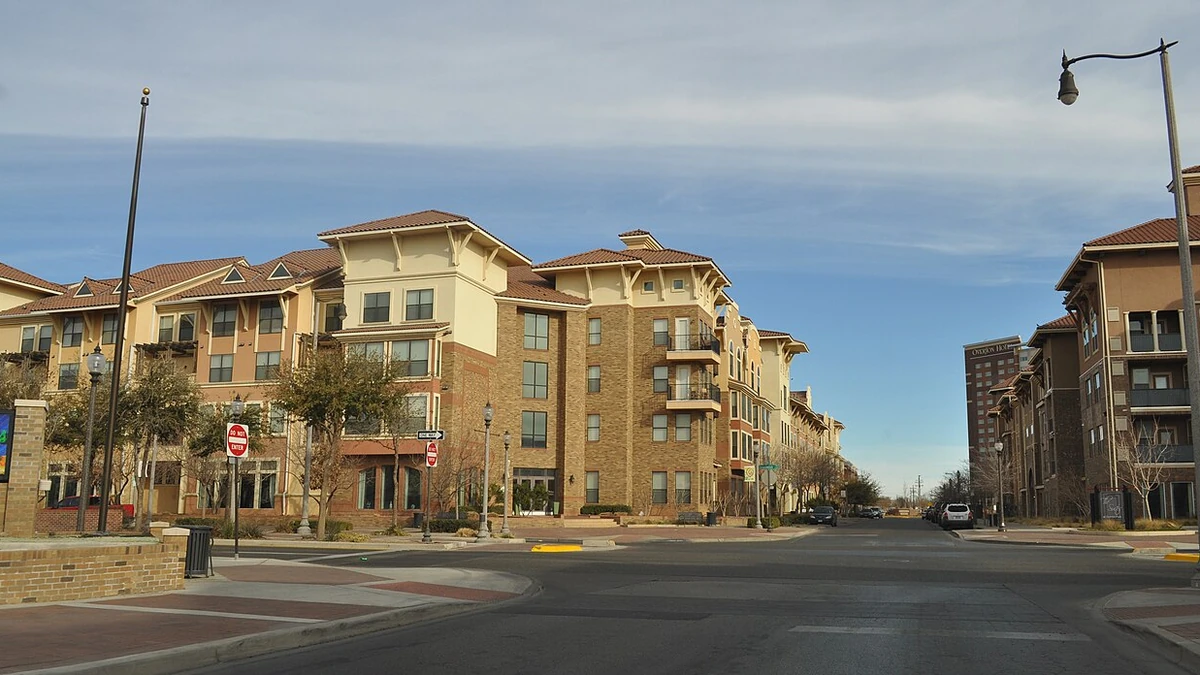
NineFive95 Holdings said Sunday that it is expanding its distressed multifamily acquisition strategy across the Midwest and Sun Belt, targeting lender-directed sales, foreclosure-stage properties and apartment communities with operating problems. The Kansas City-based firm said it now controls more than $100 million of multifamily real estate across 14 properties and more than 1,500 units, supported by roughly 50 team members.
The Sept. 27 announcement is primarily a statement of acquisition strategy rather than a new property purchase. NineFive95 did not name a newly signed acquisition, disclose fresh committed capital or provide a timetable for the expansion. Its portfolio value, property count and staffing figures were supplied by the company, and the release did not include a property-by-property valuation schedule that would allow those figures to be independently checked.
NineFive95 says lender-directed deals will drive its next phase
NineFive95 said it is focusing on apartment properties that have become difficult to finance, sell or operate because of problems such as foreclosure, non-performing debt, deferred maintenance or weak occupancy. Its underwriting process, according to the company, looks at acquisition basis, debt structure, collections, needed capital spending and downside scenarios before a property moves into renovation, leasing and stabilization.
Principal Amogh “Mo” Karney framed the strategy around buying only when the price and operating plan can absorb the risks attached to a troubled asset. “Distress alone does not make something a good deal,” he said in the announcement. The firm is presenting itself as a buyer that can take on properties requiring both capital and hands-on operating work after closing.
As examples, NineFive95 cited a 236-unit acquisition in Lubbock, Texas, from Benefit Street Partners and a 108-unit Dallas-Fort Worth property purchased directly from a regional bank. The company said the Dallas-Fort Worth property was acquired at a price about 30% below the bank’s loan amount, but it did not identify the lender, disclose the purchase price or provide enough detail for that discount to be independently verified.
The firm also set out a longer-term goal of reaching $1 billion in assets under management. No deadline was attached to that target, and the release did not specify how much equity or debt NineFive95 expects to deploy to get there. For readers assessing the expansion, that makes the near-term acquisition pipeline more concrete than the $1 billion objective.
The Lubbock acquisition shows both the opportunity and the verification limits
The Lubbock property is the clearest operating example in NineFive95’s announcement. The company said occupancy at one distressed Lubbock asset was about 57% when it took over and later rose above 85% as the property was repositioned. NineFive95 attributed the improvement to work on maintenance, unit readiness, leasing and collections.
ApartmentBuildings.com reported in December 2025 that the 236-unit Birchwood Apartments in Lubbock was acquired from a lender-controlled seller after foreclosure, and identified Birchwood Holdings 6402 LLC as the buyer. That reporting placed occupancy in the mid-70% range around the time of the sale. NineFive95’s release did not explain whether its 57% figure referred to a different measurement date, a different Lubbock asset or a different occupancy definition, so the two figures should not be treated as directly comparable.
That distinction matters because distressed multifamily returns often depend on what can actually be changed after a purchase. A lower acquisition basis can create room for repairs and leasing costs, but weak collections, prolonged vacancies or a larger-than-expected renovation budget can erode that advantage. NineFive95 says its model is designed around property-level execution rather than relying only on buying at a discount.
Multifamily credit is easier at the margin but still relatively tight
The broader financing backdrop helps explain why lender-directed apartment sales remain a target. In its July 2026 Senior Loan Officer Opinion Survey, the Federal Reserve said a modest net share of banks had eased standards for multifamily loans during the second quarter. Even so, a moderate net share said their multifamily lending standards were still at the tighter end of the range seen since 2005.
That mix can produce a selective market rather than a broad credit freeze. Some borrowers can refinance or obtain new debt, while properties with weaker cash flow, high leverage or significant capital needs may have fewer options. The Federal Reserve has also continued to flag commercial real estate refinancing as an area of supervisory attention, particularly for banks with concentrations in office and multifamily lending.
Fannie Mae’s second-quarter multifamily results point to the same uneven environment. Its serious delinquency rate declined to 0.60% at June 30 from 0.78% three months earlier, but its provision for multifamily credit losses rose to $259 million. Fannie Mae said weaker property valuations, slower net operating income growth and loans becoming seriously delinquent were among the drivers of that provision.
For a buyer such as NineFive95, those conditions can create opportunities without making every distressed property attractive. The company’s thesis depends on acquiring at a basis that leaves enough room for repairs, lease-up costs and financing risk, then improving the property quickly enough to support stabilization or refinancing. The announcement did not disclose return targets, leverage limits or minimum debt-service coverage thresholds, so investors cannot yet compare the stated strategy against a published acquisition discipline.
Karney’s securities-industry record is relevant context
NineFive95’s release describes Karney’s earlier career in insurance and high-net-worth financial advisory as part of the background that shaped his approach to risk and capital. Public regulatory records add material context to that description. A 2021 Securities and Exchange Commission order says Karney had been associated with a registered broker-dealer and investment adviser from 2016 to 2019 and records a 2020 Nebraska Department of Banking and Finance cease-and-desist order finding that he violated a state antifraud statute.
According to the SEC order, the Nebraska regulator found that Karney made untrue statements of material fact to an investor in connection with a $75,000 securities offering by ARK Capital LLC. The SEC barred him from association with brokers, dealers, investment advisers and several other regulated securities-industry roles, and also barred him from participating in penny-stock offerings. Karney settled the SEC proceeding without admitting or denying most of the Commission’s findings, while admitting the Commission’s jurisdiction and the existence of the Nebraska order as described in the SEC document.
FINRA’s barred-individuals list, updated through July 31, 2026, also includes Amogh Karney under CRD 6649401. The NineFive95 announcement did not mention the SEC or FINRA actions. Those records concern securities-industry activity and do not, by themselves, establish that NineFive95’s current real estate acquisitions violate any law or regulation.
NineFive95 said it intends to keep pursuing lender-directed and operationally distressed apartment properties across the Midwest and Sun Belt while expanding its asset-management and property-level systems. The announcement did not identify the next acquisition, the amount of capital available for purchases or a closing calendar, leaving future completed deals as the clearest measure of how quickly the strategy is expanding.
More from Investing


Latest News
View all news- UK Backs £43 Million Cornwall Lithium Project With Nearly £10 Million Support
- Adobe’s David Wadhwani Steps Down as Creativity & Productivity President
- DOE Order Keeping Colorado’s Craig Coal Unit Available Takes Effect
- Dutch Anti-Greenwashing Rules Take Effect for Consumer-Facing Businesses
- Qatar Financial Centre, U.S. Chamber Sign Cross-Border Investment MoU
