DOE Order Keeping Colorado’s Craig Coal Unit Available Takes Effect
A new 90-day federal emergency order takes effect Sept. 27, requiring Craig Unit 1 to remain available through Dec. 25 while limiting dispatch to hours needed to address the emergency.
Our editorial standards
MarketReview publishes clear, independently produced financial information using reliable sources and transparent editorial standards.
Read our Editorial Policy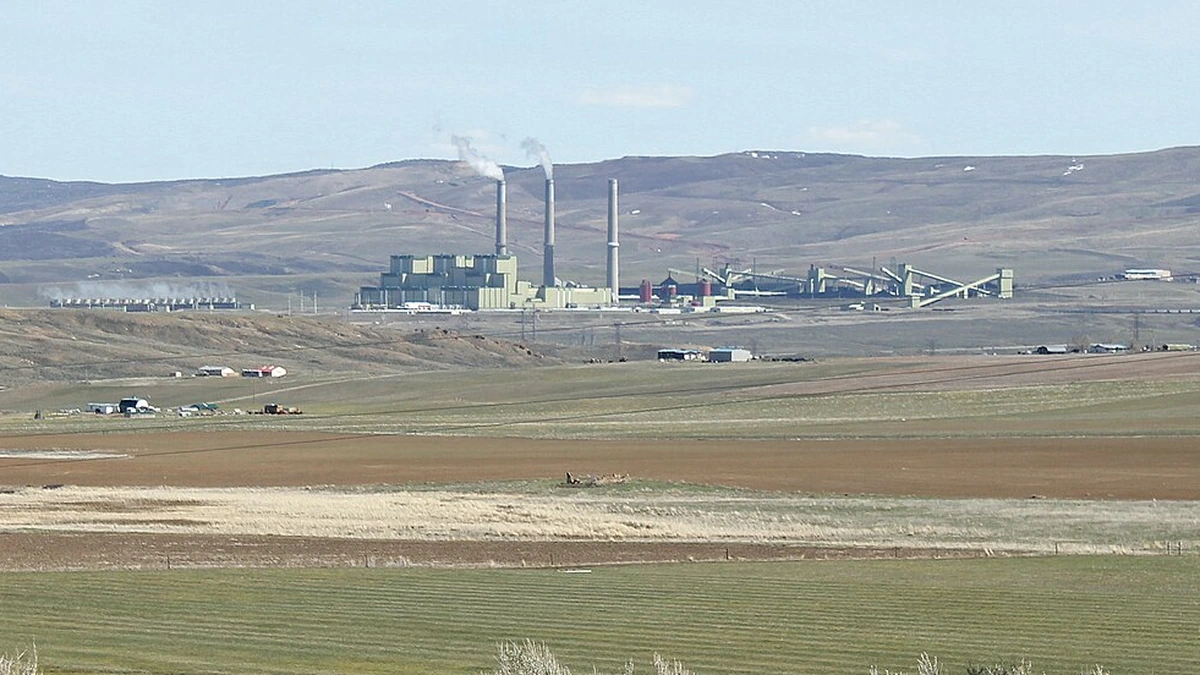
A U.S. Department of Energy emergency order requiring Colorado’s Craig Station Unit 1 to remain available for operation takes effect Sunday, extending federal intervention that has kept the coal-fired unit from completing its planned retirement.
The order runs from Sept. 27 through Dec. 25 and immediately follows a previous 90-day directive that expired Sept. 26. It does not require Craig Unit 1 to generate electricity continuously. Southwest Power Pool is directed to use economic dispatch and call on the unit only during hours necessary to meet the emergency identified by DOE, while seeking to minimize costs to ratepayers.
The new order extends a chain of federal directives
DOE Order No. 202-26-49, issued Sept. 25 under Section 202(c) of the Federal Power Act, applies to Tri-State Generation and Transmission Association, Southwest Power Pool and the utilities that co-own Craig Units 1 and 2: Platte River Power Authority, Salt River Project, PacifiCorp and Public Service Company of Colorado. Tri-State operates the station.
Energy Secretary Chris Wright determined that an emergency continues in the Western Electricity Coordinating Council’s Rocky Mountain region because of increasing electricity demand, shortages of generation or transmission facilities, and other causes. The order cites planned retirements of dispatchable generation, growing demand, an aging thermal fleet and recent operating stress in SPP West as factors supporting the determination.
DOE also pointed to Craig Unit 1’s actual output earlier this year. Using Energy Information Administration data, the order says the unit generated 56,782 megawatt-hours from January through June 2026, an average of 9,463.6 MWh a month. It also cites three SPP West Energy Emergency Alerts during July and August as evidence of operating pressure during the summer.
The reliability picture described in the order is not uniformly dire. DOE notes that the North American Electric Reliability Corporation’s 2025 long-term assessment classified the WECC Rocky Mountain region as being at normal risk of energy shortfalls over the next five years. The same assessment, according to the order, showed reserve margins falling below the reference level in later years and identified challenges from aging thermal generation, supply chains and variable wind and solar output. DOE concluded that those factors, together with load growth and recent operating events, justified another Section 202(c) order.
This is the fourth federal directive since Craig Unit 1’s planned retirement date. DOE first ordered the unit kept available on Dec. 30, 2025, then issued further 90-day orders on March 30 and June 26. The latest directive continues availability without a gap after the June order ended.
Keeping the unit available does not mean running it around the clock
The operational language is important because the order distinguishes availability from continuous generation. SPP must take steps to economically dispatch Craig Unit 1 only when needed to meet the emergency and to minimize costs to ratepayers. Tri-State and the co-owners must comply with SPP instructions concerning the unit’s availability and dispatch.
The order also requires SPP and Tri-State, working with the other owners, to notify DOE each day whether Craig Unit 1 operated in compliance with the directive. By Oct. 10, Tri-State and the co-owners must provide information on measures taken or planned to maintain the unit’s operational availability. DOE may request additional information about environmental effects and compliance.
Environmental obligations remain in place. The order says the unit must comply with applicable monitoring, reporting and recordkeeping requirements to the maximum extent feasible under the emergency conditions. It does not excuse fees, emissions allowances, offsets or other obligations that may apply. DOE also says the owners may seek tariff revisions or waivers from the Federal Energy Regulatory Commission as needed and notes that cost recovery is available under Section 202(c).
Craig Station has three coal-fired units in Moffat County. DOE lists Unit 1 at 446.4 megawatts of nameplate capacity, while Tri-State has historically described the unit as 427 MW based on its operating capacity measure. Unit 1 entered service in 1980. Units 2 and 3 are scheduled to retire in 2028.
Tri-State has challenged the orders and warned about added costs
Craig Unit 1 had been scheduled since 2016 to retire by Dec. 31, 2025. Tri-State has said that decision was based on economic considerations and compliance with state and federal requirements, and that its resource planning assumed the unit would no longer be available after 2025.
In January, when the first federal order was being implemented, Tri-State said keeping Unit 1 available would likely require additional spending on operations, repairs, maintenance and potentially fuel. The cooperative did not provide a cost estimate at the time and said it was preparing filings related to cost recovery.
Tri-State and Platte River Power Authority have also sought rehearing of the earlier DOE orders. In their July challenge to the June directive, they disputed DOE’s emergency finding and argued that keeping a more than 45-year-old coal unit available imposed costs and operational burdens that had not been part of their planned resource mix. The State of Colorado and several public-interest groups separately sought rehearing of that June order. DOE said on Aug. 24 that the rehearing requests had been denied by operation of law after 30 days, while leaving open further consideration by the department.
The latest order therefore arrives against two competing records: DOE’s finding that Craig Unit 1 remains useful as a reliability backstop, and the plant owners’ prior position that they had planned for reliability after its retirement and face additional costs when the unit is kept available. The new directive resolves the immediate operating question through Dec. 25 but does not settle those broader disputes.
The next required filing comes Oct. 10, when Tri-State and the co-owners must report to DOE on the steps being taken to keep Craig Unit 1 operationally available. Unless DOE issues another order, the current directive expires Dec. 25, followed by time for an orderly ramp-down consistent with industry practice.
More News


Latest News
View all news- Guardian Pharmacy Converts Final 13.5 Million Reorganization Class B Shares Into Class A Stock
- ExxonMobil’s XTO Energy Redeems $626.5 Million of Senior Notes
- Air Liquide’s $1.25 Billion U.S. Dollar Bond Reaches Maturity
- NineFive95 Expands Distressed Multifamily Strategy Across Midwest and Sun Belt
- Qatar Financial Centre, U.S. Chamber Sign Cross-Border Investment MoU