
FTC Begins $15.8 Million Refund Distribution to 2.1 Million Cleo AI Customers
The PayPal distributions follow a $17 million settlement over the FTC’s allegations about cash advance promises and subscription cancellations. Recipients have 30 days to accept payment.
Our editorial standards
MarketReview publishes clear, independently produced financial information using reliable sources and transparent editorial standards.
Read our Editorial Policy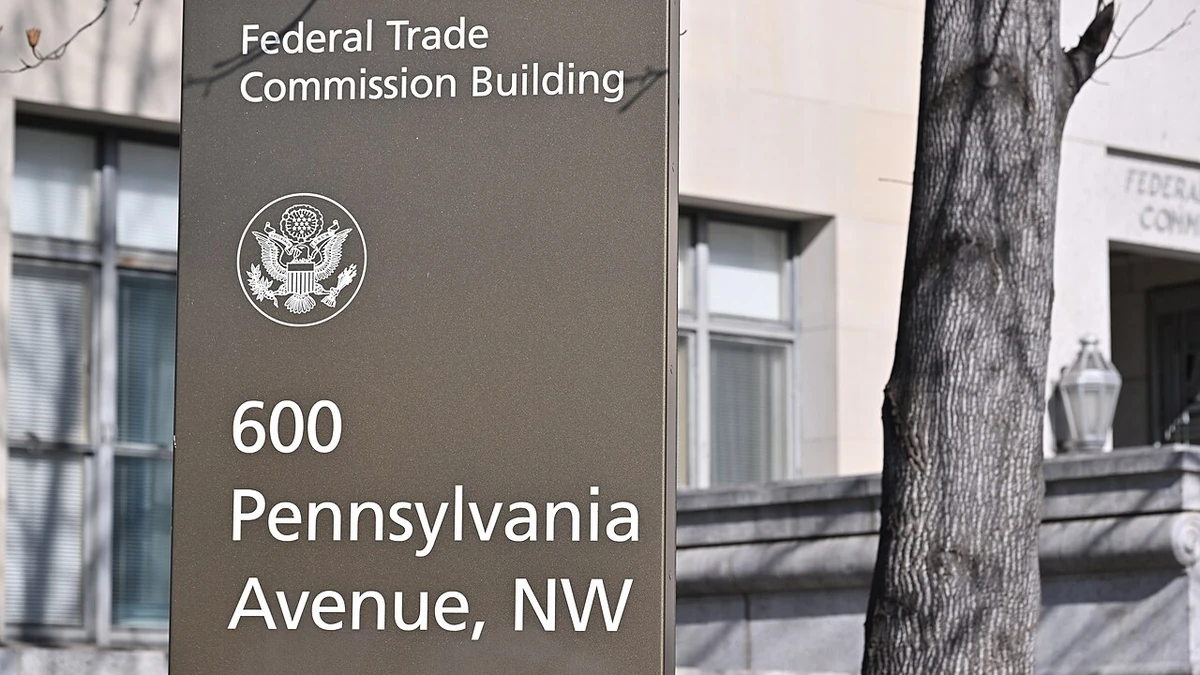
The Federal Trade Commission is scheduled to begin sending more than $15.8 million in refunds to customers of cash advance app Cleo AI on Tuesday, October 27. The distribution covers 2,124,796 PayPal payments, according to the agency, and follows a settlement over allegations that Cleo misled users about the size and speed of advances and made subscriptions difficult to cancel.
The agency announced the payout plan on October 8, with advance notifications to eligible customers running through October 26. The start date marks the beginning of the planned distribution, not confirmation that every eligible customer has already received or accepted a refund. The FTC has not published an individual payment amount for each recipient.
Who qualifies for a Cleo AI refund, and when payments arrive
The refund program is directed at people who paid Cleo AI for eligible instant cash advances. That qualification is narrower than simply having downloaded or used the app. The FTC’s Cleo AI refund page identifies the payment method as PayPal and lists October 27 as the date payments are scheduled to start.
Customers selected for the distribution were to receive a notification email from no-reply@consumersentinel.gov between October 8 and October 26. The agency says recipients should accept their PayPal payment within 30 days. That window matters because the money is being delivered electronically and may require action by the recipient rather than automatically appearing in a bank account.
The FTC has not said in its Cleo-specific guidance that every subscription customer qualifies, nor has it given a uniform dollar amount for refunds. Eligibility is tied to payments for eligible instant advances. A person who used the service but did not receive a notice should not assume a payment has been issued or that they were necessarily excluded without checking with the administrator.
Questions about the distribution can be directed to Rust Consulting, the FTC’s refund administrator for this case, at 1-877-788-4958. Consumers can verify that number and the program’s status by visiting the FTC’s official refunds website directly. The agency does not require an upfront fee, bank-account details or other sensitive information as a condition of receiving a refund.
The $17 million settlement followed complaints about advance claims
The payments stem from a federal case announced in March 2025. Cleo AI agreed to pay $17 million to resolve the FTC’s allegations about its cash advance advertising and subscription practices. The agency filed its complaint and proposed settlement order in the U.S. District Court for the Southern District of New York, making the refund program the consumer-redress phase of an earlier enforcement action rather than a new lawsuit.
At the center of the complaint was a gap between what customers were led to expect and what they could obtain. The FTC said Cleo advertised access to hundreds of dollars in cash advances, although almost no users received amounts approaching those claims. The advertising was particularly consequential for people seeking money to cover immediate expenses, for whom the available amount could determine whether the service met their needs.
Timing was a second part of the case. According to the FTC, Cleo advertised same-day or instant advances, but customers had to pay an additional express fee to obtain faster delivery. The agency alleged that even after paying that fee, some customers did not get their funds until the following day or later. A promise of near-immediate access can be materially different from an advance that arrives after the expense is due.
The complaint also challenged how Cleo handled cancellations. The FTC said consumers reported continuing subscription charges despite repeated requests to cancel, and that some were told an outstanding advance had to be repaid before cancellation could proceed. Those were agency allegations in the enforcement case; they should not be confused with a separate finding about the experience of every Cleo user.
Under the settlement terms described by the FTC, Cleo was to be prohibited from misleading consumers about material terms of advances, including amounts and fees. The proposed order also required clear subscription disclosures, express informed consent before subscription charges and a straightforward cancellation method. The monetary provision established a source of funds for refunds to affected consumers.
What the refund totals do and do not establish
The planned return of more than $15.8 million is smaller than the $17 million settlement amount, but those figures refer to different stages of the case. The settlement announced the monetary obligation; the October 2026 notice specifies the amount being sent in this distribution. The FTC’s Cleo announcement does not provide an itemized reconciliation of the difference, so it should not automatically be attributed to administrative expenses or any particular deduction.
Likewise, the figure of 2,124,796 describes planned PayPal payments, not evidence that all of those transfers have been redeemed. The FTC has not disclosed a Cleo-specific formula for individual refunds. Its general guidance says payment amounts in refund cases depend on the money collected and the losses established, and that distributions are often calculated proportionally. That general practice does not establish how every Cleo payment was calculated.
The use of PayPal also creates a verification concern for consumers accustomed to ignoring unexpected payment messages. The FTC says it sometimes uses PayPal and sends a government-email notice before the payment. Its general guidance recommends typing ftc.gov/refunds into a browser rather than following an unexpected email link. Scammers can imitate government agencies or payment services, and the FTC says it will never charge a fee to release refund money.
A refund does not require the recipient to surrender whatever legal rights they may have under federal or state law, according to the agency’s general refund FAQ. It also notes that an additional round of payments is possible in some cases if funds remain, but the FTC has not announced a second Cleo distribution. Consumers should rely on the current Cleo case page or the administrator for case-specific updates, rather than assuming further payments will follow.
For recipients, the immediate deadline is the 30-day period to accept a PayPal refund once it is received. Anyone uncertain about an email or payment can independently check the FTC’s Cleo refund listing and contact Rust Consulting using the number posted there. That confirmation is particularly important because the agency’s official notification period ended the day before the scheduled start of payments.
More News



Latest News
View all news- U.S. Consumer Confidence Rebounds to 91.7 in October After Four Monthly Declines
- UPS Revenue Climbs 6.7% to $22.9 Billion as Company Raises 2026 Outlook
- Richmond Fed Manufacturing Index Holds at Minus 2 as New Orders Weaken
- U.S. Home Prices Rise 0.3% in August, FHFA Reports
- Coca-Cola Raises 2026 Guidance After Third-Quarter Revenue Grows 7%
