DoorDash Agrees to Acquire Instacart in $17 Billion Deal
The $65-a-share offer gives Instacart investors cash or stock options, while antitrust reviews could push closing into 2028.
Our editorial standards
MarketReview publishes clear, independently produced financial information using reliable sources and transparent editorial standards.
Read our Editorial Policy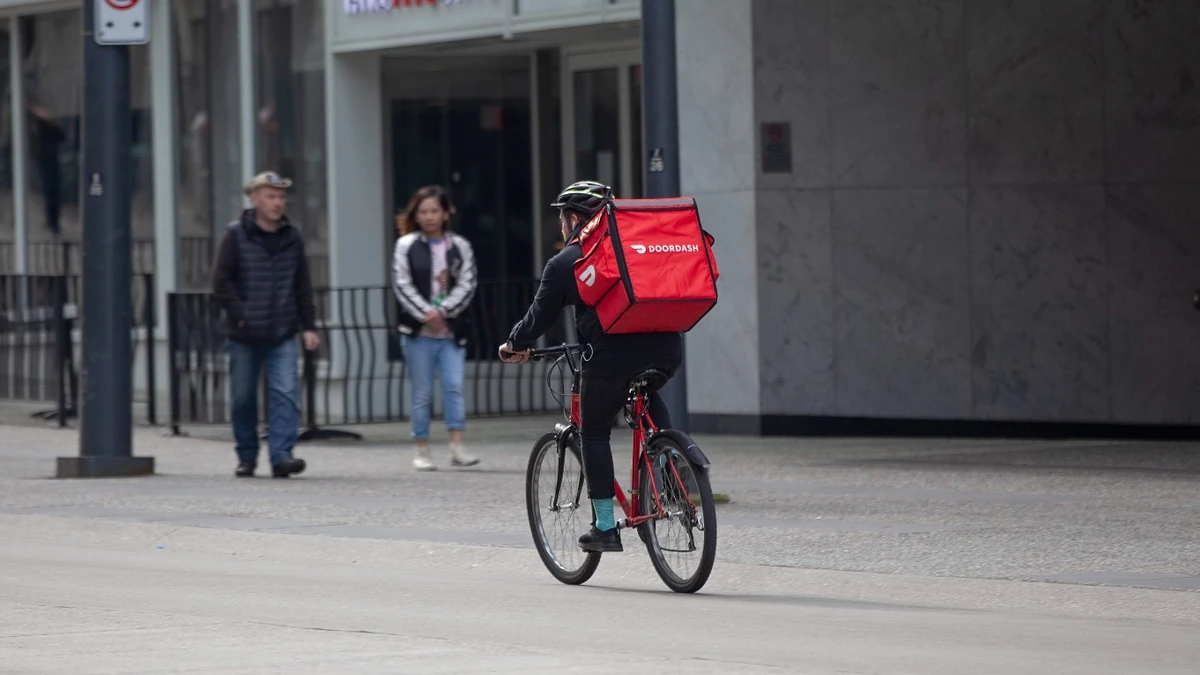
DoorDash has agreed to acquire grocery-delivery platform Instacart in a deal valuing its equity at approximately $17 billion, extending the restaurant-delivery company’s reach into online grocery shopping. The offer is worth $65 per Instacart share and will be paid predominantly in cash, with some DoorDash stock available to shareholders.
The companies announced the agreement Thursday after Instacart’s board unanimously approved it. The proposed acquisition is not expected to close until late 2027 or the first half of 2028, leaving a lengthy approval process before DoorDash can take ownership of the grocery technology company.
How the $65-a-Share Offer Will Work
The $65 offer represents a 26% premium to Instacart’s October 22 closing share price, the last trading session before reports of a possible sale emerged. Under the companies’ announcement, Instacart investors may choose from three forms of payment rather than receiving an identical cash-and-stock allocation on every share.
One election provides $65 in cash for each share. Another offers 0.3372 shares of DoorDash common stock, while the third consists of $48.75 in cash plus 0.0843 DoorDash shares. Those exchange ratios are fixed, so the market value of the share-based alternatives can fluctuate with DoorDash’s stock price before closing.
There is also a limit on how much DoorDash equity can be issued. Stock may account for no more than 25% of the total purchase consideration, meaning at least 75% must be cash. If too many Instacart investors elect shares, their stock allocations will be reduced proportionately under the agreement’s proration rules. A shareholder’s election therefore will not necessarily determine the exact final mix received.
DoorDash plans to pay the cash portion with existing funds and debt financing. It has arranged a 364-day senior unsecured bridge loan commitment from JPMorgan Chase Bank to support the borrowing component, although the company expects to set its longer-term financing structure before the deal closes. The acquisition has no financing condition, and DoorDash says it aims to retain investment-grade credit ratings.
The announced $17 billion figure is an equity valuation, not a stated enterprise value including any assumed debt. For investors weighing the price, that distinction matters: the $65 consideration establishes what DoorDash has agreed to offer Instacart shareholders, while the ultimate financing costs will depend on the funding arrangements in place at closing.
DoorDash’s Grocery Ambitions Extend Beyond Delivery
Instacart brings more than a customer-facing grocery app. Its software supports online ordering and fulfillment for retail partners, and its advertising business allows brands to reach consumers through retailers’ digital storefronts. DoorDash sees those services as a way to deepen its relationships with grocers that need online sales capabilities but do not necessarily want to build their own delivery systems.
Instacart says its retailer partnerships span more than 2,200 banners and nearly 100,000 stores. DoorDash estimates that customers using Instacart could gain access to more than 50,000 additional stores after the acquisition. That is a company projection about future availability, not an immediate expansion of either service’s existing selection.
The companies also intend to offer one membership fee in place of separate DashPass and Instacart+ subscriptions. DoorDash estimates the change could save members roughly $100 million a year in fees. The actual savings will depend on the terms introduced after closing and how many customers maintain both memberships. DoorDash says it expects to retain Instacart’s name, app and business technology rather than folding the service entirely into its own consumer app.
The proposed purchase follows a period of expansion for DoorDash. In its third-quarter results released Thursday, the company reported 993 million total orders, up 28% from a year earlier, and revenue of $4.62 billion, up 34%. Those companywide growth rates include the contribution from its earlier Deliveroo acquisition. Excluding Deliveroo, revenue increased 23%, a more useful comparison for understanding growth in its existing operations.
Instacart’s latest results provide another measure of the business DoorDash wants to buy. The grocery platform reported $10.53 billion in third-quarter gross transaction value, up 15% year over year, while revenue climbed 17% to $1.095 billion. Its third-quarter earnings release also showed $147 million in net income and $331 million of advertising and other revenue, the latter up 23%. The advertising figure helps explain why DoorDash is pursuing more than additional delivery orders.
DoorDash has put a financial target around its plans, projecting a multiyear path to at least $500 million in annual synergies after investments. Management expects to reinvest more than the entire initial savings amount in the first year after closing, with positive net synergies beginning in the second year. Those figures are forecasts, not benefits that have already been achieved, and they depend on the companies being able to operate more efficiently once the acquisition is completed.
For grocers, access to Instacart’s ordering tools alongside DoorDash’s delivery network could offer additional options for fulfilling orders placed through a retailer’s own website. DoorDash has also been investing in inventory and fulfillment operations, areas where grocery service is more complicated than collecting prepared restaurant orders. Whether the added scale translates into lower delivery costs or better prices for customers remains an operating goal rather than a demonstrated result of this deal.
Regulatory Approvals Could Stretch Into 2028
The lengthy closing timetable leaves the acquisition exposed to regulatory scrutiny. The companies say completion requires clearance under the U.S. Hart-Scott-Rodino antitrust process as well as approvals in Canada and Israel, along with other customary closing conditions. Those requirements are substantive hurdles, not procedural approvals that DoorDash can assume it will receive.
Both companies operate marketplaces that connect customers with local businesses and delivery workers, and each already serves grocery demand. Regulators may examine how owning both networks would affect competition for retail partners and consumers. DoorDash has pledged that grocery stores will not have to use it exclusively and can continue working with other delivery platforms, although the commitment does not prejudge a regulator’s assessment.
Instacart shareholder approval is another remaining step. Investors representing about 19% of its outstanding shares have agreed to support the acquisition, but that commitment does not itself deliver the full vote required to complete it. Instacart’s board approval also does not substitute for the eventual shareholder decision.
Until closing, DoorDash and Instacart say they will remain separate companies. That means the promised unified membership fee, wider shopping selection and operational changes should not be treated as existing customer benefits. DoorDash has also said people who shop orders through Instacart would retain flexibility over the orders they accept after the deal, a commitment whose practical implementation would follow a completed acquisition.
The companies expect further disclosures through a registration statement on Form S-4 and a shareholder proxy statement/prospectus to be filed with the U.S. Securities and Exchange Commission. Those documents should provide investors with fuller details of the share elections, voting process and risks before a vote is held. The next decisive questions are whether Instacart shareholders approve the agreement and whether regulators clear it within the timetable the companies have set.
More from Investing
Latest News
View all news- India’s Economy Estimated to Grow 7.35% in Q2 as Finance Ministry Flags Inflation Risks
- U.S. PCE Inflation Reaches 3.6%, Keeping Pressure on the Fed
- Home Prices Rise in 78% of U.S. Metro Areas Despite Affordability Strain
- U.S. Continuing Jobless Claims Fall by 21,000 as New Claims Stay Low
- U.S. Economic Growth Accelerates to 3.4% in Third Quarter