
French Inflation Accelerates to 3.4% in October as Energy Prices Surge
INSEE's preliminary figures show energy prices rising 24.1% from a year earlier, with services inflation also accelerating as food price growth eased.
Our editorial standards
MarketReview publishes clear, independently produced financial information using reliable sources and transparent editorial standards.
Read our Editorial Policy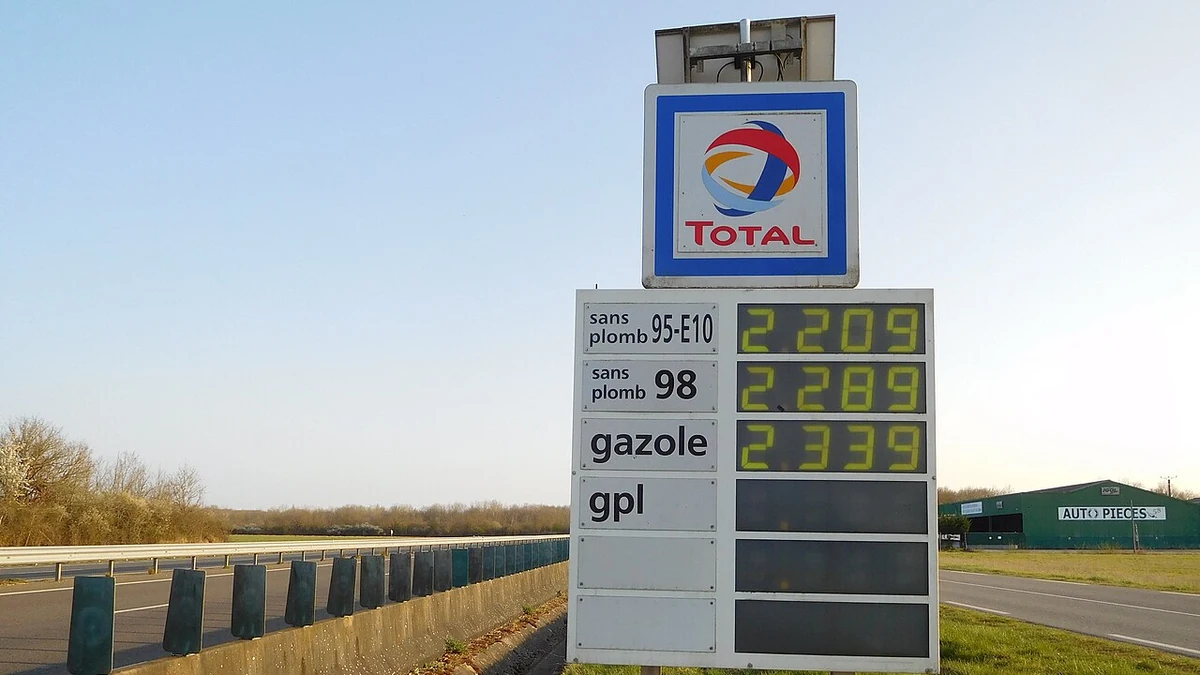
France’s annual inflation rate climbed to 3.4% in October from 3.1% in September, as rising energy costs and faster services price increases added to the pressure on household budgets. The preliminary reading marked another step up from the subdued inflation recorded earlier this year, even though some consumer goods were still becoming cheaper.
The National Institute of Statistics and Economic Studies, known as INSEE, said in its October 30 preliminary consumer price estimate that energy inflation had accelerated for a fourth consecutive month. The agency identified gas and petroleum products as major drivers and reported stronger price growth in accommodation and transport services.
Consumer prices rose 0.4% from September, reversing a 0.3% monthly decline in the previous month. October’s annual rate was the highest since December 2023, according to INSEE’s published inflation series, and stood well above the 0.9% recorded in October 2025. The figures remain provisional: INSEE used a limited set of price observations and estimates for some tariffs not yet available, with the final October release scheduled for November 13.
Energy Inflation Reaches 24.1% as Fuel and Gas Costs Rise
Energy prices increased 24.1% from a year earlier in October, compared with 21.3% in September. That was the sharpest acceleration among the major categories in the preliminary report and a central reason headline inflation increased. INSEE said the annual rate for energy had risen for four consecutive months, with gas and petroleum products leading the latest move.
October also brought a further rise in energy prices on a month-to-month basis. The agency cited increases in gas, petroleum products and electricity, although its flash estimate did not provide separate October percentage changes for each of those categories. The 24.1% energy figure therefore cannot be read as the October increase in petrol prices or in any particular household’s utility bill.
More detail is available for September, when INSEE’s final figures put petroleum product inflation at 36.2% year on year, up from 28.7% in August. Diesel prices were 44.1% higher than a year earlier and petrol prices were up 25.7%. Gas inflation reached 19.0%, while electricity prices were 1.4% higher. These are September readings, not estimates of the individual fuel or utility rates for October.
In October 2025, energy prices were 5.6% lower than a year earlier; the latest preliminary comparison is an increase of 24.1%. That swing makes the comparison period important: the annual rate measures October prices against the same month a year ago, not just against September. INSEE’s initial release does not isolate a precise percentage-point contribution from energy to the overall October inflation rate.
Energy represents 764 parts of the 10,000-part weighting in France’s 2026 consumer price index, or about 7.6% of the basket. Its steep increase therefore carries considerable influence despite its smaller weight relative to services. Higher fuel and gas bills can also affect business costs, but the preliminary data do not establish how much of the increase in other prices, if any, was passed through from energy.
Services Prices Accelerate While Food Inflation Slows
Services inflation rose to 2.7% in October from 2.4% in September. INSEE pointed particularly to accommodation and transport services, two areas that can change noticeably with travel patterns and seasonal demand. Transport services also helped push the overall monthly consumer price index higher after prices in that broad category had fallen in September.
September’s final figures had already shown annual transport services inflation of 5.1%, including a 10.0% increase in airfares. Accommodation services prices were 4.9% higher than a year earlier. The October flash data indicate renewed acceleration in these areas but do not yet provide the same detailed breakdown. That limits how precisely the latest services increase can be explained.
Food offered a partial offset to the broader rise. Annual food inflation eased to 1.2% from 1.4%, with fresh food inflation slowing to 8.0% from 9.5%. Prices for other food products were up just 0.3% over the year, against 0.4% in September. Slower inflation does not mean the overall price of food fell compared with last October: the category continued to register an annual increase.
Manufactured goods prices were down 0.2% from a year earlier, a slightly smaller decline than September’s 0.3%. Tobacco price inflation held steady at 3.3%. Together, the figures show why October’s headline increase should not be read as an acceleration across every part of the household basket. Energy and services were becoming more expensive at a faster rate, while food inflation eased and manufactured goods remained marginally cheaper than a year before.
On the European Union’s harmonised measure, French annual inflation reached 3.8% in October, up from 3.4% in September. The harmonised index also rose 0.4% on the month. It is designed to make price trends comparable across EU countries and differs from France’s domestic CPI, notably in the treatment of healthcare costs. The 3.8% harmonised reading should not be confused with the 3.4% national headline figure.
Inflation Rebounds as the French Economy Loses Momentum
The price report landed alongside evidence of weaker economic activity. In a separate release on October 30, INSEE estimated that French gross domestic product declined 0.1% in the third quarter, after no growth in the second. Household consumption grew 0.4% during the quarter, but business and household investment remained weak: overall fixed investment declined 0.6%, while exports fell 1.7% from the previous quarter.
The GDP decline does not by itself establish a recession, and stronger quarterly consumption shows that demand did not weaken uniformly. Yet the rise in household energy costs is occurring as overall output slips and investment contracts. Higher bills can leave less room for other spending, particularly if household incomes do not keep pace.
Other INSEE indicators point to a more cautious consumer. Its October household confidence index fell five points to 80, the lowest level since June 2013, with respondents reporting a deterioration in their views of their financial situation. Separately, the volume of household purchases of goods fell 0.5% in September after a 0.5% drop in August. These surveys and spending figures describe economic conditions around the inflation release; they do not establish that October’s price increase caused those earlier changes.
The European Central Bank had already left its three policy interest rates unchanged on October 29, one day before the French inflation figures were published. Its deposit facility rate remains at 2.50%, the main refinancing rate at 2.65% and the marginal lending rate at 2.90%. The ECB warned that the energy shock posed risks of higher inflation and weaker economic growth across the euro area, while reiterating its medium-term 2% inflation target.
The ECB said underlying euro-area inflation had so far remained broadly stable, and wages had not shown a material response to the energy shock. The rise in fuel and utility costs therefore should not be taken as evidence, on its own, that price pressure has become persistent across the economy. France’s preliminary October release did not provide an updated core inflation figure; the latest completed INSEE reading was 1.5% for September, up from 1.1% in August.
Eurostat is due to publish its October flash inflation estimate for the euro area on November 4. INSEE will follow with France’s final October consumer price figures on November 13, including the more detailed breakdown unavailable in Friday’s preliminary release. Those figures will show whether the initial estimates of rising energy and services prices hold up.
More News



Latest News
View all news- Chicago Business Barometer Falls to 55.3 in October but Signals Continued Expansion
- Chevron Posts $9.9 Billion Quarterly Profit as U.S. Refinery Throughput Hits Record
- AbbVie Raises 2026 Earnings Outlook After Revenue Climbs 10.3%
- Federal Radiation Compensation Approvals Reach $909 Million, With More Than 50,000 Claims Pending
- Spain Inflation Holds at 4.9% in October as Core Stays at 3.1%
