India Approves ₹11,000 Crore Incentive Scheme to Boost Construction Equipment Manufacturing
The eight-year programme will reward additional sales of advanced machinery and components made in India and fund a dedicated testing facility.
Our editorial standards
MarketReview publishes clear, independently produced financial information using reliable sources and transparent editorial standards.
Read our Editorial Policy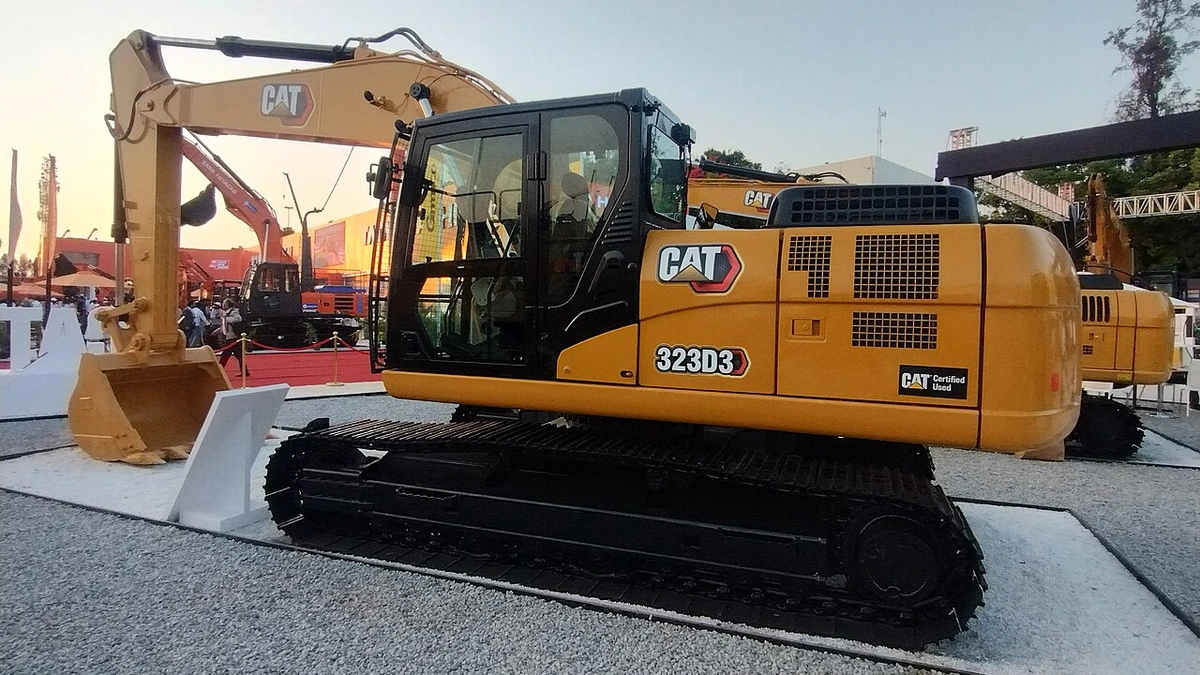
India’s Union Cabinet on Wednesday approved ₹11,000 crore in incentives and infrastructure support for domestic construction equipment manufacturing, targeting machinery and critical parts that the country still relies heavily on foreign suppliers to provide. The programme will run through the 2033-34 financial year under the Ministry of Heavy Industries.
For manufacturers, the main financial benefit will come from additional sales of qualifying products rather than simply installing new factory capacity. The first two financial years are intended for establishing manufacturing facilities, with incentive payments scheduled to begin in FY2028-29. A separate grant will support a domestic equipment testing centre.
The policy follows a proposal in the Union Budget for FY2026-27 to develop India’s capacity to produce more sophisticated construction machinery. The Cabinet’s approval announcement puts the size of the domestic market at approximately ₹97,500 crore in FY2024-25 and identifies infrastructure development and housing as sources of future demand.
Incentives favour additional sales of machinery and parts
Approved equipment manufacturers will be eligible for incentives ranging from 13% to 10% of qualifying incremental sales value. The corresponding rates for component producers range from 11% to 8%, according to the government’s Cabinet briefing. The graded incentives extend over five financial years ending in March 2033, with the following financial year reserved for settling the final year’s claims.
This schedule is important for companies assessing whether to commit capital to the sector. A manufacturer may have to finance factory construction, equipment purchases and product development well before receiving the first sales-linked payment. Its ability to sell eligible products at commercially viable prices will therefore remain important even with government support. The announced rates should not be read as discounts on the entire turnover of a participating company.
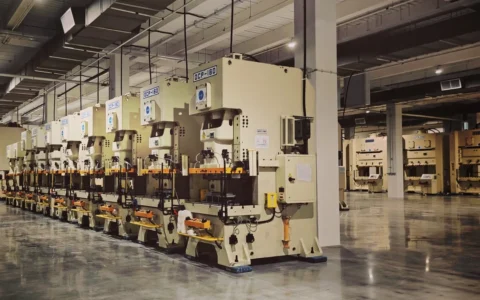
The focus on parts suppliers is particularly relevant to an industry where a machine can be assembled domestically but still contain expensive imported systems. Engines, transmissions, hydraulics, undercarriages and drive systems fall within the component categories identified by the government. Producing more of these systems locally could increase the domestic share of a machine’s value without requiring every equipment maker to manufacture all its own parts.
In July, the Ministry of Heavy Industries told the Lok Sabha that industry association estimates placed construction equipment import dependence at about ₹34,500 crore in FY2024-25. Approximately ₹30,250 crore of that amount related to parts and assemblies, compared with ₹4,250 crore for complete machines. The figures illustrate why concentrating exclusively on final assembly would leave much of the industry’s dependence on overseas suppliers unaddressed.
Advanced machinery for major infrastructure projects
Seven equipment groups are covered by the scheme. They include excavators, loaders and trucks designed for off-road use, as well as cranes, drilling machines, piling rigs and tunnel boring machines. The mix spans machinery used in routine earthmoving work and specialised capital equipment needed for technically demanding projects.
For metro rail and road tunnel projects, the availability of suitable boring machines can influence construction schedules. Unlike general-purpose excavators, these machines often need to be designed for particular ground conditions and tunnel dimensions. Building them locally requires engineering capability as well as access to the specialised components needed to keep them operating.
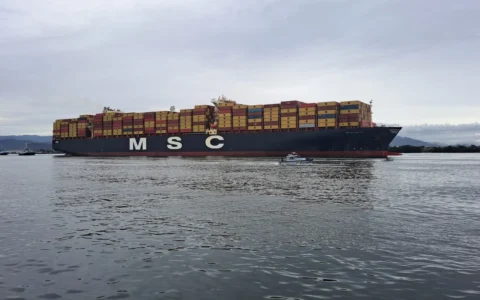
Port development presents a different manufacturing opportunity. Ship-to-shore cranes must be suited to the dimensions and handling requirements of the terminals where they operate. Domestic production could make equipment procurement and long-term maintenance less dependent on overseas suppliers, provided local manufacturers meet the technical requirements of port operators.
For construction contractors, the potential benefit is not confined to the initial cost of machinery. Access to replacement parts and qualified servicing also affects the cost of owning equipment. A breakdown can leave an expensive machine idle and delay other work on a project. A larger domestic supplier base could improve parts availability, although the scheme does not guarantee shorter delivery times or lower equipment prices.
The government expects the programme to attract approximately ₹21,000 crore in investment and replace about ₹22,500 crore worth of imports over its lifetime. Both figures are official projections rather than commitments already secured from companies. They will depend on which applicants participate, what capacity they establish and whether customers choose their products over existing alternatives.
Domestic testing capacity and a growing market
Up to ₹375 crore of the approved budget is earmarked for a testing facility, with the Automotive Research Association of India identified in the Cabinet briefing as the recipient of viability gap funding. The facility is intended to allow equipment manufactured in India to undergo testing and certification within the country.
Testing is a separate expense from factory investment and can be difficult for smaller suppliers to undertake independently. Machinery intended for heavy workloads must be evaluated for performance and safety under appropriate conditions. A shared testing centre could give manufacturers access to capabilities that would be costly to replicate at individual plants. Its practical value will depend in part on the range of tests offered and acceptance of the resulting certifications by customers and regulators.
The government’s market forecast puts the Indian construction and infrastructure equipment sector at around ₹2,28,100 crore by FY2029-30, more than twice its FY2024-25 size. Even if domestic demand expands at that pace, growth in equipment sales would not automatically translate into reduced import dependence. Local manufacturers would need to capture a greater portion of demand, particularly in categories where overseas suppliers currently have an established position.
For prospective applicants, further implementation details will be important before investment plans can be assessed against the incentive. The approval announcement does not specify the individual beneficiaries, their approved investment commitments or the complete rules for calculating eligible incremental sales. Those details will determine how the published rates translate into actual payments during the five-year incentive period.
More News

Latest News
View all news- U.S. Economic Growth Revised Up to 4.3% in Third Quarter
- Mortgage Applications Jump 6.1% Despite 30-Year Contract Rate Reaching 7.38%
- US Weekly Jobless Claims Fall to 189,000 as Continuing Claims Decline
- U.S. Proposes New Tariffs on 14 Trading Partners Following Section 301 Investigations
- FirstEnergy Contributes $300 Million in Stock to Its Pension Trust