Small Business Saturday Puts Independent Retailers in Focus During Holiday Shopping Season
Independent U.S. merchants are seeking a share of holiday spending as an American Express survey points to strong consumer interest in shopping locally.
Our editorial standards
MarketReview publishes clear, independently produced financial information using reliable sources and transparent editorial standards.
Read our Editorial Policy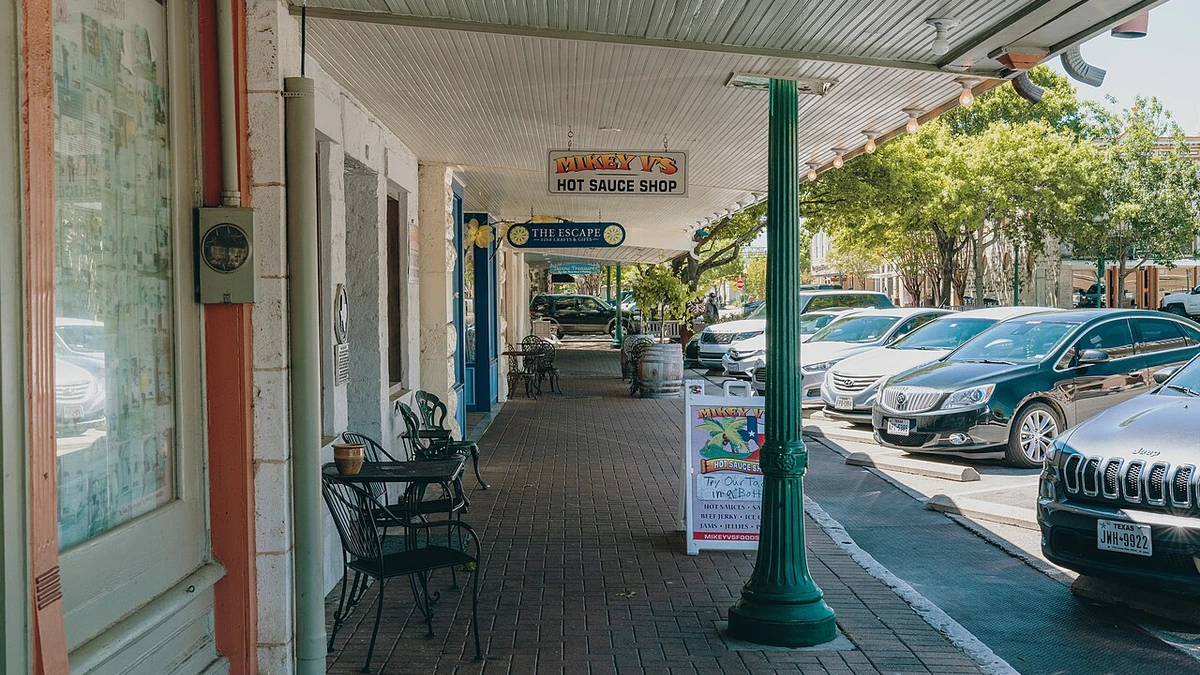
Independent retailers across the United States are getting a turn in the holiday shopping spotlight on Saturday, November 28, as Small Business Saturday returns between Black Friday and Cyber Monday. The annual campaign comes at a time when consumers are expressing considerable interest in buying from local businesses, even as household budgets face pressure and large retailers compete for holiday spending.
American Express research released earlier this month found that 88% of surveyed U.S. consumers were likely to buy from small businesses during the holiday season, the highest proportion reported by its study since 2012. For business owners, the stakes extend beyond December: 70% of those surveyed said holiday purchases by customers would affect their ability to expand in 2027.
American Express established Small Business Saturday in 2010, and the U.S. Small Business Administration has co-sponsored it since 2011. In its November 19 announcement, the agency encouraged Americans to direct some of their holiday spending toward local merchants.
Holiday spending could exceed $1 trillion
The event falls within what the National Retail Federation (NRF) expects to be a growing holiday retail season. In October, the trade association forecast $1.013 trillion in sales for November and December, an increase of 4.2% from 2025. Holiday retail sales grew 3.1% last year to $972 billion.
A separate NRF survey conducted by Prosper Insights & Analytics estimates that 182.7 million consumers intend to shop over the extended Thanksgiving weekend. Black Friday remains the biggest draw in the survey, with 126 million people planning to shop that day, compared with 66.1 million on Cyber Monday. These counts can overlap because consumers may make purchases on several days.
Much of the competition for holiday budgets is already underway. According to the same survey, 60% of consumers had begun shopping by the start of November, and 82% were taking measures to control their holiday expenses. Some planned to economize on gifts, and others intended to reduce spending elsewhere.
Rising aggregate retail sales do not necessarily translate into higher revenue for every store. The NRF forecast measures spending in dollars rather than the volume of merchandise sold, so higher prices can contribute to growth. It covers retail businesses of different sizes and excludes restaurants, automobile dealers and gasoline stations. It does not establish how much revenue independent merchants will receive.
Local merchants compete for a share of the weekend
Small Business Saturday has developed into a sizable spending occasion in its own right. The SBA put estimated spending at local merchants during last year’s event at $18 billion. It also cited approximately $241 billion in cumulative spending associated with the annual event since 2012, based on consumer surveys commissioned by American Express.
Those estimates are not a tally of receipts from participating stores. Nor do they measure how much extra spending the campaign generated beyond purchases that would otherwise have taken place. Neither figure establishes how much consumers will spend at small businesses this Saturday.
For an independent gift shop or specialty retailer, a weekend of heavy discounting presents a different commercial problem from that facing a national chain. A smaller store may have less room to absorb a reduction in its selling prices or spread advertising costs over a large number of locations. Even if discounts bring in more customers, a business can end up with weaker margins if the additional sales do not make up for the lower profit on each item.
Local stores can also compete on the merchandise itself. In the American Express survey, 72% of consumers associated buying from small businesses with finding memorable gifts. Recommendations from family and friends were the leading method respondents identified for choosing small businesses. The findings suggest that a merchant’s appeal need not depend entirely on matching the lowest available price.
The research has a narrower scope than the entire small business economy. Teneo conducted the consumer survey among 1,008 U.S. adults in September. A separate sample consisted of 503 owners or managers of non-franchised businesses with two to 99 employees and a physical sales location in specified consumer-facing industries.
December sales have implications for 2027
The financial importance of holiday demand is particularly apparent for businesses that have already committed money to seasonal inventory. Strong sales can release cash tied up in stock, allowing owners to meet supplier bills and replenish merchandise. Unsold seasonal products, by contrast, may have to be marked down after Christmas, reducing the amount available for other expenses.
For merchants that borrowed to stock their shelves, the timing of revenue matters as much as the final sales figure. Rent and loan payments continue after the holidays, even when customer traffic slows. A profitable December may therefore give a business greater flexibility over staffing or equipment purchases in the new year. High sales alone provide little assurance of that flexibility if operating costs have risen at the same time.
A first visit during a widely promoted shopping event also gives an independent retailer an opportunity to earn repeat business without incurring the full cost of attracting a new customer. How much lasting value the campaign creates will depend in part on whether those customers return once the holiday promotions end.
For the retail sector as a whole, the Thanksgiving weekend offers an early indication of how consumer intentions are translating into purchases. The 2026 holiday sales period measured by the NRF continues through December 31, leaving several weeks of gift buying and post-Christmas trading after Small Business Saturday.
More News


Latest News
View all news- United Fidelity Bank Branches Begin Operating Under First Citizens After Failure of $5.9 Billion Lender
- GS Group Breaks Ground on 15 Trillion Won AI Data Center in South Korea
- 41% of German Companies Plan to Cut Domestic Investment, Ifo Survey Finds
- French Senate Retains Green Industry Tax Credit Expansion in 2027 Budget Bill
- Federal Reserve Enters Blackout Period Ahead of December Interest Rate Decision