Canada Announces C$248,063 Investment to Restore Nova Scotia Lighthouse and Support Tourism
The non-repayable funding will repair Sandy Point Lighthouse near Shelburne and help its community operators expand digital tourism promotion.
Our editorial standards
MarketReview publishes clear, independently produced financial information using reliable sources and transparent editorial standards.
Read our Editorial Policy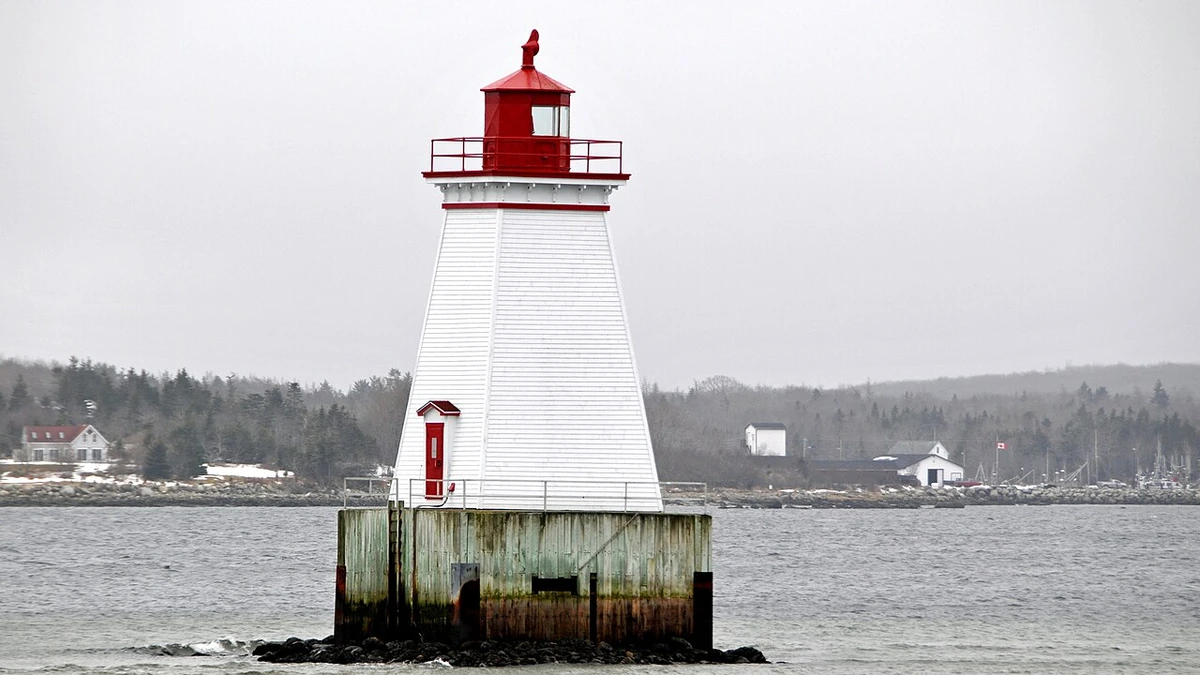
Canada has announced C$248,063 in non-repayable federal funding to restore Sandy Point Lighthouse in Nova Scotia and help promote the waterfront attraction to visitors. The contribution will support repairs to the structure as well as a new website and updated digital marketing for the community group responsible for the site.
The Atlantic Canada Opportunities Agency (ACOA) announced the investment on November 21, 2026, in Sandy Point, a coastal community near Shelburne. Jessica Fancy, a Nova Scotia member of Parliament, made the announcement on behalf of Sean Fraser, the minister responsible for ACOA. The recipient is the Sandy Point Community Recreation Group, which owns and maintains the lighthouse park.
The funding addresses two needs at a landmark exposed to coastal conditions: protecting the physical lighthouse and helping the surrounding park attract visitors. In its November 21 announcement, the agency identified rising sea levels, erosion and severe winter weather as conditions the restoration is intended to withstand. It did not provide a construction start date, completion timetable or projected increase in visitor numbers.
Repairs will focus on the lighthouse and its coastal foundation
The planned work covers the lighthouse’s concrete base and wooden fenders, along with the tower, lantern and lantern room. Those are the components identified by ACOA, rather than a general refurbishment of the surrounding park. The agency did not publish a line-by-line allocation of the C$248,063 between structural repairs and promotional work.
The waterfront setting is part of the lighthouse’s appeal, but it also exposes the structure to the elements. The lighthouse stands at the entrance to Shelburne Harbour, separated from the shore by water except when low tide exposes the sandbar. Restoring a waterside structure involves a different set of priorities from renovating an inland visitor facility, particularly when the foundation and protective wooden elements are included in the scope.
The government’s announcement describes the objective as improving resilience against rising water, coastal erosion and harsh winters. It does not establish that any particular storm caused the present need for repairs, nor does it provide an engineering assessment of the lighthouse’s condition. The work is meant to address the maintenance and resilience needs identified by ACOA, rather than damage attributed to a specific recent event.
A light has marked the entrance to the harbour for more than 150 years, according to ACOA. The site remains closely connected to Shelburne’s maritime history, but its present role extends beyond navigation. The government describes the grounds as a year-round gathering place and an emergency measures base, making continued upkeep a concern for residents as well as visitors.
The tourism plan extends beyond repairing the tower
Part of the federal contribution will pay for professional support to develop a new website and produce updated photographs and videos. The Sandy Point Community Recreation Group also plans to strengthen its online presence to encourage visits in more seasons. ACOA has not stated the cost of those individual activities or set measurable targets for bookings, attendance or tourism revenue.
The lighthouse already receives more than 6,000 visitors annually, according to the agency. That figure provides a sense of the site’s existing appeal, although the release does not specify the survey method, reference year or how visitors are counted. The government says travellers come from elsewhere in Canada as well as the United States and Europe.
The setting is unusually accessible for a coastal lighthouse. At low tide, visitors can walk across a sandbar to reach it; the opportunity disappears as the tide returns. Tourism Nova Scotia’s official listing also describes the shoreline’s picnic area, views of Shelburne Harbour and the activity of commercial and recreational boats. Those features make the landmark a destination even for visitors who do not enter the tower.
The community group owns Sandy Point Lighthouse Park, including the lighthouse, a community hall and a beach and waterfront area. Its calendar reaches beyond ordinary sightseeing. ACOA lists events associated with the site such as the Shelburne County Lobster Festival, Dock Days, Lights along the Shore and the Nova Scotia Lobster Crawl, along with bus tours, conferences and weddings.
The repair work and promotional plans have different aims. Physical work is intended to keep the landmark usable and withstand coastal conditions. A better online presence could make it easier for travellers to discover the attraction and plan a visit. Whether that results in higher attendance or spending at nearby businesses will depend on outcomes that have not yet been reported.
Federal support builds on an existing community asset
The new contribution comes from ACOA’s Innovative Communities Fund, a program intended to help communities develop local economic opportunities and strengthen rural infrastructure. Under the agency’s published program rules, assistance from the fund is non-repayable. The C$248,063 is therefore not a loan that the recreation group is expected to repay.
The fund’s remit also helps explain why the award includes marketing alongside construction. ACOA supports community-led projects intended to improve long-term local economic capacity, rather than limiting its assistance to conventional building repairs. The lighthouse park is a non-profit community asset with an established tourism function, giving the government a basis for treating its preservation and promotion as one project.
Sandy Point has received federal assistance before. In an earlier announcement in 2015, ACOA identified a C$55,124 contribution for improvements at Sandy Point Lighthouse Park, including work on the community centre, waterfront lighting and barriers near the boardwalk. That was a separate project, not part of the newly announced C$248,063, and it shows that maintaining the park and its visitor facilities has been an ongoing local effort.
The latest announcement also puts volunteers at the centre of the work. Sandy Point Community Recreation Group president Zeljka Lipovac thanked the agency on behalf of the people who care for the lighthouse and those who visit it. Municipality of the District of Shelburne warden Penny Smith similarly credited the residents and volunteers who have helped protect the landmark. Their remarks reflect the community’s interest in keeping the site accessible, but the release does not provide a breakdown of volunteer contributions or other financing.
For now, the confirmed commitment is the federal funding and the specified scope of repairs and tourism promotion. The announcement does not give a total project budget, identify additional contributors or say when the restored lighthouse and new promotional materials will be ready. Those details would establish how the work moves from an announced contribution to a completed project.
More News

Latest News
View all news- Spain’s Sánchez Proposes Bank Tax Extension to Raise €1.4 Billion for Housing
- New York’s New CPA Licensing Law Takes Effect, Adding 120-Credit Pathway
- Nasdaq Rule Removing CORE FIX Order-Entry References Becomes Operative
- Monte dei Paschi Calls Intesa Takeover Offer Financially Fair but Says It Undervalues Future Potential
- France Opens €1,000–€10,000 Emergency Grants for Small Businesses Damaged by Unrest