New Federal Rules Limit How Medical Billing Disputes Can Be Batched
For disputes entering open negotiation on or after November 1, a 50-line-item cap comes with broader grouping options and a shorter cooling-off period for batched cases.
Our editorial standards
MarketReview publishes clear, independently produced financial information using reliable sources and transparent editorial standards.
Read our Editorial Policy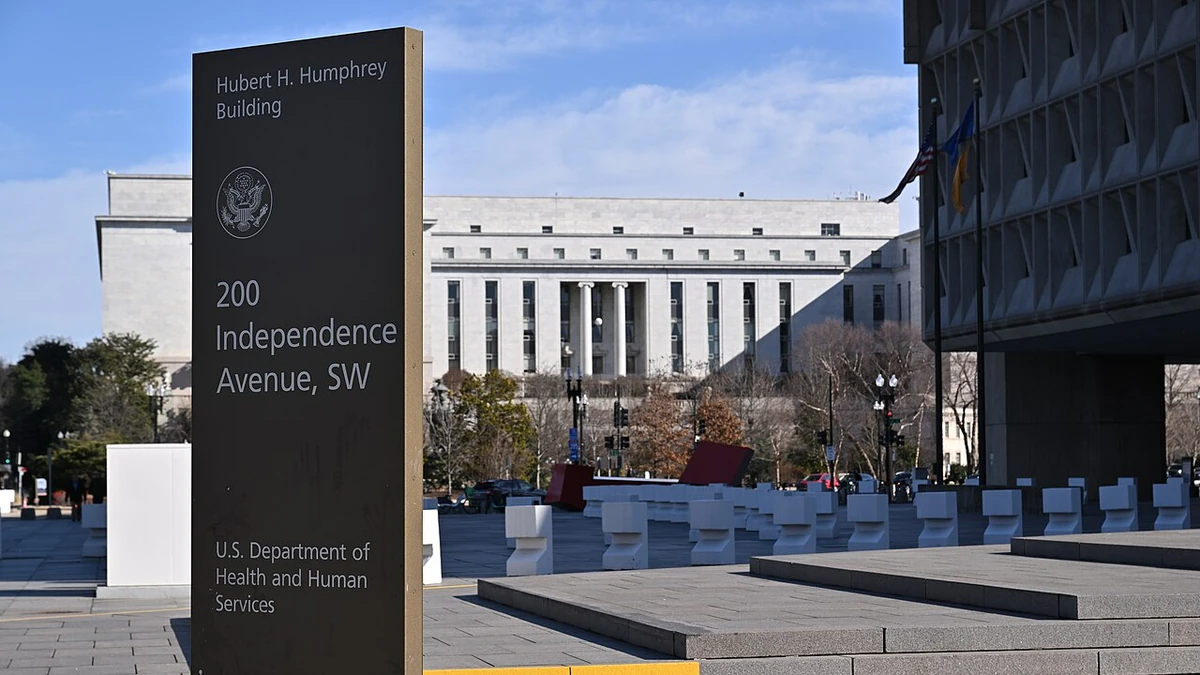
New federal rules are limiting how many disputed medical payment items can be grouped into a single arbitration case, with a 50-line-item ceiling applying to qualifying batches whose open negotiation periods begin on or after November 1, 2026. The restriction affects disputes between health plans and medical providers over certain out-of-network payments, not patients challenging their own medical bills.
The cap is only part of the change. Federal regulators are also allowing more types of related services to be grouped together, while shortening the waiting period before certain repeat batched disputes can be filed. That makes the revisions both a restriction on unusually large cases and an expansion of the ways ordinary cases may be organized.
The changes stem from rules published by the Departments of Health and Human Services, Labor and the Treasury, together with the Office of Personnel Management. Their June 4 final rule took effect generally on August 3, but regulators set November 1 as the applicability date for its batching provisions. The distinction matters because the controlling date is when open negotiation begins, rather than the date a dispute eventually reaches arbitration.
The Federal Independent Dispute Resolution (IDR) process was established under the No Surprises Act. When a health plan and an out-of-network provider or facility cannot agree on payment for a covered service, a certified independent entity can select a payment amount after the parties complete the required negotiation process. Providers of air ambulance services can also participate. This payment process is separate from the law’s protections against certain surprise bills sent to patients.
A 50-item ceiling, with broader ways to group services
Batching allows a disputing party to bring multiple qualifying items or services through one federal IDR case instead of initiating a separate case for every item. Each line item still requires an eligibility and payment assessment. Under the new limit, a batch with 51 otherwise eligible items cannot be submitted as one dispute. The extra items would need to be handled through another permissible filing, with the applicable requirements and fees.
Federal agencies originally proposed a 25-line-item ceiling, then raised it to 50 after considering objections about the cost of splitting claims. The final rule says the average batch in the data regulators examined contained seven line items and that 99% of existing batched disputes fell within the 50-item limit. At the other extreme, some submitted batches contained as many as 816 line items. Regulators said those outliers were especially difficult for independent entities to review within required deadlines.
The grouping criteria have changed alongside the numerical cap. Services can now qualify as related when they were furnished to one patient during a single encounter, meaning the same or consecutive dates of service and billing on the same claim form. Items provided to one or more patients can also be grouped when they use the same service code or comparable codes under different procedural coding systems.
A separate route covers anesthesiology, radiology, pathology and laboratory services. For those specialties, eligible items furnished to different patients may be batched when their codes fall within the same Category I Current Procedural Terminology code ranges specified in federal guidance. This recognizes that similar work may be billed under several closely related codes without requiring every procedure to have an identical code.
Those permissions do not remove the other eligibility tests. Items in a batch generally must be billed by the same provider or facility, with payment owed by the same plan or insurer. They also must ordinarily have been furnished within the same 30-business-day period measured from the first item in the proposed batch, subject to an exception involving a cooling-off period. A shared medical specialty alone does not make unrelated bills from different providers or payers eligible for one case.
For hospitals and physician groups, the practical effect will depend on the mix of services and disputed amounts. A multi-service patient encounter may fit more naturally into one batch under the revised grouping rules. A practice bringing hundreds of similar claims, however, will need to divide them into multiple disputes even if the claims otherwise meet the grouping tests. Both consequences follow from the same final rule.
The start of negotiation determines which timing rules apply
November 1 is not a universal reset for every pending payment disagreement. The new batching requirements apply when the dispute’s open negotiation period starts on or after that date. A dispute submitted for federal IDR after November 1 can still fall under the earlier framework if its open negotiation period began before November 1. The date on which the underlying medical service was provided is not, by itself, the trigger for the new batching limit.
Another material change involves the cooling-off period after a payment determination. For covered batched disputes under the new rules, the initiating party generally must wait 30 business days before bringing another federal IDR dispute against the same other party over the same item or service. The older framework uses a 90-calendar-day cooling-off period, and CMS says that 90-day period continues for batches whose open negotiations began before November 1. Single-item disputes and bundled-payment disputes also retain the 90-calendar-day period, regardless of their negotiation start date.
The distinction between calendar days and business days is important. Thirty business days is not the same as 30 calendar days, and the shorter new period is targeted at batched disputes rather than every form of federal payment arbitration. It is also not a blanket pause on all disagreements between a provider and an insurer. Its application depends on the parties and the item or service involved in the prior determination.
Regulators are tightening the filing window after the new 30-business-day pause. When a qualifying item’s open negotiation period expired during that pause, the subsequent batched dispute generally must be initiated within four business days after the cooling-off period ends. For disputes still governed by the 90-calendar-day pause, CMS describes a 30-business-day post-cooling-off filing window. Separate requirements govern the initial 30-business-day open negotiation period and the period in which services may be included together in a batch.
CMS said in an October 2 implementation notice that its Notice of IDR Initiation form would begin enforcing the 50-item limit and the new cooling-off submission windows on November 1. Payment determination letters will also reflect the relevant waiting period. These software checks make the phased implementation operational rather than leaving parties solely to interpret the rule when preparing a batch.
Why filing costs and processing backlogs matter
Regulators framed the new ceiling as a compromise between cheaper grouped filings and the time independent entities need to review them. Large batches can require separate eligibility checks and assessments of individual services even when the cases arrive together. The agencies said oversized submissions can contribute to processing delays and make it harder for certified IDR entities to predict the work involved.
The trade-off runs in the other direction for practices that contest many relatively small payments. Dividing a large batch can mean more filings and additional charges. In public comments summarized in the rule, some providers warned that a low cap would undermine the economics of pursuing smaller claims. The agencies rejected their initial 25-item proposal but also declined requests for a 100-item ceiling or exemptions for particular specialties.
The federal administrative fee was reduced separately, from $115 to $15 per party per dispute for cases initiated on or after June 11, 2026. That charge is distinct from the fees assessed by certified IDR entities, which can vary by dispute type and number of line items. Lower administrative fees may ease the expense of making separate filings, but they do not eliminate the work involved in preparing them or the financial effect of having to split an unusually large batch.
Other provisions of the 2026 operations rule are arriving on different schedules. Federal guidance places requirements for specified claim-adjustment and remittance codes on items and services furnished from January 1, 2027, while additional portal functions have their own rollout periods. The new batching limit should therefore not be read as proof that every procedural change in the wider rule took effect on November 1.
The next scheduled system change is November 13, when CMS says organizations with IDR Gateway accounts will be able to use additional dispute forms, dashboards and reports within the new platform. In the meantime, the November 1 batching validations apply through the existing initiation form, giving providers and insurers an immediate reason to check their grouping criteria and negotiation start dates before submitting a case.
More News



Latest News
View all news- Treasury Sets 5.51% Rate for Newly Issued Series I Savings Bonds
- Oklahoma Overhauls Licensing Rules for Money Transmission Businesses
- Federal Sentencing Guidelines Update Financial Penalties for Economic Crimes
- South Korea Reports October Exports of $115.28 Billion, Up 93.7%
- UK Clarifies VAT Rules for Public and Workplace EV Charging