
India’s ₹34,000-Crore Government Bond Auction Clears at 7.3203% Yield
The RBI accepted the full ₹34,000-crore offering of 6.94% GS 2036 after competitive bids topped ₹73,000 crore, with a 7.3158% weighted-average yield.
Our editorial standards
MarketReview publishes clear, independently produced financial information using reliable sources and transparent editorial standards.
Read our Editorial Policy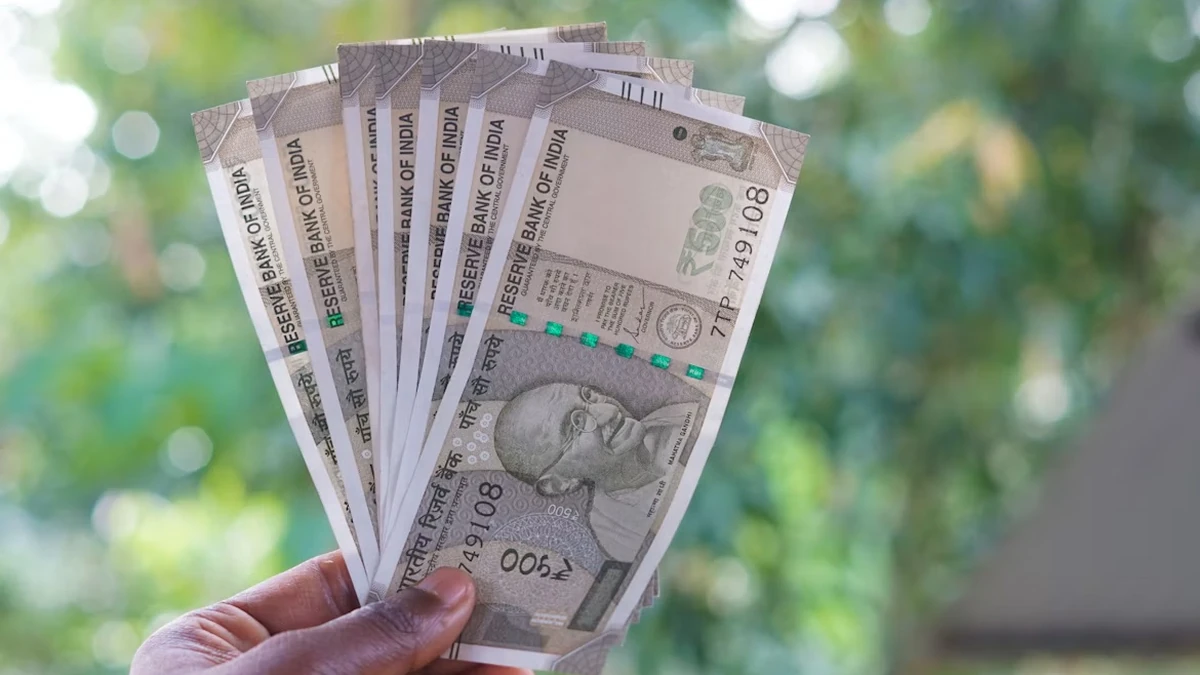
India raised ₹34,000 crore through a government bond auction on Friday, November 13, with the Reserve Bank of India setting a cut-off yield of 7.3203% for the 6.94% Government Stock 2036. The entire notified amount was allotted, and the RBI reported no devolvement on primary dealers, meaning no unsold portion had to be taken up under their underwriting commitments.
The bond was a reissue of an existing security rather than a new government loan with a newly set coupon. Its 6.94% coupon remains unchanged; the auction yield reflects the price investors were willing to pay for that stream of payments and the principal due at maturity. The cut-off price was ₹97.43 for every ₹100 of face value.
The RBI’s full auction results also put the weighted-average price at ₹97.46 and the weighted-average yield at 7.3158%. That average is slightly lower than the 7.3203% cut-off, an important distinction for readers comparing the auction outcome with bond yields quoted in the market.
Competitive bids topped ₹73,000 crore
The auction drew 349 competitive bids for ₹73,016.60 crore, a little more than 2.14 times the ₹34,000-crore amount offered. The RBI accepted 146 of those bids, totaling ₹33,947.718 crore. Another ₹52.282 crore came through eight non-competitive bids, all of which were accepted, bringing the total allotment to the full ₹34,000 crore.
The bid-to-cover figure indicates that investors submitted orders well in excess of the government’s planned sale, but it does not mean every bid was acceptable at the final price. In a government securities auction, orders at less favorable prices can be rejected even when the value of submitted bids is high. The cut-off tells the market where the RBI stopped accepting competitive offers.
Some bids received partial allotments. The detailed results show that 34 competitive bids were partially filled at an allotment percentage of 18.3591%. That level of detail matters less than the larger result: the borrowing target was met through accepted investor bids, without devolvement on the primary dealers that underwrote the offering.
Primary dealers are market participants with obligations under the government’s securities issuance arrangements. No devolvement does not imply that dealers were absent from the auction. It means the RBI did not have to assign them an unplaced portion of the notified sale under those underwriting obligations.
Why the yield differs from the 6.94% coupon
The name 6.94% GS 2036 describes the bond’s annual coupon rate and its maturity year, not the rate at which every investor bought the security on November 13. The cut-off yield of 7.3203% is a yield-to-maturity calculation based on the auction price and the bond’s remaining cash flows. Because the cut-off price was below ₹100, the calculated yield was higher than the coupon rate.
Price and yield move in opposite directions for a conventional fixed-rate bond. A buyer paying less than face value can receive the same coupon payments as an existing holder and, if the bond is held to maturity and payments are made as scheduled, receive the face amount at redemption. The discount helps explain the difference between a 6.94% coupon and a yield above 7.3%.
This was a multiple-price auction. Successful competitive bidders pay their respective accepted bid prices instead of all receiving an identical cut-off price. The RBI’s weighted-average yield of 7.3158% therefore better summarizes the accepted competitive pricing than the highest yield it accepted. The 7.3203% cut-off remains the defining boundary reported for the sale.
There is also a useful comparison with an earlier auction of the same security. On October 16, the RBI reported a cut-off yield of 7.3955% and a cut-off price of ₹96.91. November’s cut-off was 7.52 basis points lower and its price ₹0.52 higher per ₹100 of face value. Those figures compare two separate auction outcomes, not an intraday market move or a change in the central bank’s policy rate.
The change is relevant because both auctions involved the same fixed-coupon 2036 security. It provides a like-for-like reference point for how accepted pricing differed across the two sales, without requiring an assumption about why investors chose particular bid prices.
Reissue terms and the November 16 settlement
The government’s November 9 sale announcement identified the instrument as 6.94% GS 2036, maturing on May 11, 2036. Although originally issued with a 10-year tenor, the bond now has less than 10 years remaining until repayment. Selling more of an outstanding security increases the amount of that same bond in circulation rather than creating a different maturity or coupon.
The notification allowed the government to retain up to another ₹2,000 crore of subscriptions beyond the notified sale. The final auction results recorded ₹34,000 crore accepted, so the reported allotment did not include any additional amount under that option. This distinction matters when comparing the initially announced borrowing plan with the amount ultimately allotted.
Bids were submitted electronically through the RBI’s e-Kuber system. The auction announcement specified a multiple-price method and included a non-competitive route for eligible participants, including individuals who can access government securities through the RBI’s Retail Direct framework. Non-competitive allotments are based on the weighted-average outcome of accepted competitive bids rather than individual price quotes submitted by those participants.
The sale is government borrowing conducted through the RBI, not borrowing by the central bank for its own balance sheet. Investors who buy the bond hold a claim on the Government of India, and its market price may change after the auction. The published cut-off yield describes the auction result, not a return guaranteed to anyone purchasing the security later.
The RBI scheduled settlement for Monday, November 16, when successful bidders are required to pay for their allotments. That completes the issuance step following Friday’s price discovery and fixes the amount of the 2036 security added through this reissue.
More from Investing


Latest News
View all news- U.S. Producer Prices Rise 6.5% Annually in October, Fastest Pace Since November 2022
- U.S. Corn Export Sales Hit Marketing-Year High of 2.88 Million Tonnes
- Florida Man Pleads Guilty in $42 Million Medicare Fraud Scheme
- Dutch Mothers’ Employment Income Falls 33% After First Child, New Study Finds
- Danish Disposable Income Rose 4.5% in 2025, New Official Data Show
