
Swiss Dental Company vVARDIS Prices $175 Million U.S. IPO at $18 a Share
vVARDIS priced 9.72 million Class A shares below its earlier indicated range as the Swiss dental technology company prepared to trade on the NYSE under VVVV.
Our editorial standards
MarketReview publishes clear, independently produced financial information using reliable sources and transparent editorial standards.
Read our Editorial Policy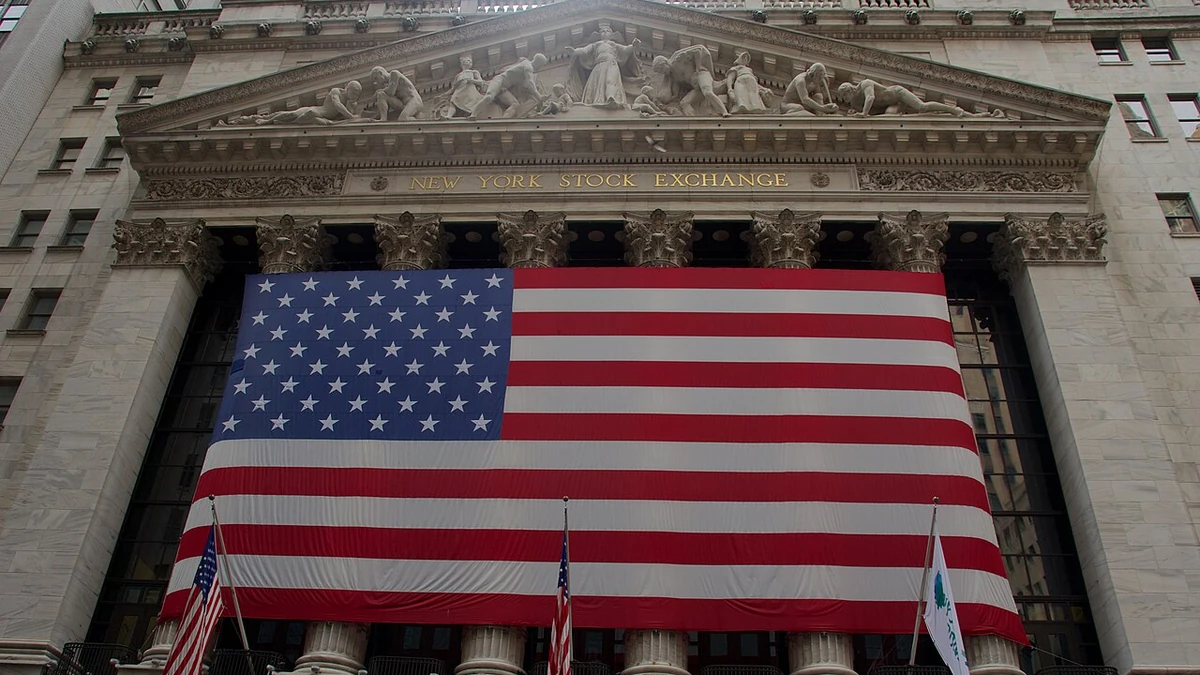
Swiss dental technology company vVARDIS Holding AG priced its U.S. initial public offering at $18 a share, setting a base sale of 9,722,223 Class A ordinary shares worth approximately $175 million before underwriting fees and other offering expenses. The Zug-based company said the shares were expected to begin trading Friday, November 13, on the New York Stock Exchange under the ticker VVVV.
The final price was below the $21-to-$24 range shown in the company’s earlier prospectus. vVARDIS also increased the number of shares being offered from a revised plan disclosed shortly before pricing, leaving the size of the sale close to $175 million despite the lower price per share.
How the $175 Million Offering Was Priced
At $18 for each of the 9,722,223 shares, the base offering amounts to $175,000,014 in gross proceeds. That figure is not the amount vVARDIS will ultimately retain: underwriting discounts, commissions and offering expenses must be deducted. The final share price is also distinct from whatever price the stock may command once regular exchange trading begins.
Underwriters have a 30-day option to purchase as many as 1,458,333 additional Class A shares at the IPO price to cover over-allotments, according to the company’s pricing announcement. Those shares would represent another approximately $26.25 million at $18 apiece if the option were exercised in full. The extra amount is contingent, so it is not part of the announced $175 million base offering.
The terms changed during the final stages of marketing. A November 6 prospectus outlined 9,523,810 shares at an estimated $21-to-$24 price. An amended registration statement dated November 12 reduced the proposed sale to 8,333,334 shares while retaining that price range. The final announcement then raised the share count to 9,722,223, but established a lower price of $18. Those figures describe successive versions of the proposal, not separate offerings.
The New York Stock Exchange’s corporate-actions calendar identifies VVVV as a vVARDIS initial public offering scheduled for November 13. Goldman Sachs and J.P. Morgan are joint bookrunning managers. William Blair, UBS Investment Bank and Deutsche Bank Securities are also bookrunners, according to the company’s announcement.
vVARDIS said its registration statement became effective on November 12. The offering is expected to close on or about November 16, subject to customary conditions. Pricing an IPO and completing its closing are separate steps; neither the announcement nor the indicated listing date establishes a subsequent trading price.
Curodont Sales Have Grown Quickly, but Losses Remain
The investment case centers on Curodont, a dental treatment platform developed for early-stage tooth decay. Its U.S. product, Curodont Repair Fluoride Plus, is applied by dental professionals and is intended to help manage early enamel lesions without drilling. That positioning concerns early cavities, not a replacement for conventional treatment of every stage of tooth decay.
vVARDIS was founded by dentists Haley Abivardi and Goly Abivardi, who serve as co-chief executives. The company launched Curodont commercially in the United States in January 2024 and says the products had been sold to more than 20,000 U.S. dental practices by June 30, 2026. It estimates that treatments using its products had reached more than 3.5 million teeth by that date. Those adoption figures are company estimates rather than an independent count of clinical outcomes.
According to the company’s SEC prospectus and financial disclosures, net revenue rose to $28.6 million in the first six months of 2026 from roughly $9.1 million a year earlier. The company reported an 86.4% gross margin for that half-year period, compared with 51.4% in the corresponding period of 2025. It attributed part of the improvement to lower unit manufacturing costs under a newer production process.
For the nine months ended September 30, management estimated revenue of $47.7 million to $49.2 million, compared with $22.3 million in the corresponding period of 2025. The estimate implies year-over-year growth of approximately 114% to 121%. vVARDIS said the increase was concentrated in the United States, including stronger demand from dental practices buying Curodont Repair Fluoride Plus repeatedly.
Profitability has not kept pace with sales. The prospectus put the expected nine-month net loss at $39.7 million to $41.3 million, versus $40.7 million a year earlier. It also estimated nine-month interest expense of $13.8 million to $14.1 million, up from $7.1 million. Higher gross profit was therefore being offset by the expenses of expanding the business and its financing costs.
These September figures were expressly described as preliminary. The filing said closing procedures were incomplete and Deloitte had not audited or reviewed the estimates. They should not be treated as final reported results, or as a forecast that the recent pace of growth will continue.
Distribution, Regulation and Founder Control
The prospectus also shows the risks involved in scaling the dental business. Henry Schein is a central distribution partner in the United States, where the company has granted it exclusive rights subject to performance conditions. vVARDIS said Henry Schein accounted for 72% of its sales in 2025, and warned that its distributors generally have no obligation to buy minimum quantities. Concentrated distribution gives the company access to dental practices but leaves sales exposed to decisions made by a small number of commercial partners.
Regulatory distinctions matter as well. The U.S. Curodont Repair Fluoride Plus formulation is marketed under the Food and Drug Administration’s over-the-counter anticaries drug monograph, with sodium fluoride as the active ingredient. vVARDIS stated in its filing that the product has not received a separate FDA approval through a new drug application or abbreviated new drug application. Its European Curodont Repair formulation is different and is regulated as a medical device in the markets where it is sold.
That framework allows the U.S. product to be marketed when it complies with the applicable monograph requirements, but it is not the same thing as an FDA product-specific determination of safety or efficacy through the application process. The company identifies possible changes in regulatory requirements, product claims and manufacturing compliance as business risks.
Public shareholders will also be entering a company with a multi-class ownership structure. The planned Class B voting-rights shares are held by the founders and give them substantial continuing influence over corporate decisions. The prospectus says this structure can limit the influence of investors purchasing Class A shares, including over the election of directors and potential changes in control.
vVARDIS intends to use its net IPO proceeds for general corporate purposes, including working capital, operating expenses and capital spending, rather than earmarking the entire amount for a single product or project. For the newly listed company, the immediate procedural milestone is the expected November 16 offering close. The next operating comparison will depend on the final September-period financial results, which had not yet been released in the prospectus.
More from Investing

Latest News
View all news- U.S. Producer Prices Rise 6.5% Annually in October, Fastest Pace Since November 2022
- U.S. Corn Export Sales Hit Marketing-Year High of 2.88 Million Tonnes
- Florida Man Pleads Guilty in $42 Million Medicare Fraud Scheme
- Dutch Mothers’ Employment Income Falls 33% After First Child, New Study Finds
- Danish Disposable Income Rose 4.5% in 2025, New Official Data Show
