
Powerhouse Parramatta Opens as A$915 Million Cultural Project Reaches Milestone
The new Western Sydney museum opens with five exhibitions, while the A$915 million budget also covers land, collection storage and digitisation.
Our editorial standards
MarketReview publishes clear, independently produced financial information using reliable sources and transparent editorial standards.
Read our Editorial Policy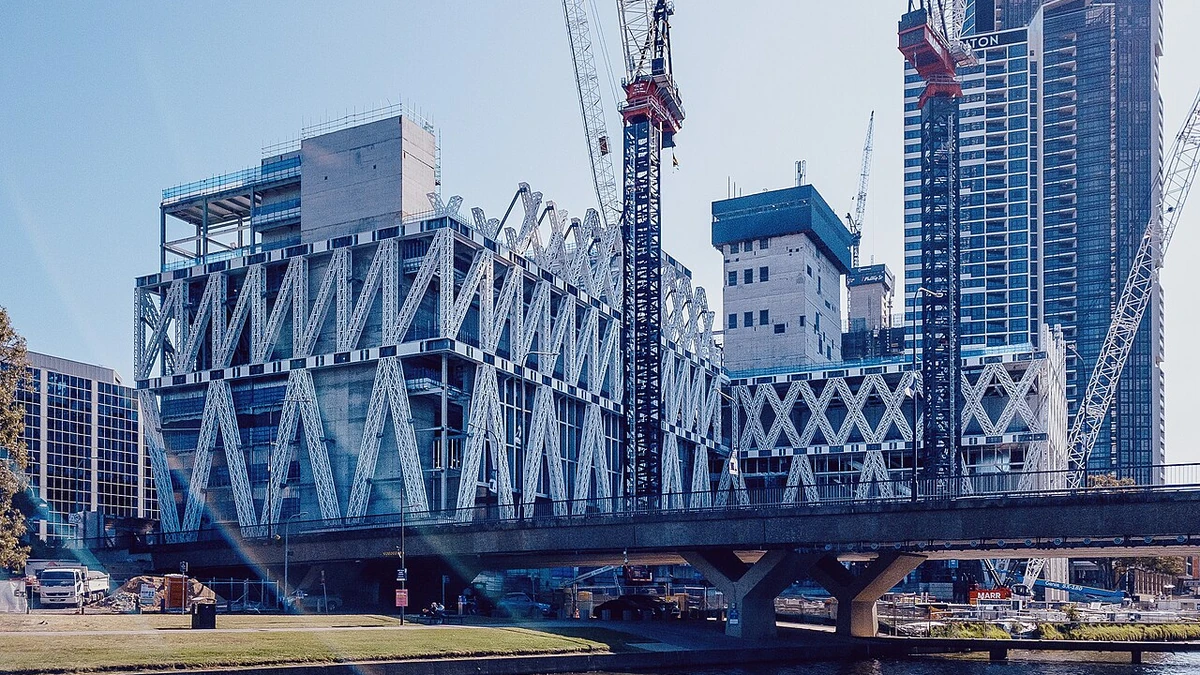
Powerhouse Parramatta opened to the public on Saturday, November 7, 2026, bringing a major state cultural institution to Western Sydney after years of planning and construction. The new museum stands beside the Parramatta River and anchors a New South Wales government infrastructure program budgeted at A$915 million.
The opening gives the region its first state cultural institution and a permanent home for exhibitions focused on applied arts, science, design and technology. Infrastructure NSW describes it as the largest museum ever built in the state. Five exhibitions are launching alongside a festival that runs through November 29, with most exhibition spaces accessible without a paid ticket.
The headline budget requires an important distinction. A$915 million is the cost of the wider Powerhouse Parramatta project, rather than a construction bill for the museum building alone. It includes the land purchase, a separate collection-storage facility and digitisation work, as well as the new riverfront museum and its exhibitions.
What the A$915 million project budget covers
The NSW government’s November 1 project update sets out four major budget components. The largest is A$660.1 million for delivery of Powerhouse Parramatta itself. That amount covers architectural fees, building works, fit-out, exhibitions, landscaping and public art. It is a much more precise measure of the museum delivery program than treating the full A$915 million as the price of its structure.
Another A$144 million relates to the Parramatta site, purchased in April 2019. The new storage facility at Castle Hill accounts for A$44 million and opened in March 2024, while A$66.9 million was allocated to collection digitisation completed in 2024. Together, these four components total A$915 million. The spending therefore extends beyond what visitors see when they enter the museum.
The distinction matters for assessing public investment. Exhibition buildings require substantial capital spending, but maintaining a large museum collection also involves storage, preservation and access to records. In August, the government described the digitisation and preservation effort as covering more than 371,000 collection objects. The Castle Hill facility serves a different purpose from the Parramatta galleries, even though both sit within the same overall program.
According to the government, the project was delivered on budget. That assessment was included in its statement published a week before the opening; the stated figures are the government’s project-budget breakdown, not an independently verified final audit of every cost. For readers comparing the scheme with other major public buildings, separating the A$660.1 million delivery allocation from the wider A$915 million program is essential.
Philanthropy is also part of the funding story. The project set a fundraising target of A$75 million, which Powerhouse had exceeded before opening. The NSW government said in August that A$80.28 million in contributions had been secured. That figure describes support for the project, not an additional amount that should be automatically added to the published A$915 million budget.
A major construction job with a local economic footprint
The museum’s most recognisable feature is its exposed steel framework, which supports the building from outside and helps create large exhibition areas without interior columns. French-Japanese architectural practice Moreau Kusunoki led the design, working with Australian firm Genton and engineering group Arup. Lendlease completed the main building works in April 2026, leaving the following months for exhibition installation and final preparations.
Infrastructure NSW says the external frame comprises more than 1,300 individual elements, including W-, X-, N- and A-shaped pieces that range from four to 20 metres tall. The construction used about 12,000 tonnes of structural steel and more than 13,000 square metres of external glass facade. The structure is not merely decorative: placing much of the support system outside gives curators more flexibility to install large objects and change exhibition layouts.
Construction also created an identifiable regional flow of work. More than 4,000 workers contributed roughly 2.7 million hours to the project, according to Infrastructure NSW. About three-quarters of the workforce came from Western Sydney, and more than A$329 million in contracts went to businesses in the region. The agency reports more than A$13 million of spending with First Nations suppliers.
Those contract and employment figures are evidence of economic activity during construction, rather than a guarantee of future tourism receipts. The government expects the finished museum to draw visitors to Parramatta, but sustained visitor numbers and spending will only become clear after the opening period. The transition from building site to operating institution changes how the project’s benefits can be measured.
The public spaces are part of that transition. The waterfront site includes a rooftop terrace and garden, while the building’s glass areas and connecting bridge have been designed to bring natural light into circulation spaces. Infrastructure NSW also describes the museum as an all-electric development intended to operate on renewable electricity. Its unusual engineering and public access provisions make the finished facility a civic project as well as a place for displaying collections.
Five exhibitions launch with a 23-day festival
The opening exhibitions contain more than 3,000 objects, including over 1,600 from the Powerhouse collection, with loans and contributions from elsewhere. Four exhibitions are free; the fifth, Task Eternal, requires a ticket for adults but is free for visitors under 16. That mix gives families access to much of the new institution without paying for every gallery, while reserving a separate ticketing model for the large aviation and space exhibition.
Task Eternal explores flight, engineering and space exploration. Its displays include an approximately 8,400-kilogram F-1 rocket engine and an Apollo-era test vehicle, alongside a light installation by artist James Turrell. The Mall examines shopping centres as places of architecture, commerce and social life, with a particular connection to Western Sydney. Its objects range from retail technology to clothing associated with Apple co-founder Steve Jobs.
The other three exhibitions broaden the subject matter. The Dark is an immersive experience developed for younger visitors, drawing on children’s curiosity and collections that include a pea specimen dating to 1882. Overflow examines water and the responsibilities of caring for it, with filmmaker Ivan Sen documenting work by seven First Nations organisations across NSW. Es Devlin: The Turning uses mirrors, light and installation art to create a different kind of encounter with the museum space.
The exhibitions are only part of the launch. The museum’s official opening-festival program runs from November 7 to November 29 and advertises more than 170 programs across talks, performances, workshops, food and music. The NSW government previously described the full festival schedule as 179 events, with 65% of events free. Its range is intended to give visitors reasons to return after their first visit to the galleries.
Advance demand was strong, though registrations should not be confused with attendance. In its November 1 update, the government said more than 22,000 people had registered for opening-weekend events, and Arts Minister John Graham said half the registrations were from Western Sydney. The figures measure interest before opening rather than the number of people who ultimately passed through the doors.
Powerhouse plans to operate seven days a week. During the festival, the published schedule extends evening hours to 9 p.m. from Thursday to Sunday, while Monday to Wednesday hours are 10 a.m. to 5 p.m. The festival continues through November 29, providing the first extended test of how the new building, exhibition program and riverfront public spaces function with visitors.
More News
Latest News
View all news- Berkshire Hathaway Reports Lower Q3 Operating Earnings, $9.6 Billion in Share Buybacks
- UK Announces New Satellite-Monitoring Trial Under £3 Billion Space Defence Programme
- Bank of Japan Releases Governor Ueda’s Analysis of Japan’s Current Account Surplus
- U.S. Consumer Sentiment Rises to 51.0 in November as Inflation Expectations Ease
- USDA Finalizes WIC Rule Allowing Online Grocery Orders and Digital Payments
