
U.S. Inflation Accelerates to 3.7% as Gasoline Prices Jump 9.1% in September
Gasoline accounted for more than half of September’s 0.6% monthly inflation increase, while core prices and shelter costs also rose.
Our editorial standards
MarketReview publishes clear, independently produced financial information using reliable sources and transparent editorial standards.
Read our Editorial Policy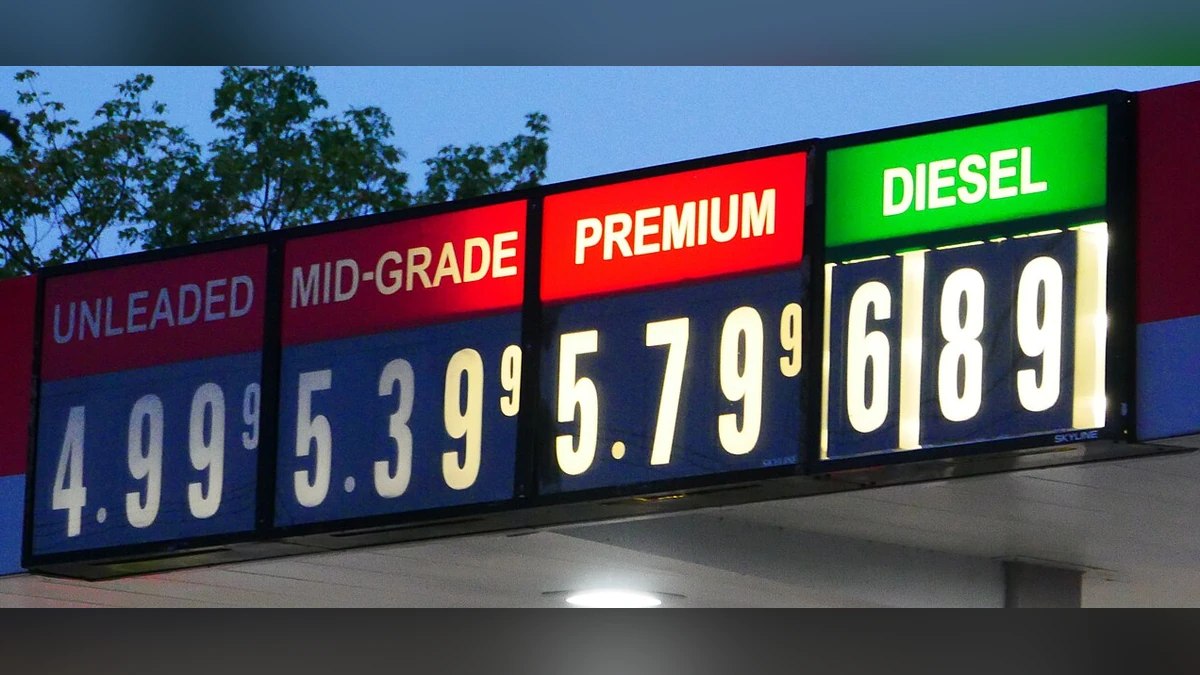
U.S. inflation accelerated in September as a steep increase in gasoline prices pushed consumer costs higher. The Consumer Price Index rose 3.7% from a year earlier, up from 3.4% in August, the Bureau of Labor Statistics reported Wednesday. Prices increased 0.6% over the month on a seasonally adjusted basis, compared with a 0.4% increase in August.
Gasoline prices climbed 9.1% in September and accounted for more than half of the monthly increase in the overall index. The rise put energy at the center of the latest inflation reading, although a separate measure excluding food and energy also strengthened from a year earlier.
The BLS September inflation report showed core consumer prices rising 0.3% for the month and 2.6% over 12 months. Annual core inflation had been 2.4% in August. The headline year-over-year rate is calculated from prices before seasonal adjustment, while the monthly figures cited in the report are adjusted for recurring seasonal patterns.
Gasoline accounts for most of the monthly acceleration
The gasoline index followed a 3.9% increase in August with September’s 9.1% advance. That pushed its 12-month increase to 34.2%, making fuel a much more expensive item in the consumer basket than it was a year ago. The broader energy index rose 5.2% for the month, after a 2.1% increase in August, and was 20.4% higher than in September 2025.
Other energy prices moved unevenly. Fuel oil rose 15.3% in September and 74.2% over the year, according to the BLS tables. Electricity increased 0.2% during the month, while the index for utility gas service declined 0.3%. Those differences help explain why the headline energy figure was smaller than the gasoline increase.
The 9.1% gasoline figure is the seasonally adjusted change in the BLS price index, not an increase in the price at every filling station or a rise measured in cents per gallon. Without seasonal adjustment, the gasoline index increased 6.5% in September. Regional pump prices and the amount individual drivers spend can differ from the national measure.
Food provided some relief in the same report. Its overall index was unchanged from August, with grocery prices down 0.1% and food away from home up 0.2%. Over the preceding 12 months, food prices increased 2.5%, including a 1.8% rise in food purchased for home consumption and a 3.5% increase for meals away from home. The contrast illustrates how the inflation surge was particularly concentrated in energy, rather than spread evenly across everyday purchases.
Shelter and services keep underlying inflation in focus
Removing food and energy from the calculation did not produce a flat reading. Core CPI increased 0.3% in September, matching August’s monthly pace, while its annual rate rose to 2.6% from 2.4%. The index for services excluding energy services advanced 0.4% during the month and 3.1% over the year. This shows that the gasoline surge was not the only area where consumer prices were moving higher.
Shelter costs rose 0.4% in September after increasing 0.3% in August. Within that category, the index for rent was up 0.2%, owners’ equivalent rent increased 0.3%, and lodging away from home climbed 2.0%. Shelter inflation reached 3.2% over the year. These components are important to the overall CPI because housing-related costs occupy a large share of household budgets and the index’s spending weights.
Several other categories recorded monthly gains. Used cars and trucks rose 0.7%, recreation increased 0.5%, education was up 0.6%, and airline fares climbed 1.2%. Apparel prices advanced 0.3%. The increases were not universal: communication prices fell 0.2%, and prescription drug prices declined 1.2%. The overall medical care index edged up 0.1%.
The September report therefore tells two different stories. Energy, especially gasoline, supplied the largest immediate push to headline inflation. At the same time, the firmer annual core reading and higher shelter costs suggest that price pressures cannot be assessed from fuel alone. A single month’s rise also does not establish how long the pressure will last. Further reports will be needed to show whether September’s changes persist or reverse.
Real earnings decline ahead of the Fed’s October meeting
The increase in consumer prices also reduced the purchasing power of average pay in September. In a separate release on Wednesday, BLS reported that real average hourly earnings for employees on private nonfarm payrolls fell 0.5% from August, seasonally adjusted. Average hourly earnings before adjusting for inflation rose only 0.1% over the same period. Real average weekly earnings also declined 0.5%, with the average workweek unchanged.
Compared with September 2025, real average hourly earnings for all private nonfarm employees were down 0.7%. The figures describe averages across the workforce, not the experience of every worker or household. For production and nonsupervisory employees, real average hourly earnings fell 0.6% during September, using the BLS wage-earner consumer price measure. That distinction matters because different worker groups and price indexes need not move by identical amounts.
The inflation report arrives after the Federal Reserve’s September 16 decision to raise its benchmark interest-rate target by a quarter percentage point to 3.75%–4.00%. The central bank said in its policy statement that inflation remained elevated and framed the increase as support for its 2% inflation goal. That goal is defined using the personal consumption expenditures price index rather than CPI, so Wednesday’s report is an important signal but not the Fed’s precise target measure.
Federal Reserve policymakers are scheduled to meet again on October 27–28. September’s data give them evidence of a large energy-driven increase alongside somewhat firmer underlying price growth, but the release itself does not determine what decision they will make. The next CPI report, covering October, is scheduled for November 10 at 8:30 a.m. Eastern time, after that Fed meeting.
More News


Latest News
View all news- OCC Report Finds Restrictive Banking Policies at Nine Major U.S. Banks
- Morgan Stanley Reports $20.3 Billion in Quarterly Revenue as Wealth Assets Grow
- Federal Reserve Researchers Examine Liquidity Risks as Retail Investors Enter Private Credit
- CMS Says Duplicate Health Insurance Subsidy Checks Could Save $1.5 Billion Annually
- BlackRock Assets Reach $15.5 Trillion After $205 Billion in Quarterly Net Inflows
