
Fed Takes Enforcement Action Against SouthPoint Bancshares, Ends Deutsche Bank FX Order
The Fed’s SouthPoint agreement tightens capital and cash-management oversight, while a separate 2017 Deutsche Bank foreign-exchange order has been terminated.
Our editorial standards
MarketReview publishes clear, independently produced financial information using reliable sources and transparent editorial standards.
Read our Editorial Policy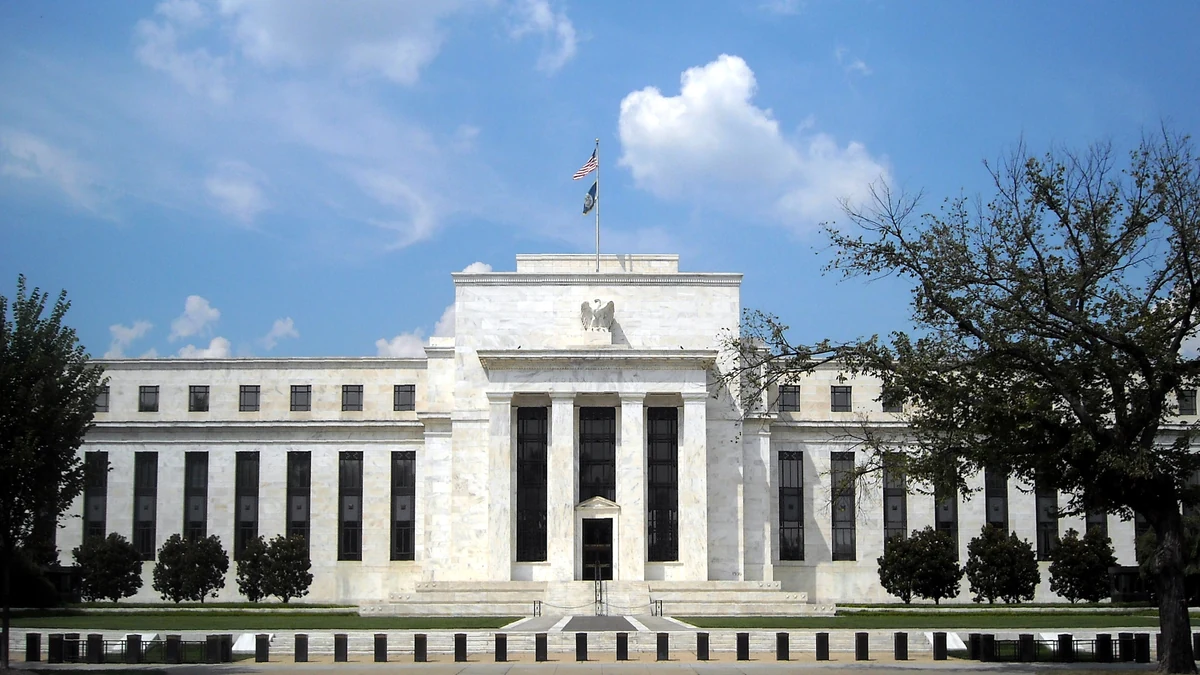
The Federal Reserve has entered into a new written agreement with SouthPoint Bancshares, the Birmingham, Alabama-based parent of SouthPoint Bank, while separately terminating a nearly decade-old enforcement order against Deutsche Bank tied to foreign-exchange trading controls.
The two actions move in opposite supervisory directions. SouthPoint now faces tighter requirements around capital planning, cash flow, dividends, debt and support for its bank subsidiary. Deutsche Bank, by contrast, is no longer subject to the specific 2017 Federal Reserve cease-and-desist order covering foreign-exchange compliance and controls.
The Fed announced both actions on August 20. Its notice says the SouthPoint agreement was dated August 14, while the Deutsche Bank order was terminated on August 13. The current notice does not impose a monetary penalty on SouthPoint or a new penalty on Deutsche Bank.
SouthPoint must strengthen capital planning and support for its bank
SouthPoint Bancshares entered the written agreement with the Federal Reserve Bank of Atlanta and the Alabama State Banking Department after an offsite review identified deficiencies at the holding company. The agreement also points directly to a November 2025 consent order that the Federal Deposit Insurance Corporation and Alabama regulators had already imposed on SouthPoint Bank.
That earlier bank-level FDIC consent order described weaknesses involving management, asset quality, capital, earnings and liquidity or funding. The new holding-company agreement does not simply repeat those requirements. It places obligations on the parent company to use its financial and managerial resources as a source of strength for SouthPoint Bank and to help ensure the bank complies with the existing regulatory order.
Within 60 days of the new agreement, SouthPoint must submit an acceptable written capital plan to the Atlanta Fed and Alabama regulator. The plan has to assess current and expected sources and uses of capital, evaluate the bank’s capital position in light of adversely classified credits, credit-loss allowances, asset growth, earnings and risk, and include an action plan for raising additional capital or taking other steps if needed. It must also include a contingency plan addressing short-term and long-term capital needs at both the holding company and the bank.
The parent must separately provide cash-flow projections covering debt service, operating expenses and other uses. For 2026, that projection is due within 60 days. For later years, the company must provide a new projection at least one month before the start of each calendar year.
The agreement also puts immediate restrictions on capital distributions. SouthPoint may not declare or pay dividends, repurchase shares or make other capital distributions without prior written approval from its supervisors and the Federal Reserve Board’s director of supervision and regulation. The same prior-approval requirement applies to incurring, increasing, prepaying or guaranteeing debt.
Those controls sit on top of the bank-level requirements already contained in the FDIC consent order. Among other provisions, that order set capital targets, required improvements in credit-risk management and asset quality, imposed liquidity and funding requirements, and required a plan for reducing adversely classified assets. The parent-level Fed agreement therefore adds another layer of oversight focused on whether the holding company can support the bank financially and manage its own cash and capital obligations.
SouthPoint must also file quarterly progress reports describing the actions it has taken to comply with the agreement. The reports are due within 45 days after the end of each calendar quarter and must include parent-company financial statements.
Fed ends a specific 2017 Deutsche Bank foreign-exchange order
The Deutsche Bank action is narrower than the original supplied headline suggests. The Fed did not announce the termination of all Deutsche Bank orders. It terminated one specific cease-and-desist order from April 20, 2017 involving Deutsche Bank AG, DB USA Corporation and Deutsche Bank AG New York Branch.
That 2017 order arose from the Fed’s investigation into Deutsche Bank’s foreign-exchange business. The regulator said the bank had deficient governance, risk management, compliance and audit policies covering foreign-exchange activities during a review period from October 2008 through October 2013. It also found that some traders communicated with traders at other institutions through electronic chatrooms and that the bank’s controls failed to detect and address unsafe or unsound conduct.
The order required Deutsche Bank to strengthen senior-management oversight, internal controls, compliance-risk management and internal audit processes for designated market activities. It also required annual control reviews and ongoing reporting to the Federal Reserve Bank of New York.
The Fed assessed a $136.95 million civil money penalty as part of that foreign-exchange order. On the same day in 2017, the Board announced a separate $19.7 million penalty over deficiencies in Deutsche Bank’s Volcker Rule compliance program, bringing the combined penalties announced that day to $156.6 million. Thursday’s 2026 notice identifies only the foreign-exchange cease-and-desist order as terminated.
That distinction matters because Deutsche Bank has been subject to other Federal Reserve enforcement actions that are separate from the FX order. In 2023, for example, the Board announced a $186 million penalty and a consent order tied to insufficient remedial progress under earlier sanctions and anti-money-laundering orders, along with a separate written agreement addressing broader governance, risk-management and control deficiencies. The August 20 notice does not state that those actions were terminated.
The Fed also did not provide a separate explanation in Thursday’s notice for why the 2017 FX order was terminated. The safest reading is therefore limited: the April 2017 foreign-exchange enforcement order is no longer in effect as of August 13, 2026. The notice does not support a broader claim that Deutsche Bank has been released from all Federal Reserve supervisory obligations.
The two actions send different supervisory signals
For SouthPoint, the new agreement increases direct oversight of the holding company and ties its capital and cash-management decisions more closely to the condition of SouthPoint Bank. The immediate restrictions on dividends, share repurchases and new debt are particularly important because they limit the parent company’s ability to move capital out of the organization or take on additional obligations without regulatory approval.
The agreement also makes the parent company’s role explicit. Under the source-of-strength requirement, SouthPoint Bancshares is expected to use its financial and managerial resources to support the bank, including taking steps such as raising capital if the bank’s condition requires it. That does not mean a capital raise has already been ordered or announced. It means the holding company must demonstrate that it has a credible plan and resources to support the subsidiary under the regulatory framework.
For Deutsche Bank, the termination removes an old, specific supervisory order tied to conduct and control failures in foreign-exchange markets. It does not erase the historical findings or the penalty that was paid, and it should not be read as a termination of unrelated enforcement actions.
The next concrete deadlines are on SouthPoint’s side. Its capital plan and 2026 cash-flow projection are due within 60 days of the August 14 agreement, while quarterly compliance reports must follow within 45 days after each quarter-end. Those submissions will give the Atlanta Fed and Alabama regulators the next formal checkpoints for assessing whether the holding company is meeting the new requirements.
More from Banking

Latest News
View all news- USDA Releases October Crop Supply and Demand Estimates for Global Grain Markets
- U.S. Consumer Sentiment Falls to 46.3 as Inflation Expectations Rise
- Swiss-Ukraine Reconstruction Agreement Takes Effect, Opening Procurement Route for Swiss Firms
- U.S. Commerce Department Finalizes South Korean Hot-Rolled Steel Subsidy Review
- Treasury Names Judy Shelton Counselor on Currency Policy, With China Focus
