



Start with the payment you can actually make
The longest introductory period is not automatically the best balance-transfer offer. Start with the amount you need to move, add the transfer fee, and work backward from a payoff date that fits your budget. A card that gives you 21 months can lower the monthly amount required to finish on time, while a shorter offer can still be cheaper if its transfer fee is meaningfully lower and you can comfortably make the larger payment.
Minimum payments are not a useful payoff target for this purpose. They are the amount required to keep the account current, not a promise that the transferred balance will disappear before the promotional rate ends. Divide the balance you expect to owe after the transfer fee by the number of promotional months, then build some margin into the result so one unusually expensive month does not push the payoff beyond the deadline.
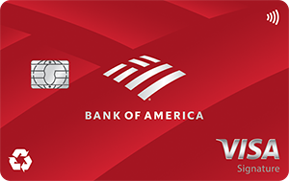
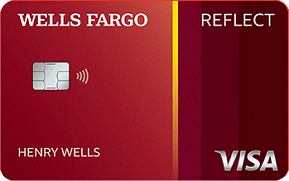
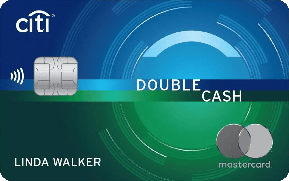
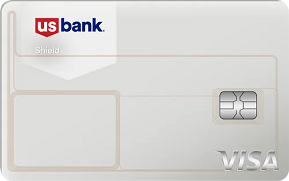
The five cards on this page illustrate the trade-off. BankAmericard, Wells Fargo Reflect and U.S. Bank Shield provide particularly long introductory financing, while PenFed Gold gives up some of that time in exchange for a lower transfer fee. Citi Double Cash sits between those approaches and adds a rewards structure that can remain useful after the balance is gone. The right choice depends on the payoff schedule, not on which issuer prints the largest number next to 0% APR.
A longer 0% period can cost more upfront
Balance-transfer fees deserve the same attention as the promotional APR because the fee is part of the cost of moving the debt. A 0% rate can still come with a fee equal to several percent of the amount transferred. That charge raises the balance you need to repay before the introductory period is over, so comparing cards only by the number of interest-free months can hide a meaningful difference in total cost.
PenFed Gold currently charges a 3% balance-transfer fee, while BankAmericard, Wells Fargo Reflect and U.S. Bank Shield charge 5% under the offers we verified. On a $10,000 transfer, that is $300 versus $500, a $200 difference before any interest enters the calculation. The 5% card can still be the better choice if the longer runway is what makes the payoff affordable, but the extra months are not free.
This is why the cheapest offer changes with the size of the balance and the speed of repayment. Someone who can clear the debt within 15 months may have little reason to pay more for a 21-month window. Someone who needs close to two years may reasonably accept the higher fee because finishing inside the 0% period can be more valuable than saving on the initial transfer charge and then carrying a balance at the regular APR.
The transfer deadline is separate from the 0% period
A balance-transfer offer usually has two clocks. One determines how long the promotional APR lasts, while the other determines how soon after opening the account you must make or request the transfer to qualify. Missing the second deadline can leave you with a new credit card but without the financing terms that made the application worthwhile.
The deadlines on our current picks are not identical. BankAmericard, PenFed Gold and U.S. Bank Shield require qualifying transfers within the first 60 days, Wells Fargo Reflect gives 120 days, and Citi Double Cash gives four months for transfers to receive its introductory terms. Reflect therefore has a practical advantage for someone who wants more time to organize multiple balances, even though several cards compete closely on the length of the promotional APR itself.
Do not treat the transfer window as a reason to delay unnecessarily. Once the new account is available, confirm which debts are eligible, submit the transfer using the issuer's instructions and keep records of the request. A promotional period is most useful when as much of it as possible is spent reducing principal rather than waiting to move the debt.
Think twice before putting new purchases on the transfer card
A balance-transfer card is easiest to manage when it has one job: paying down the transferred debt. New purchases can create a second balance with different interest rules, and a 0% rate on the transferred amount does not automatically mean purchases receive the same treatment. Citi Double Cash, for example, currently offers its introductory 0% APR on qualifying balance transfers but not on purchases.
There is another reason to be careful. The Consumer Financial Protection Bureau notes that on many cards, carrying a promotional transferred balance can affect the grace period for new purchases. If the purchase side of the account is accruing interest, rewards from new spending can be overwhelmed by financing charges even while the transferred balance itself remains at 0%.
Several cards on our list also offer an introductory purchase APR, which reduces that particular concern during the promotional window, but mixing spending with a payoff plan can still make progress harder to see. If the purpose of opening the account is debt reduction, keeping routine purchases on a separate card that you pay in full can make the monthly target much clearer. The rewards on a card such as Citi Double Cash become more relevant after the transferred balance has been eliminated.
Keep paying the old card until the transfer is complete
Submitting a transfer request does not erase the old balance immediately. Processing time varies, so continue making at least the required payment to the existing creditor until the transfer has posted and the old account shows the expected reduction. Missing a payment because you assumed the transfer was already complete can create a late fee, damage the account history or interfere with promotional terms before the new payoff plan has even started.
Also check whether the debt can be moved to the issuer you chose. Many issuers do not allow you to transfer balances between cards they issue themselves or from certain affiliated accounts. Citi states that balances from Citibank or its affiliates cannot be moved to Citi Double Cash, and U.S. Bank similarly excludes transfers from other U.S. Bank National Association accounts. The restriction is easy to overlook when two cards have otherwise attractive terms.
Your approved credit line can also determine how much debt actually moves. Approval for the card does not guarantee enough available credit to absorb every balance you wanted to consolidate, so have a plan for any amount that remains behind. If only part of the debt transfers, keep both accounts current and direct extra payments according to the interest rates and deadlines that now apply.
Plan for the regular APR before you need it
The promotional period should be treated as a deadline, not as permission to postpone the debt. When a standard 0% introductory APR ends, any remaining promotional balance begins accruing interest at the applicable ongoing rate. Unlike a deferred-interest retail promotion, a standard 0% introductory APR generally does not add interest retroactively for the months when the promotional rate was in effect, but the remaining debt can still become expensive quickly once the regular APR takes over.
That makes the post-intro APR important even if your goal is to pay the balance in full beforehand. The regular rates on balance-transfer cards can be much higher than the promotional rate, and the exact rate you receive can depend on creditworthiness or the product's pricing structure. Our Compare view shows the current ongoing terms because a plan with no margin for error is more fragile when the rate after the promotion is high.
If the payoff schedule starts slipping, respond early rather than waiting for the final statement of the promotional period. Reduce optional spending, redirect windfalls when appropriate or adjust the monthly target while there is still time for smaller changes to matter. Opening another balance-transfer card near the deadline can create another fee and another application without solving the reason the first balance was not cleared.
Decide what you want the card to become after payoff
The value of a balance-transfer card changes once the transferred debt reaches zero. A simple financing card can still be worth keeping when it has no annual fee and you want to preserve the available credit, but it may not deserve much everyday spending. A rewards card can have a clearer second life if its earning structure fits purchases you were already making and you can return to paying the statement balance in full.
Citi Double Cash is the clearest example in this group because its ongoing cash-back structure can be useful after the 18-month transfer offer has done its job. U.S. Bank Shield takes a different approach, combining long introductory financing with limited cash-back and account benefits. BankAmericard, PenFed Gold and Wells Fargo Reflect are more focused on financing, which is not a weakness when reducing interest is the main reason for opening the account.
Do not let the post-payoff question distort the initial decision. Saving hundreds of dollars in financing costs can matter more than earning rewards later, especially on a large balance. Treat ongoing rewards and benefits as a tie-breaker after the transfer fee, promotional length, transfer deadline and realistic payoff payment have already passed the test.
When a balance transfer may not solve the problem
A balance transfer changes the price and location of debt, but it does not change the amount of spending that created the balance. If the household budget is still producing new credit-card debt each month, moving an old balance to 0% can create temporary relief while a second balance begins growing elsewhere. In that situation, the first priority is closing the monthly gap rather than finding another promotional offer.
The math can also fail when the transfer fee is larger than the interest you are likely to avoid. A small balance that can be paid off quickly on the existing card may not justify a 3% or 5% transfer charge. At the other extreme, a balance that is too large to repay during the promotional period can leave you exposed to a high regular APR after paying the transfer fee upfront.
Other options can be worth comparing before applying. An existing creditor may be willing to discuss a lower rate or different payment arrangement, while a fixed-rate debt-consolidation loan can provide a different payoff structure when its total cost is competitive. Someone struggling to make minimum payments can also consider speaking with a reputable nonprofit credit counselor rather than treating another credit line as the only available solution.
Turn the promotional period into a fixed payoff schedule
Once the transfer posts, set a monthly payment based on the date you want the balance gone rather than the issuer's minimum. Automating at least the required payment can reduce the risk of an accidental late payment, but the planned payoff amount should be much larger when the goal is to use a limited 0% period efficiently. Check the statement each month to make sure the promotional balance is falling at the pace you expected.
Build the schedule with a small cushion. Planning to finish one or two billing cycles before the promotional period expires gives you room for an unexpected expense, a payment timing issue or a month when cash flow is tighter than usual. If you finish early, the unused promotional time costs nothing; if you aim for the final possible day, a small disruption can leave part of the balance exposed to the regular APR.
Most of the benefit from a balance transfer comes from behavior after approval. The issuer provides a temporary financing window, but the savings only become permanent when the principal actually declines. A good card makes that window affordable enough to use, and a good payoff plan makes sure the debt does not simply survive until the next promotion.
What separated the strongest balance-transfer offers
For this list, the central question was how much useful payoff runway a card provides after accounting for the cost of moving the debt. We compared introductory balance-transfer periods, transfer fees, qualifying transfer deadlines, annual fees and the regular APR that can matter if a balance survives the promotion. A long 0% period received less credit when the transfer itself was materially more expensive or the offer imposed a tighter practical constraint.
We also looked for distinct reasons to choose each card rather than filling the table with near-identical 21-month offers. That is why the final group includes a lower-fee option, a card with a longer transfer deadline and cards that remain more useful after payoff alongside the longest financing offers. Rewards and secondary benefits mattered only after the debt-payoff economics were strong enough to justify the card in the first place.