Virginia Restricts SNAP Spending on Soda and Certain Energy Drinks
The Nov. 1 rule blocks SNAP payments for soda, diet soda and certain carbonated energy drinks, while leaving benefit amounts and other food purchases unchanged.
Our editorial standards
MarketReview publishes clear, independently produced financial information using reliable sources and transparent editorial standards.
Read our Editorial Policy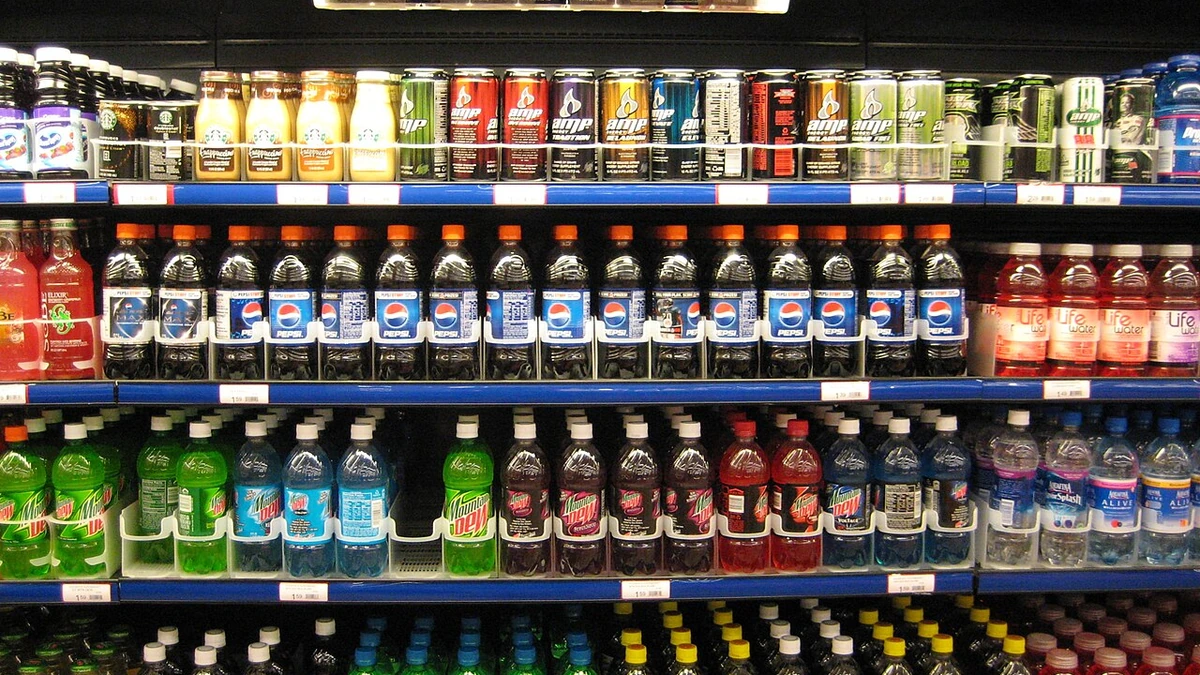
Virginia began restricting purchases of soda, diet soda and certain energy drinks with Supplemental Nutrition Assistance Program (SNAP) benefits on Nov. 1, 2026. The federally approved change applies to purchases at SNAP-authorized retailers across the state, including eligible online orders, but it does not prohibit stores from selling the affected beverages.
For households, the change affects which drinks can be paid for with an Electronic Benefit Transfer (EBT) card, not how much assistance they receive. Virginia says SNAP eligibility, monthly benefit amounts and payment schedules remain the same. People who want to buy a restricted drink can still pay for it with money outside the SNAP program.
Sugar content alone does not determine which beverages are excluded. Some zero-sugar fizzy drinks are excluded, while several sweetened drinks without carbonation remain eligible, making product classification an important part of the rule for both households and stores.
The restriction covers diet soda as well as sugary drinks
The Virginia Department of Social Services lists regular soda, diet soda, zero-sugar soda and carbonated energy drinks among the products that can no longer be purchased with SNAP. Its guidance for SNAP households also identifies carbonated beverages with five grams or more of added sugar per serving as restricted items. Retailer instructions address drinks made with carbonated water and flavored or sweetened with added sugar or artificial sweeteners.
That makes the label on a bottle potentially misleading as a guide to SNAP eligibility. A diet soda is not exempt simply because it has no sugar, and Virginia says so-called probiotic or better-for-you sodas are still treated as soda. Milk- or yogurt-based probiotic beverages, by contrast, remain eligible under the state’s instructions.
Many familiar drinks are unaffected. Noncarbonated energy drinks can still be bought with SNAP, as can lemonade, iced tea, iced coffee, fruit juice, sports and hydration drinks, and unsweetened seltzer. Plain or naturally flavored sparkling water is not part of the restricted category. A noncarbonated drink does not automatically become ineligible because it tastes sweet.
Virginia also continues to allow eligible purchases of milk and plant-based alternatives, infant formula, nutritional shakes and meal-replacement drinks. The policy is limited to specified beverages rather than a broader change to SNAP-covered groceries. State officials say no food category is being removed from eligibility by this update.
Similar-looking products can receive different treatment on a mixed beverage shelf. A carbonated energy drink and a noncarbonated energy drink may be marketed for similar purposes but receive different SNAP treatment. Likewise, a regular soda and an unsweetened sparkling water may both be fizzy without falling on the same side of the new rule.
Stores must separate eligible and ineligible purchases at checkout
For shoppers, the checkout process is intended to remain familiar. A store’s payment system should reject an ineligible beverage when SNAP is selected, while allowing covered groceries to be paid for normally. Customers can still buy the excluded beverage in the same visit by using cash, a debit card or another non-SNAP payment method for that item.
There is no new application for benefits and no additional action required from SNAP households to activate the restriction. The state says the necessary changes are handled through retailers’ systems. If a restricted drink is mistakenly charged to SNAP, Virginia’s guidance places responsibility for correcting the error on the retailer rather than penalizing the customer.
Stores have a substantial administrative role. Virginia requires SNAP-authorized retailers to update point-of-sale software, their records of which products qualify and relevant employee training. The state has offered guidance and a list of commonly affected Universal Product Codes, although it cautions that no list can identify every product as beverage lines and packaging change.
Online SNAP orders are covered, too. Retailers are responsible for properly identifying restricted products even when a customer places an order through a third-party service such as Instacart or DoorDash. Virginia says retailers bear the costs of the system changes and staff training needed to comply.
State guidance also makes clear that the location of the purchase matters. Someone using an EBT card issued by another state cannot buy the restricted beverages with SNAP at a Virginia retailer. Virginia cardholders can continue using their cards when traveling, but purchases in another state are subject to that state’s rules. The Virginia Restaurant Meals Program is not affected by this beverage update.
Retailers that fail to comply could ultimately face consequences for their authority to accept SNAP, including referral to federal officials. Virginia says it will consider good-faith efforts and provide compliance support before treating a retailer as noncompliant. The restriction therefore relies heavily on accurate product coding rather than a change in what stores may stock.
Virginia is testing a narrower SNAP purchasing rule
Virginia’s policy operates through a federal demonstration waiver, not a nationwide rewrite of SNAP eligibility. The U.S. Department of Agriculture initially approved the state’s request in December 2025, and the implementation schedule was subsequently revised. The current Nov. 1 effective date appears on the agency’s state-by-state food restriction waiver listing.
The experiment is intended to test whether changing the eligible beverage list affects nutrition and purchasing behavior among SNAP households. That purpose should not be confused with a demonstrated result: the state has only begun enforcing the restrictions, and any claim about improved health outcomes would require evidence gathered after implementation. Federal officials have said they will evaluate the project using information supplied by the state and other available data.
A preview of USDA’s notice of approval reports 30 public comments on Virginia’s proposal, most of them opposed. Those comments raised concerns about household choice, possible confusion for customers and stores, and how the project would measure health and nutrition effects. Supporters argued that restricting the purchases would better align SNAP spending with the program’s nutrition objectives. The agency decided to proceed with the waiver.
Virginia is one of several states using federal permission to apply their own SNAP food restrictions. The categories vary: some states’ waivers also exclude candy or prepared desserts, while Virginia’s Nov. 1 change focuses on specified carbonated beverages. A rule announced in one state should not be assumed to apply to every SNAP purchase nationwide.
Virginia also operates Fresh Match, a separate program that doubles the value of SNAP benefits spent on fruits and vegetables at participating locations. It is an incentive for produce purchases rather than a restriction, and the new beverage rules do not alter that benefit.
Virginia says it plans to study the experience of households affected by the change through surveys of randomly selected SNAP participants. An initial survey was scheduled for October 2026, with additional rounds expected about six to 12 months after implementation, potentially in May or November 2027. Those responses should provide information about the policy’s effects beyond the immediate change at the checkout counter.
More News
Latest News
View all news- Treasury Sets 5.51% Rate for Newly Issued Series I Savings Bonds
- Oklahoma Overhauls Licensing Rules for Money Transmission Businesses
- Federal Sentencing Guidelines Update Financial Penalties for Economic Crimes
- South Korea Reports October Exports of $115.28 Billion, Up 93.7%
- UK Clarifies VAT Rules for Public and Workplace EV Charging