
USDA Finalizes WIC Rule Allowing Online Grocery Orders and Digital Payments
States can authorize online WIC purchases and new digital payment methods, but families will not see the same rollout schedule everywhere.
Our editorial standards
MarketReview publishes clear, independently produced financial information using reliable sources and transparent editorial standards.
Read our Editorial Policy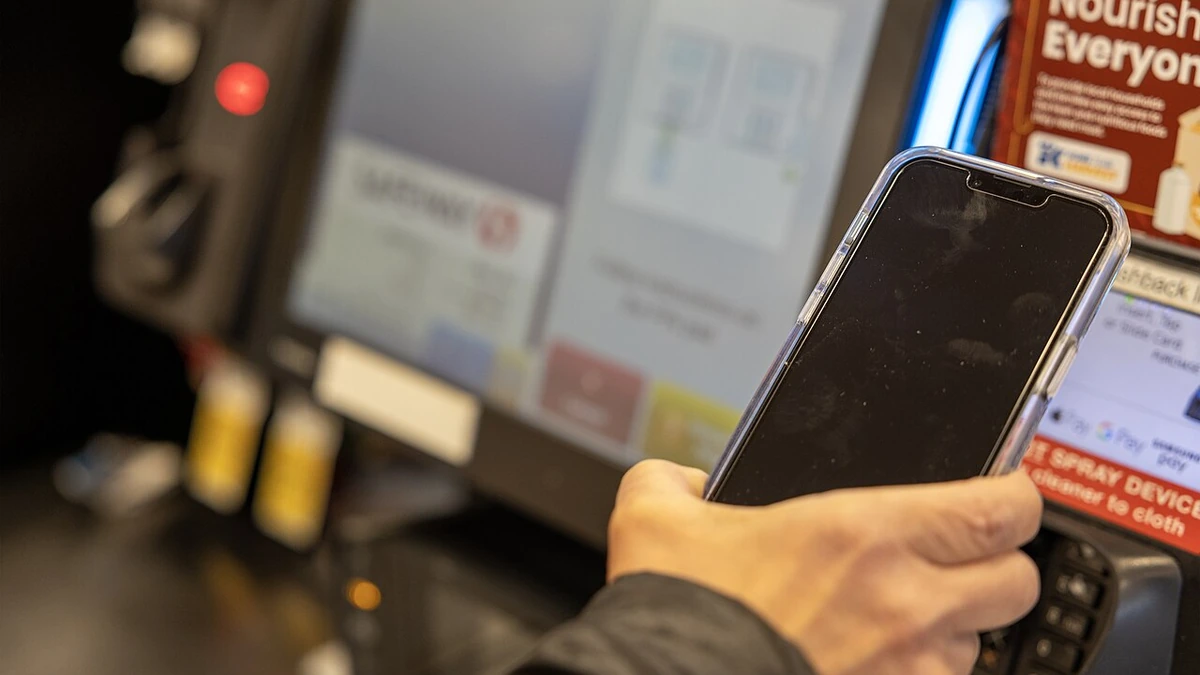
The U.S. Department of Agriculture has finalized a rule clearing the way for online grocery purchases and internet-based payments in the Special Supplemental Nutrition Program for Women, Infants, and Children, commonly known as WIC. The changes remove federal restrictions that have prevented state agencies from treating online sellers and digital checkouts like other authorized ways to redeem WIC benefits.
Published in the Federal Register on November 6, the rule takes effect December 7, 2026. It does not establish a nationwide launch date for online WIC shopping. States will decide whether to authorize internet vendors and how quickly their retailers and payment systems can support the new options.
That difference matters for the families who rely on the program. WIC served an average of 6.9 million people per month in fiscal 2025, according to figures cited in the USDA final rule. The new regulations address how participants obtain and pay for approved foods; they do not create a new cash benefit or expand the list of foods a participant is entitled to receive.
Online orders no longer have to end at a store checkout
Until now, several requirements governing WIC purchases were built around a physical checkout. They included provisions requiring a signature or a personal identification number to be entered in the presence of a cashier, as well as a definition of authorized vendors tied to a single fixed location. Those rules made it difficult to complete an online grocery purchase using WIC benefits, even where ordering services were already common.
The final rule removes those obstacles. A participating retailer can offer online ordering with WIC payment completed through its website or app, provided the state agency has authorized that arrangement and the purchase meets program requirements. USDA distinguishes online ordering from internet-based payment: an order can be placed online and paid for at pickup or delivery, while an internet-based payment completes the WIC portion of the purchase during online checkout.
The regulation also recognizes internet and mobile vendors as distinct types of authorized sellers. Internet vendors must be separately authorized even when they are affiliated with physical grocery stores. A retailer may fulfill online orders from stores, warehouses or other locations, and a state may authorize an online operation serving its jurisdiction as a single vendor when it meets the applicable standards.
The change does not eliminate screening of sellers or restrictions on eligible food. States remain responsible for authorizing vendors, maintaining access to approved WIC foods and monitoring compliance. USDA also retained minimum stocking requirements rather than adopting a proposal that could have made it easier to authorize specialty sellers carrying a narrower range of foods.
Security requirements remain in place even though checkout methods can change. PINs remain the default way to authenticate electronic WIC payments. A state seeking another method must obtain written USDA approval and maintain appropriate safeguards. The department has said it expects more detailed technical guidance as states and their payment partners develop new systems.
Delivery fees and missing groceries have separate rules
Online shopping may reduce the need for in-person grocery trips, particularly for households facing transportation or mobility challenges. It does not guarantee free delivery. USDA says vendors cannot charge WIC state agencies for fees associated with a purchase, including delivery, service, convenience or bag fees. Participants must be able to pay applicable fees with a different payment method instead of using their WIC food benefits.
States can use funds outside the federal WIC program to cover such charges when the funding source permits it. Federal WIC funds cannot pay those retail-shopping fees. As a result, the cost of delivery or another service may still affect whether an online order is practical for a particular household, even after an approved retailer begins accepting WIC online.
The rule separately addresses what happens when an order is not fulfilled as expected. If a participant pays for an eligible item that is missing or incorrectly supplied, the retailer will be able to restore electronic benefits to the participant’s balance under the new framework. USDA broadened this provision beyond internet purchases after commenters raised concerns about treating in-store and online purchases differently.
Where the return-of-benefits requirement applies, a retailer must restore benefits immediately for an in-person return. For an order not fulfilled correctly, or an item returned after delivery, the retailer must process the benefit return within two business days after receiving the returned item or being notified of the problem. States that authorize internet vendors must make benefit returns available across their other authorized vendor types as well.
Restoring electronic benefits is not the same as providing cash back. Ordinary cash or store-credit refunds for WIC foods remain prohibited, subject to the rule’s separate provisions for recalled products. Returned benefits generally remain available within the original benefit period. States may also permit their use for up to seven days beyond the normal last date of use, but that extension is optional.
State systems and retailers face a phased transition
USDA is replacing a patchwork of temporary waivers with permanent federal authority. The department says 22 WIC state agencies received subgrants to pursue online-shopping projects, and some states and retailers have already tested online ordering or mobile payments. The new rule supersedes applicable online-shopping and mobile-payment waivers when it becomes effective, giving agencies a regulatory basis for continuing and expanding those efforts.
Much of the work will still occur outside Washington. State agencies and retailers may need to change electronic benefit transfer systems, vendor agreements, shopping platforms and procedures for checking that purchases are legitimate. USDA acknowledged that some state systems cannot yet support online payments or return benefits electronically. It therefore declined to require all agencies to introduce the same new technology on a single timetable.
The rule is effective December 7, but USDA gave states until February 4, 2027, to implement the generally applicable policy and procedural changes. Requirements governing the return of electronic benefits have a longer deadline, November 6, 2028, to allow updates to state benefit systems and retailer software. Agencies can adopt eligible provisions earlier after the effective date.
Other revisions are intended to reduce paperwork as WIC becomes more digital. States may mail electronic benefit cards and issue benefits remotely if they have procedures to verify that cards reach the intended recipients. When electronic payment records are available, states can use them instead of collecting separate shelf-price information for certain vendor price checks. USDA retained annual federal reporting rather than adopting a quarterly reporting option that drew objections.
The department also declined to finalize proposed federal staffing standards and a new required customer-service coordinator position, leaving states more discretion over how to manage the changes. USDA has invited further comments on the final rule, including the effects on state information systems, electronic benefit processors and retailers. The comment window closes January 5, 2027, as agencies begin preparing for the first implementation deadline.
More News


Latest News
View all news- UK Public Service Productivity Grows 0.3% Over the Year to June, ONS Reports
- U.S. Economy Adds 165,000 Jobs in October as Unemployment Rate Slips to 4.1%
- Norwegian Banks’ Net Interest Income Falls Through Third Quarter as After-Tax Profit Reaches NOK 69.4 Billion
- Japanese Investors Buy ¥1.31 Trillion in Foreign Long-Term Bonds, Reversing Selling Streak
- Humana Raises 2026 Adjusted Earnings Outlook to at Least $9.50 a Share
