U.S. Treasury Targets Global Drug-Trafficking Networks With Asset-Blocking Sanctions
The sanctions target the Comancheros, the ’Ndrangheta, 14 individuals and four Canadian businesses, with a limited wind-down period for the companies.
Our editorial standards
MarketReview publishes clear, independently produced financial information using reliable sources and transparent editorial standards.
Read our Editorial Policy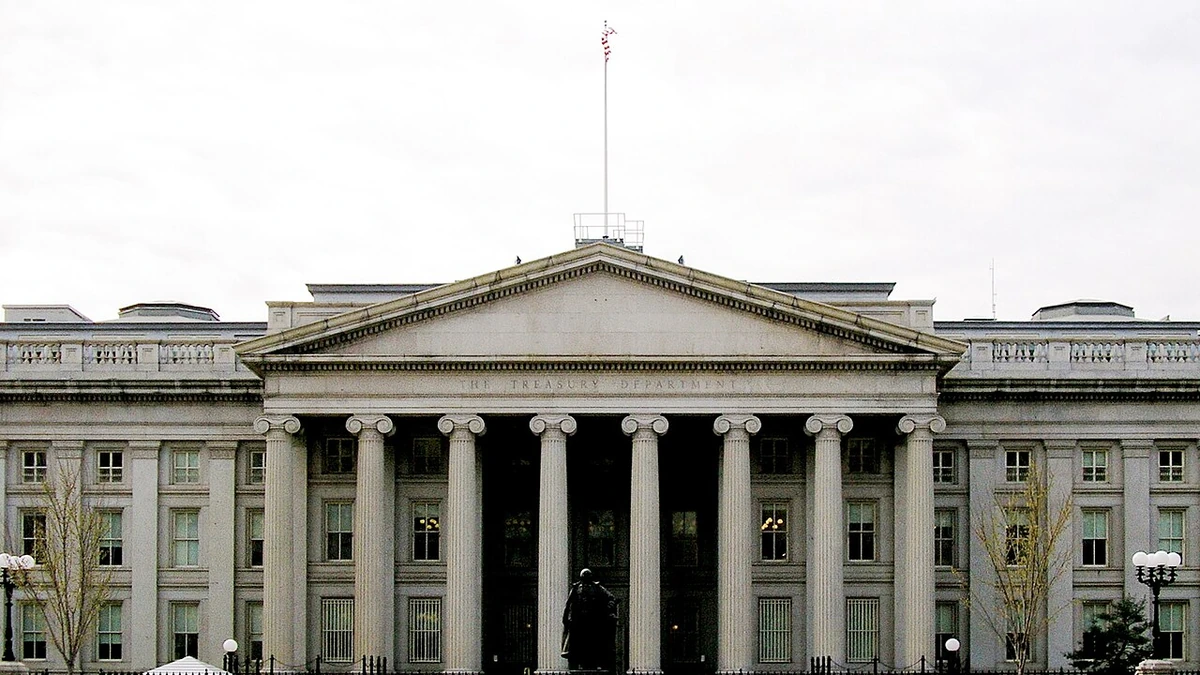
The U.S. Treasury Department on Thursday announced asset-blocking sanctions aimed at two international drug-trafficking organizations, the Australia-based Comanchero Outlaw Motorcycle Gang and Italy’s ’Ndrangheta. The action also targets 14 individuals and four Canadian businesses associated with the networks, extending financial restrictions across organizations operating far beyond their home countries.
The measures are intended to cut off access to assets and financial services under U.S. jurisdiction. They do not amount to a public accounting of money seized or frozen: Treasury did not disclose a dollar value of assets actually blocked as a result of the designations. The distinction matters because sanctions create legal restrictions even when the government has not identified a particular bank account or property holding.
The Office of Foreign Assets Control (OFAC) took the action under Executive Order 14059, which targets international illicit drug activity. In its November 19 announcement, Treasury accused the networks of helping U.S.-sanctioned cartels move cocaine and launder proceeds across borders. The department also described support from law-enforcement agencies in the United States, Australia, New Zealand, Italy and Canada.
The designations have different histories. The Comancheros were added to OFAC’s blocked-persons list as an organization, while the ’Ndrangheta was already subject to U.S. narcotics sanctions dating to 2008. Thursday’s action added the newer drug-trafficking authority to the Italian syndicate’s listing and identified people and companies Treasury says are important to its operations.
Comancheros Targeted for Cocaine Routes and Logistical Support
Founded in Australia, the Comancheros have developed a presence in New Zealand, Europe and other international markets. Treasury said the group helped facilitate cocaine shipments involving hundreds of kilograms at a time from South America to destinations including the United States, Australia and Europe. The department linked the gang to the Sinaloa Cartel, the Jalisco New Generation Cartel, Clan del Golfo and Los Choneros.
The overseas demand is an important part of Treasury’s account of the network. According to the department, cocaine can command much higher prices in Australia and New Zealand than in the United States, creating an incentive for cartels to establish local distribution relationships. Treasury described the Comancheros as one of the groups able to provide those connections and help handle cross-border logistics.
OFAC designated Alexandre Varela Villar, whom Treasury identified as the gang’s Spain-based world commander, and Allan John Norman Meehan, described as its Australia-based world president. It also sanctioned brothers Pasilika and Vetekina Naufahu in New Zealand. The department said the brothers helped arrange large drug imports into New Zealand and developed connections with the Sinaloa Cartel.
A fifth individual, Marco Francis Coffen, was targeted for a different role. Treasury accused him of supplying encrypted communications platforms to drug traffickers, including members of the Comancheros, to help shield their activities from police interception. The separate grounds for the listings show how the sanctions reach beyond alleged traffickers to the services and leadership structures Treasury believes sustain the network.
Toronto-Based Mafia Figures and Four Canadian Companies Listed
The other part of the action focuses on the ’Ndrangheta, a mafia organization rooted in Italy’s Calabria region with operations in many countries. OFAC had designated the group under an earlier U.S. narcotics authority in May 2008. The new measure relies on Executive Order 14059 and places particular emphasis on people Treasury identifies with the syndicate’s Greater Toronto Area faction.
Treasury said that branch has used the U.S. and Canadian financial systems to launder illicit proceeds. Among those designated were Angelo Figliomeni and Cosimo Figliomeni, both described as leading figures, and Francesco Commisso and Rocco Remo Commisso. The department also named Vincenzo DeMaria and Luigi Vescio Sr. Its descriptions of individual conduct are government allegations and sanctions findings, not new criminal convictions established by Thursday’s announcement.
The Canadian connection is significant to the financial reach of the measure. Treasury said Rocco Remo Commisso directs narcotics-trafficking networks involving the United States, including New York, and described senior Toronto figures as having influence over matters within the organization beyond Canada. Those claims explain why the department placed particular weight on alleged links between criminal leadership and cross-border financial activity.
Four Ontario companies were separately added to the sanctions list: Fratelli Vescio Funeral Homes Ltd., Vescio Funeral Homes Inc., Vescio Funeral Home (Maple) Inc. and Phantom Limousine Services Inc. Treasury identified Luigi Vescio Sr. as president of the businesses and alleged that they form part of his corporate network. The listed companies operate in funeral services and vehicle rentals, sectors that are not themselves the subject of the broader sanctions action.
OFAC also designated Vescio’s wife, Rose Vescio, and his children, Luigi Vescio Jr. and Laura Vescio, saying they acted for or on behalf of him in connection with the family businesses. Their inclusion shows how the financial restrictions can extend to people and companies Treasury identifies as intermediaries, without requiring an allegation that every customer, employee or supplier of a listed company participated in illegal activity.
What the Asset Blocks Mean and Where OFAC Allows a Wind-Down
Under the designations, property and interests in property belonging to blocked persons must be frozen when they are in the United States or in the possession or control of a U.S. person. Covered U.S. persons generally cannot transfer funds or provide goods and services to those targets without authorization. Blocking is not the same as confiscation: ownership does not automatically pass to the U.S. government, even though access to the property is restricted.
The restrictions can also affect companies not named individually in the sanctions notice. Under OFAC’s 50 Percent Rule, an entity owned at least 50% in the aggregate, directly or indirectly, by one or more blocked persons is itself treated as blocked. A business relationship alone does not automatically trigger that ownership rule, but institutions handling payments must take account of both the named parties and entities meeting the ownership threshold.
Foreign financial institutions face a separate potential exposure. Treasury warned that knowingly facilitating certain significant dealings for people sanctioned under the applicable authority can create a risk of secondary sanctions. Possible measures include restrictions on access to U.S. correspondent or payable-through accounts, a mechanism that can have consequences for banks operating outside the United States.
OFAC simultaneously issued a limited authorization for existing dealings involving the four Canadian companies. Illicit Drugs General License 1 permits activity ordinarily necessary to wind down such dealings through 12:01 a.m. Eastern Standard Time on December 18, 2026. It also covers entities owned at least 50% by the four named businesses. Payments to a blocked person under the authorization must go into a blocked interest-bearing account in the United States.
The license is not a blanket exemption from the sanctions. It does not authorize otherwise prohibited dealings with other blocked persons, and its purpose is to allow an orderly end to covered activities rather than continuing ordinary commercial relationships indefinitely. That distinction is particularly relevant for banks and counterparties assessing outstanding obligations involving one of the Canadian firms.
For businesses dealing with the named companies, the immediate practical questions are whether a payment or contract falls under U.S. jurisdiction, whether another blocked party is involved and whether any activity qualifies for the narrow wind-down permission. OFAC’s December 18 deadline gives those counterparties a specific period to resolve eligible commitments while the underlying asset-blocking restrictions remain in place.
More News

Latest News
View all news- Spain’s Sánchez Proposes Bank Tax Extension to Raise €1.4 Billion for Housing
- Canada Announces C$248,063 Investment to Restore Nova Scotia Lighthouse and Support Tourism
- New York’s New CPA Licensing Law Takes Effect, Adding 120-Credit Pathway
- Nasdaq Rule Removing CORE FIX Order-Entry References Becomes Operative
- Monte dei Paschi Calls Intesa Takeover Offer Financially Fair but Says It Undervalues Future Potential