
Guide
Sources of Information on Stocks
Good stock research depends less on finding more information than on knowing which sources are reliable, what each source can establish and how it fits the decision you are making.
Read more →

MarketReview author profile
Economics Contributor
ActiveJohn Miller writes about economics as it is experienced—not only in data releases and policy announcements, but in borrowing costs, investment decisions, business conditions and household budgets.
His coverage follows the chain from cause to consequence. A change in interest rates can alter credit conditions; inflation can reshape purchasing power and expectations; employment and government policy can influence both market sentiment and everyday financial choices. John explains those connections without treating economics as a set of isolated textbook ideas.
At MarketReview, he contributes to articles that need more than a description of what happened. His role is to clarify why a trend may be developing, which incentives and constraints are driving it and how the effects can differ for investors, institutions and households. The result is economic analysis grounded in practical financial consequences.
Published work
News, analysis and evergreen financial guides credited to this author.
Good stock research depends less on finding more information than on knowing which sources are reliable, what each source can establish and how it fits the decision you are making.
Read more →
Understanding risk versus reward means looking beyond volatility to the size, probability and consequences of both gains and losses.
Read more →
Stock markets give investors access to business ownership, capital appreciation, dividends, liquidity and diversification, but those benefits come with real risk.
Read more →
Public markets do more than let investors trade shares: they can give companies durable access to equity capital, liquidity and a share price that becomes a financing tool.
Read more →
Fundamental stock trading works best when business performance, valuation, market expectations and timing are analyzed together rather than through isolated ratios.
Read more →
Technical analysis uses price, volume, trend and market behavior to build trading rules, but its signals are useful only when they are tested, timed and risk-controlled.
Read more →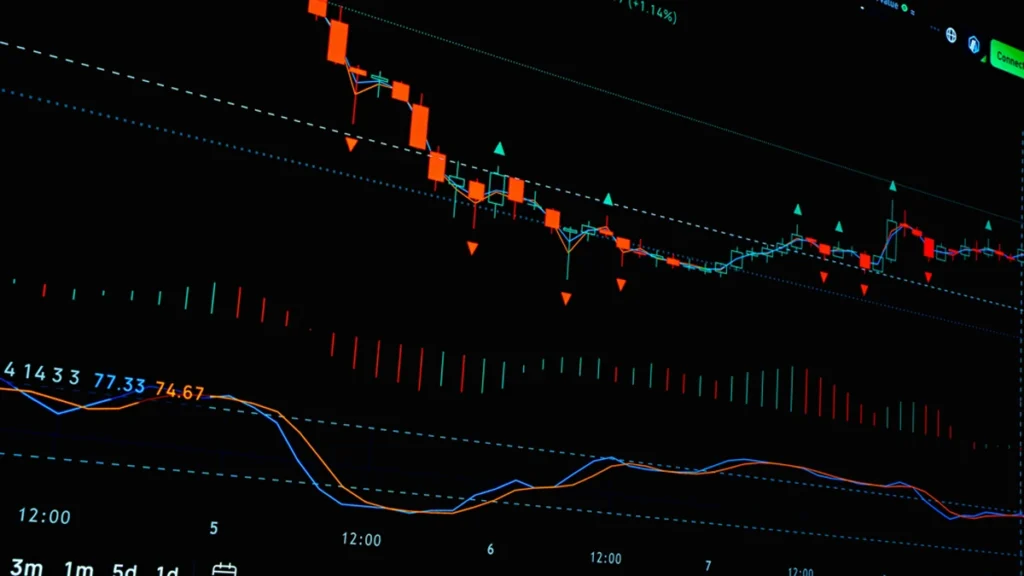
Stock trading is ultimately about earning a positive return, but a useful trading goal also defines the risk, time horizon, costs and decision rules that determine whether those returns are worth pursuing.
Read more →
Stock prices emerge from a continuous market process in which information, expectations, liquidity, interest rates and competing investment opportunities shape what buyers and sellers are willing to pay.
Read more →
Stock trading is a chain of decisions and market processes, from choosing a position and order type to execution, settlement and eventual exit.
Read more →