
News
Goldman Sachs Seeks Investors for Nvidia’s $500 Billion AI Financing Push
Goldman is discussing potential participation with U.S. insurers, asset managers and banks as Nvidia's proposed compute-financing platforms take shape.
Read more →

MarketReview author profile
Editor-in-Chief
ActiveKen Stephens has spent decades following financial markets from both sides of the screen: as an individual investor and through work connected with the investment-banking industry. That breadth informs the way he approaches MarketReview’s coverage of investing, trading and the institutions that influence asset prices.
He is less interested in repeating the market’s conventional wisdom than in examining what supports it. When a familiar explanation is offered for a rally, a sell-off or a shift in policy, Ken looks for the assumptions underneath it, the evidence that confirms or weakens it and the risks that may be overlooked. His writing often connects the choices facing individual investors with the larger forces at work in financial institutions and markets.
As Editor-in-Chief, Ken sets editorial priorities and helps shape how MarketReview explains complex financial subjects. He also contributes directly to articles on investment strategy, market analysis and trading, with an emphasis on clear reasoning, honest uncertainty and conclusions that can withstand closer scrutiny.
Published work
News, analysis and evergreen financial guides credited to this author.
Goldman is discussing potential participation with U.S. insurers, asset managers and banks as Nvidia's proposed compute-financing platforms take shape.
Read more →
The University of Michigan’s preliminary August index fell to 51.0 from 55.2, with expectations weakening more than current conditions as one-year inflation expectations rose to 4.3%.
Read more →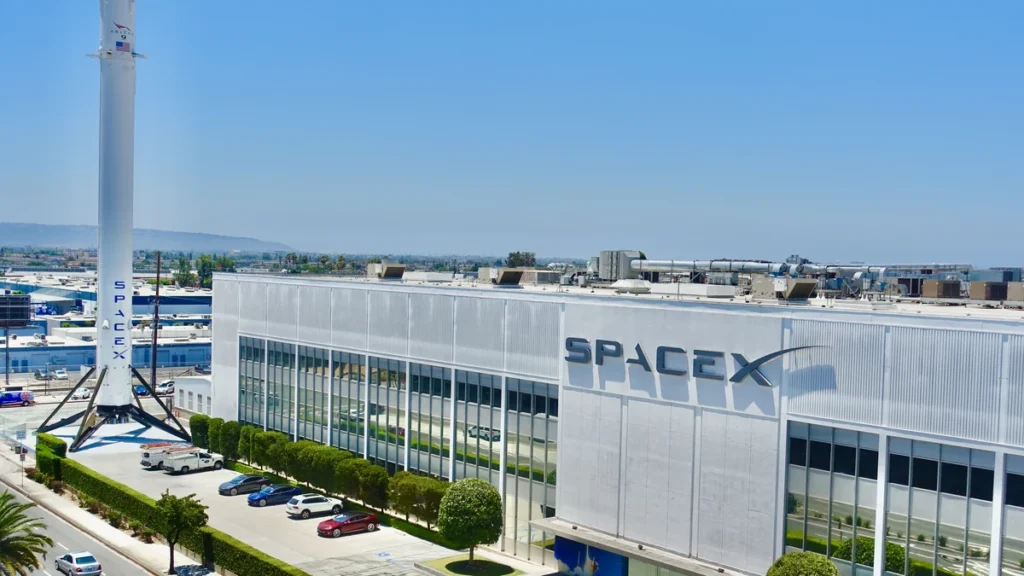
The August 14 closing converts Anysphere shares into 389.3 million SpaceX Class A shares, bringing Cursor fully inside SpaceX after months of AI model-training collaboration.
Read more →
Falling energy and food prices offset higher service costs in July, giving the Federal Reserve another softer inflation reading ahead of its September policy meeting.
Read more →
The HSR waiting period has expired, Rocket Lab filed its S-4 and FCC transfer applications are on file as the company works to finance the roughly $8 billion acquisition.
Read more →
Auto debt increased by $28 billion and credit-card balances by $21 billion in Q2, while a mortgage-reporting gap helped push total household debt down slightly.
Read more →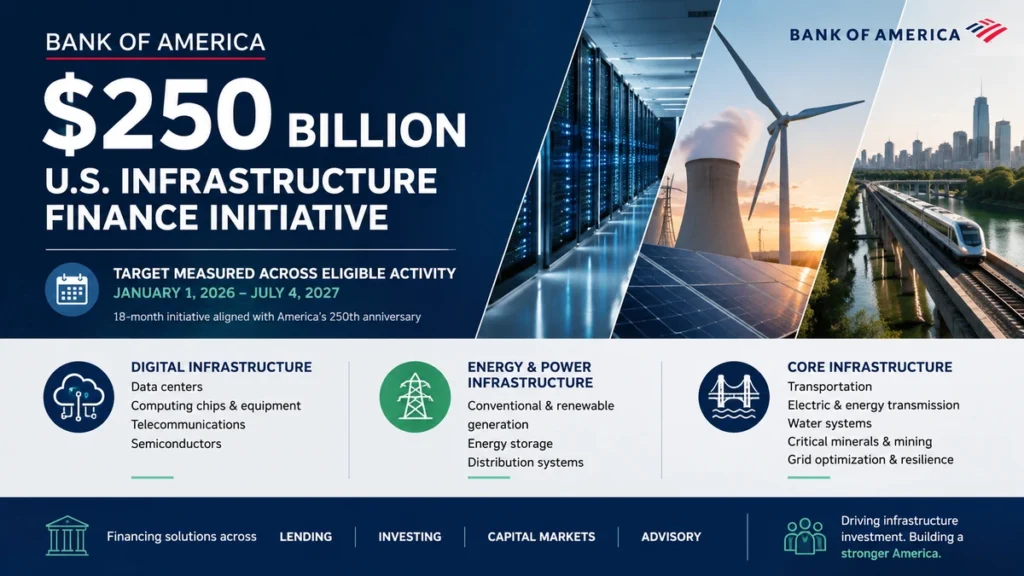
The $250 billion target counts eligible lending, investing, capital-markets and advisory activity through July 4, 2027, rather than a single pool of Bank of America capital.
Read more →
Guest visits accounted for more than half of CAVA's comparable-sales growth, even as restaurant-level margin slipped 60 basis points amid higher menu, delivery and wage costs.
Read more →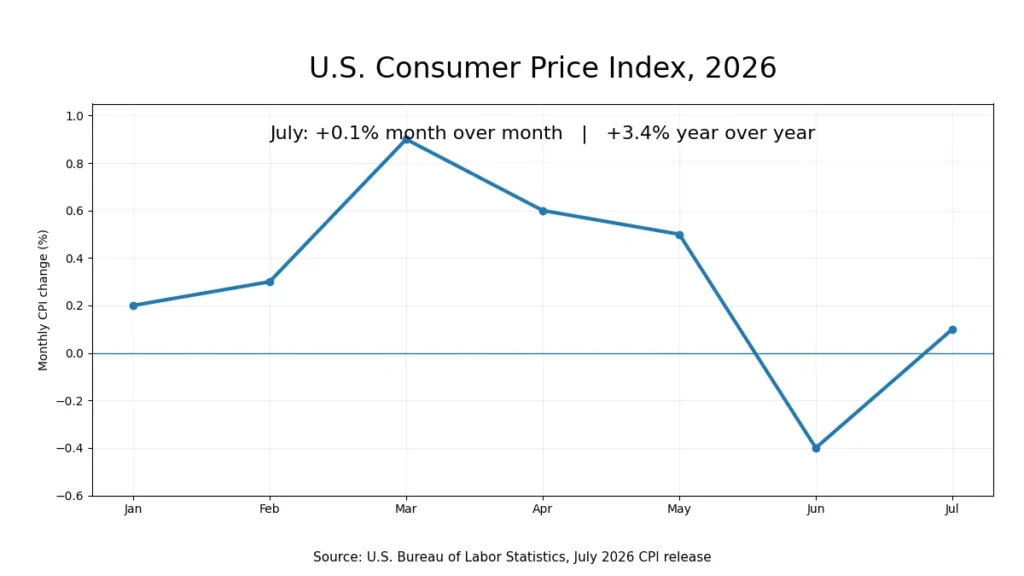
Core CPI rose 0.2% while energy prices fell 1.5%, giving the Fed a cooler inflation reading after a divided July policy vote.
Read more →