The protests surrounding the killing of George Floyd continue with no end in sight. While the damage has been contained so far, the lack of an effective response is concerning. There is a special trust that we convey upon our peace officers, where we give them greater powers than civilians have, arming them and allowing […]
The high death toll that we’ve seen in nursing homes from COVID-19 has shocked people, but this goes on every year. This time around, people have really taken notice. Nursing home residents only represent 0.4% of the American population, but they have accounted for 40% of deaths attributed to the COVID-19 pandemic. While a large […]
We’ve always had media censorship, but we always could rely on social media to show us what we haven’t been allowed to see elsewhere. Times are really changing. Censorship has always been a big issue with popular media, but social media brought about a revolution where we could now see all the sorts of views […]
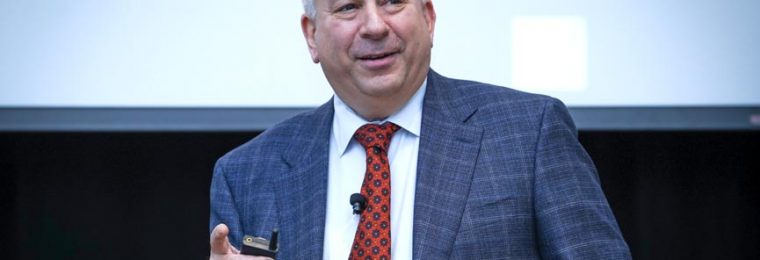
Economist David Rosenberg might be the king of the bears, predicting recessions and bear markets year after year without fail. He is painting a very grim picture now. Earlier this year, before all of this current crisis emerged, we ran an article on the bearish views of economist David Rosenberg of Rosenberg Research, a new […]
While the country turned their heads from the massive economic damage that the coronavirus quarantine has been causing, we won’t be able to look away forever. Before this year, if you asked anyone what the threshold would need to be in order to shut down most of the country like we have done lately, it […]
In the midst of the COVID-19 outbreak, with the world clamoring for a vaccine against this, many investors are hoping to cash in on this. It may not be all that exciting though. Investing in stocks that promise more effective, or at least more profitable medical treatments can seem like a pretty exciting prospect at […]
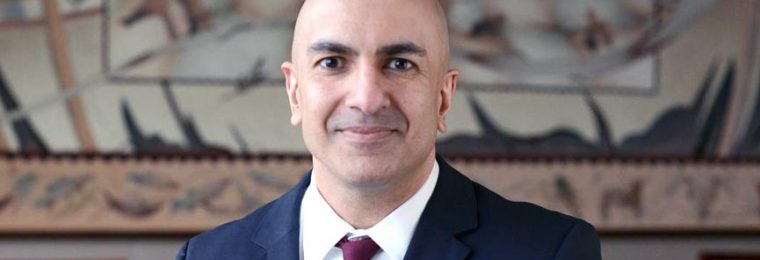
April’s job numbers came in on Friday, and 20.5 million losing their jobs during the month should concern us plenty. Neel Kashkari of the Minneapolis Fed says it will get much worse. Minneapolis Federal Reserve President Neel Kashkari certainly qualifies as one of the Fed’s most outspoken members, and readers might remember our doing an […]
There is a strong belief persisting that our economy and way of life won’t return to normal until we have a medical solution to this outbreak. Some fear we are rushing too much. We should think that it is at least odd or even bizarre that so much is being put on our needing pharmaceutical […]
With Georgia already moving to open their economy up more, and most states having their stay at home orders expiring soon, how we do this has become a huge debate. There is no shortage of people who are eager to warn us about opening our economy too soon, and this situation has become polarized between […]
There is a wide range of opinion about how bad the economic crisis that we are in will be and if and when we will ever recover. Quantitative analysis can shed real light on this. In the financial world, we normally think of quantitative analysis, or QA, as the study of the movement of asset […]