Australia Sets Defence Property Sale Timetable, Transfers 11 Sites to Finance Department
Three Victorian defence properties are slated for early-2027 market listings, while historic barracks and other sites are set for public or community uses.
Our editorial standards
MarketReview publishes clear, independently produced financial information using reliable sources and transparent editorial standards.
Read our Editorial Policy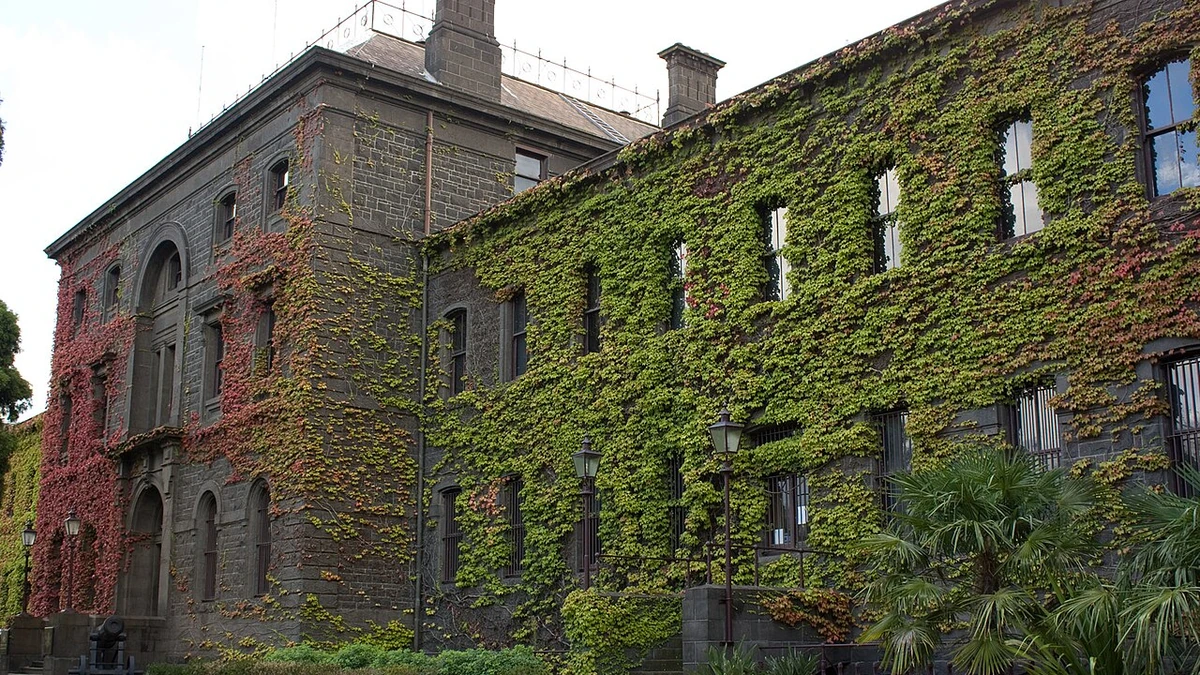
Australia has transferred 11 Defence properties to the Department of Finance for divestment and set out a timetable for the first open-market listings in 2027, moving ahead with a plan to reduce its military property holdings. The government announced the handovers on Sunday, November 8, as part of its first substantial progress update since February.
The transfer of a property to Finance is not the same as selling it. Some locations are being prepared for commercial sales, but others are earmarked for public ownership, community use or transfers to other custodians. Defence expects to have relocated personnel from six sites by the end of 2026, with further property handovers still to come.
The program follows an independent audit that identified 68 properties for disposal or review. The Albanese government agreed to fully or partly divest 67 of them, leaving one site to be retained in full. Its latest Defence estate update offers the first specific public-sale windows for several properties, although it does not announce completed sales or a new valuation of the portfolio.
Three Victorian properties are first in line for 2027 listings
Carlton Training Depot, the Air Force Cadet Unit property in Geelong and Kyneton Depot are expected to be listed on the open market in early 2027. All three are in Victoria, making that state the initial focus of the announced marketing timetable. The dates refer to planned listings, not deadlines for finalising purchases.
Other properties have a longer or less certain path to market. The government expects an open-market process for Bathurst Training Stores Depot in New South Wales sometime in 2027, subject to due diligence and transition planning. Tasmania’s Scottsdale Defence Nutrition Site is scheduled for a process in the third quarter of 2027, while the Sandringham Training Depot in Victoria is slated for the end of that year. Those later steps are also conditional on the work required before disposal.
No asking prices, expected sale proceeds or prospective buyers were identified in Sunday’s announcement. Nor did the release give a property-by-property breakdown of the 11 sites already handed to Finance. The list of planned market offerings therefore should not be read as a list of properties that have necessarily completed the administrative transfer.
Finance can pursue an auction, tender, expression of interest or another approved sale method depending on the property. Its published divestment process calls for site assessments and consultation before the government settles on the appropriate route. Where Defence occupies leased premises rather than land owned by the Commonwealth, ending the lease is a different exercise from selling a government-owned property.
Relocating military personnel and supporting functions is another practical constraint. Defence says the program will not involve Defence job losses, and that Reserve units will move rather than be disbanded. Cadet units are expected to remain within their regions, although the replacement premises may be another Defence facility, a shared depot or a community location.
Historic barracks will remain in public hands
The government has committed to keeping the historically significant parts of four locations in public ownership: Victoria Barracks in Sydney, Victoria Barracks in Melbourne, Fort Queenscliff and RAAF Williams at Point Cook. This marks a different approach from unrestricted private sales, even though Defence still intends to vacate the properties as part of the wider estate changes.
At the two Victoria Barracks properties, officials plan to protect heritage features and look for ways to expand public access, with suitable commercial activity potentially accommodated alongside heritage uses. At Fort Queenscliff and Point Cook, Finance will examine other stewardship arrangements, including heritage trusts, while due diligence continues. The statement does not set a timetable for opening those properties to the public or describe a completed transfer to any particular custodian.
The Australian War Memorial is to be involved in interpreting the military history of all four places. Heritage protections already exist in law, but future decisions must also take account of practical questions such as building condition, contamination, environmental obligations and how the properties can be used without damaging their historic character.
That distinction matters for the Melbourne barracks in particular. Although the property is included in the broader Defence divestment program, the government’s stated intention is not simply to put the historic buildings up for private purchase. The plan separates Defence’s departure as an occupant from decisions about long-term ownership, preservation and public use.
Some sites have a public or community destination instead
A portion of HMAS Penguin at Mosman in Sydney will remain with Defence because it supports military capability. The government intends to transfer the remaining Angophora Forest land to the Sydney Harbour Federation Trust for stewardship. This is a partial divestment rather than a sale of the entire naval property.
At the Stokes Hill Fuel Installation in the Northern Territory, the stated plan is to return the land to the Larrakia people, its traditional owners. The government noted that the southern portion is a registered sacred site protected under Northern Territory law. The announcement describes the proposed transfer pathway; it does not say the land has already been handed back.
Housing is another possible use of surplus military land, but it is not the destination for every property. At Kowandi North in the Northern Territory, officials are considering options that could support more housing in Darwin. Separately, existing plans for Derwent Barracks in Tasmania include housing, open space and community infrastructure, while South Australia and the Commonwealth have begun formal negotiations over Hampstead Barracks to support additional homes in Adelaide.
Two recreational sites also have a defined policy goal. The government wants Fairbairn Golf Course in the Australian Capital Territory and the Swan Island golf course in Victoria to continue operating as golf courses, and is considering divestment arrangements compatible with that use. These examples show why a headline number for Defence disposals cannot be treated as a count of conventional real-estate listings.
Finance will manage the costs and conditions of disposal
The sale program grew out of the 2023 Defence Strategic Review and a subsequent independent property audit led by Jan Mason and Jim Miller. The government released its response in February 2026, accepting or accepting in principle all 20 audit recommendations. Of the 68 holdings identified, the decision was to fully divest 64, partly divest three and retain Pittwater Annex in New South Wales. Three of the sites included in the full-divestment group had already been disposed of by the time of that announcement.
The financial case is broader than proceeds from land sales. In February, Defence Minister Richard Marles cited preliminary audit estimates of approximately A$3 billion in gross receipts across the proposed estate program and around A$1.2 billion in relocation and other costs, potentially leaving about A$1.8 billion. He cautioned that they were estimates, not established sale prices. Sunday’s update did not provide a revised revenue projection, and the final outcome will depend on which properties are disposed of, on what terms and at what cost.
Under the government’s policy, proceeds from Defence property disposals are to remain within the Defence portfolio and be reinvested in National Defence Strategy priorities, including northern bases. Separately, moving out of ageing or underused facilities is intended to reduce the resources required to maintain premises that Defence no longer needs for operational purposes. Neither benefit can be measured from the number of sites transferred to Finance alone.
Before any sale, Finance must consider market conditions, planning restrictions, heritage requirements and possible environmental contamination, including PFAS where relevant. It is also seeking feedback from local councils, First Nations communities and other stakeholders. Planning and zoning decisions remain with the relevant state, territory and local authorities, so a Defence site being identified as suitable for housing does not itself grant development approval.
The immediate milestones are the planned early-2027 listings in Victoria and further Defence-to-Finance handovers. Later sales remain dependent on individual assessments, relocations and decisions about future use. The government has said it will provide further updates as those decisions progress.
More News


Latest News
View all news- Sensex, Nifty End Lower in Diwali Muhurat Trading, Breaking Eight-Year Winning Streak
- Bank of Israel Finds 62% of Survey Respondents Faced Financial Fraud Attempts
- New Zealand’s Revised Parliamentary Funding and Expense Rules Take Effect
- U.S. Emergency Power Orders for Puerto Rico Take Effect, Extending Grid Support Into February
- Berkshire Hathaway Reports Lower Q3 Operating Earnings, $9.6 Billion in Share Buybacks