
Canada Details Nearly C$30 Billion Housing and Homelessness Plan at November 8 Halifax Event
Budget 2026 proposes nearly C$30 billion in nationwide homelessness measures, including supportive housing and rental aid, as officials spotlight projects in Nova Scotia.
Our editorial standards
MarketReview publishes clear, independently produced financial information using reliable sources and transparent editorial standards.
Read our Editorial Policy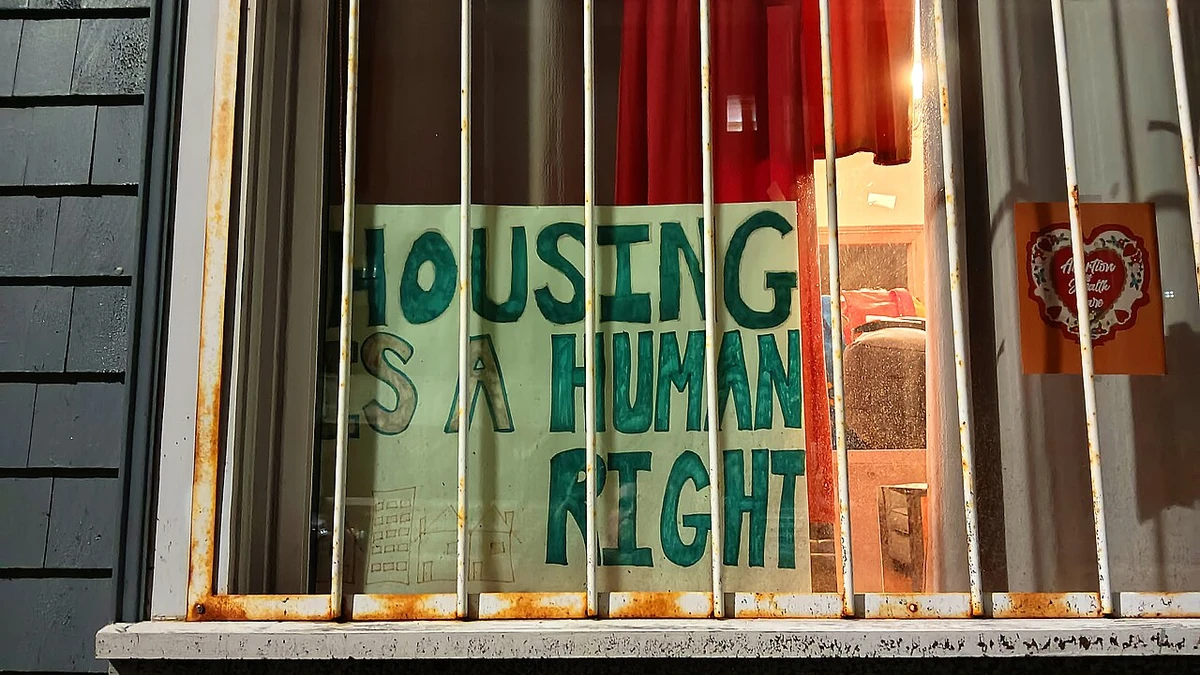
Canada’s government outlined a nearly C$30 billion national homelessness plan during a Sunday visit to Halifax, setting out proposed spending on supportive housing, rental assistance and facilities that bring health services closer to people without stable homes. The effort, part of Budget 2026, aims to put the country on a path to end homelessness within 10 years.
Kody Blois, parliamentary secretary to the prime minister and member of Parliament for Kings–Hants, met housing organizations and advocates in Halifax on November 8. The event followed the federal budget’s presentation on November 5 and a national rollout in Winnipeg two days later. It was a local presentation of a Canada-wide funding framework, not an announcement that nearly C$30 billion would be spent in Nova Scotia.
The Halifax meeting took place at Ozanam Place on Brunswick Street, a supportive housing development serving older people who have experienced homelessness. In its announcement accompanying the visit, Housing, Infrastructure and Communities Canada also pointed to planned affordable homes in Dartmouth and described how the federal proposal would address both housing shortages and the services residents need to remain housed.
Funding would extend well beyond the next four years
Budget documents put the homelessness pillar at about C$29 billion. They propose C$11.2 billion over four fiscal years beginning in 2027–28, with another C$17.8 billion in later years. That schedule is central to understanding the headline number: it covers a long-term program of proposed spending, not money available in a single year or a single new grant for construction.
The largest individual housing allocation is C$10 billion through Build Canada Homes, intended to support roughly 25,000 supportive and transitional homes across the country. The federal contribution would cover capital costs, including the development of new housing. Provincial and territorial governments would be expected to fund operating expenses and ongoing services, which can include health care, job assistance and other support tailored to residents.
Another C$5 billion is earmarked for a proposed Integrated Supports Fund, also delivered through Build Canada Homes. Rather than financing housing alone, this fund is intended to support facilities that connect accommodation with mental health care, addictions treatment and other services. The plan also includes C$2 billion over two years, starting in 2027–28, for community mental health and addictions facilities through the Health Infrastructure Fund.
Existing prevention and rental-support programs account for much of the remainder. The government describes C$6.5 billion for the renewal of Reaching Home and support for veterans experiencing homelessness, and approximately C$5.5 billion for the Canada Housing Benefit. Reaching Home supports local organizations helping people avoid homelessness or move into permanent accommodation. The housing benefit provides direct assistance with rent to eligible low-income households, including people at risk of losing their homes.
Those categories add up to roughly C$29 billion, which the government rounds to nearly C$30 billion. The federal government’s national announcement also describes that mix of construction spending and extensions of established programs. The future-year amounts are important because a ten-year objective cannot be assessed from the first few years of capital investment alone.
Halifax highlights an existing housing model and a wider provincial pipeline
Ozanam Place, the venue for the Halifax event, illustrates what supportive housing can look like in practice. The Society of Saint Vincent de Paul in Halifax says the development opened in October 2025 with 38 apartments, consisting of 33 studios and five one-bedroom units. It serves people aged 50 and older who have experienced chronic homelessness, with rents tied to 30% of tenants’ income. The North End Community Health Centre operates the property.
The project predates the new federal budget. Its existing homes should not be counted as housing newly delivered by the proposed C$29 billion package. The distinction matters because Sunday’s visit linked a functioning local development to a national policy the government is still seeking to carry out over several years.
The other local example in the Halifax release is Shannon Park, a former federal site in Dartmouth being redeveloped for housing. The announcement referred to a federal-provincial partnership targeting 1,430 affordable homes, including 500 non-profit and community housing units. Earlier announcements from the governments of Canada and Nova Scotia provide a more precise geographic breakdown: 1,430 is the province-wide total, with 930 homes planned at Shannon Park and 500 non-profit and community homes elsewhere in Nova Scotia.
The Shannon Park portion includes plans for 630 homes on federal land and 300 on provincial land. The wider partnership was announced in December 2025 with up to C$300 million in joint federal and provincial funding. It is therefore an existing housing commitment cited alongside the budget’s new proposals, not a fresh C$300 million allocation made at the November 8 event.
Shannon Park is also at a different stage from Ozanam Place. Its units are planned and subject to development and delivery work; they are not all completed homes ready for occupancy. Treating the provincial target, the Dartmouth component and the already operating Halifax apartments as separate figures avoids overstating what has been built.
Provincial services and program reporting will shape delivery
Canada’s budget sets out a division of responsibilities that creates both an opportunity and a practical dependency. Ottawa would supply construction capital and national program funding, while provinces and territories would pay for much of the continuing care and other support needed after residents move in. Municipalities influence land use, permitting and the pace at which proposed developments can proceed.
That distinction is particularly relevant for supportive housing. Financing a building does not, by itself, establish the staffing, clinical care and operating support required for residents with complex needs. The federal proposal calls for partners to agree on service arrangements, so the eventual number of homes in operation will depend on more than construction commitments.
There are also reporting requirements. Budget 2026 says continued Reaching Home funding would be tied to more rigorous information from communities, including timely data on homelessness. The government expects to release additional details about the renewed initiative early in 2027. That would give local service providers a clearer view of how funding and performance reporting will work.
The scale of the problem is evident in federal enumeration data. A 2025 point-in-time count identified more than 65,000 people experiencing homelessness on one night across 75 participating Canadian communities. The figure covered people in shelters, unsheltered locations and transitional accommodation. It is a count within participating communities, not an estimate of every person experiencing homelessness nationwide, and it underscores the need to measure changes consistently over time.
Further steps are already identified in the budget. The federal government plans discussions with provinces and territories on housing agreements ahead of the spring 2027 economic update, including how to protect existing affordable housing and clarify responsibilities for operating support. The spring update is the next identified milestone for clarifying how the national funding proposal will connect to provincial service commitments and housing delivery.
More News

Latest News
View all news- Sensex, Nifty End Lower in Diwali Muhurat Trading, Breaking Eight-Year Winning Streak
- Bank of Israel Finds 62% of Survey Respondents Faced Financial Fraud Attempts
- New Zealand’s Revised Parliamentary Funding and Expense Rules Take Effect
- U.S. Emergency Power Orders for Puerto Rico Take Effect, Extending Grid Support Into February
- Berkshire Hathaway Reports Lower Q3 Operating Earnings, $9.6 Billion in Share Buybacks
