Australian Government Commits A$6 Million to Western Australia’s Telethon
The 2026 pledge brings federal contributions to A$30 million over five years, as Telethon plans grants for 147 beneficiaries across Western Australia.
Our editorial standards
MarketReview publishes clear, independently produced financial information using reliable sources and transparent editorial standards.
Read our Editorial Policy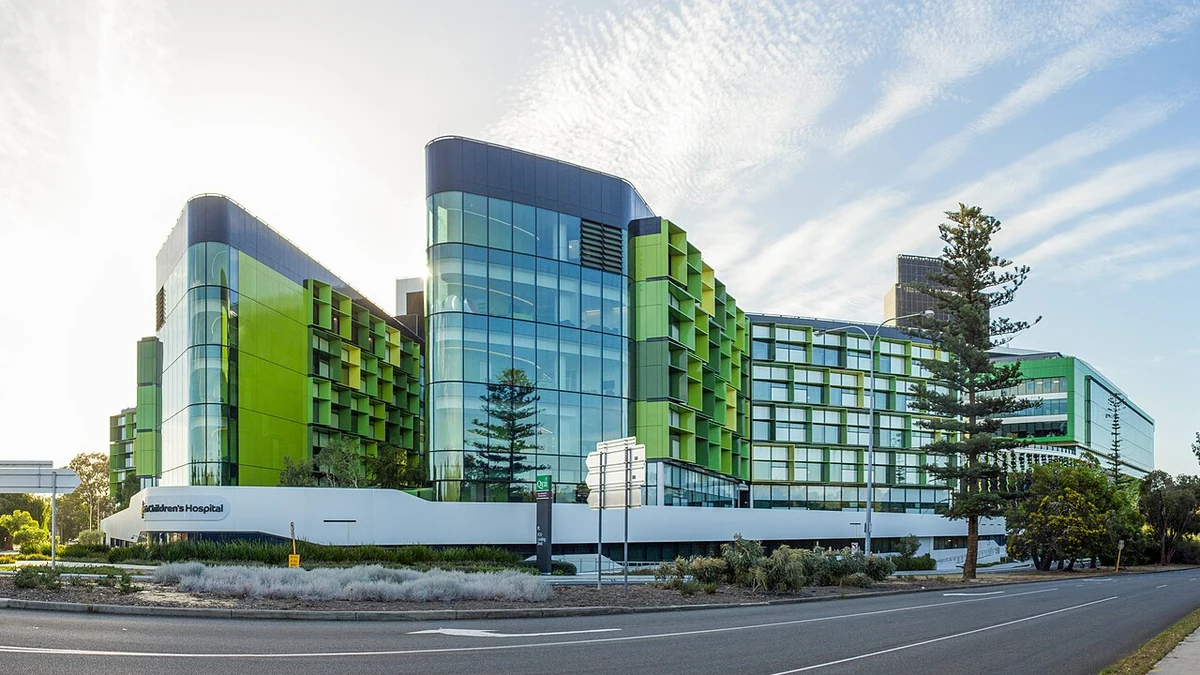
Australia’s federal government has committed A$6 million to Western Australia’s Channel 7 Telethon Trust for 2026, extending its support for the annual fundraising appeal for children’s health. Prime Minister Anthony Albanese announced the pledge on Sunday, October 18, during Telethon events in Perth.
The latest commitment takes Commonwealth contributions to A$30 million over five years. The money supports an appeal that finances medical research, hospital equipment and services for children experiencing serious illness, disability or disadvantage, rather than a single government-run hospital project.
Telethon, which began in 1968, is a 26-hour televised fundraising event. The government says it has raised more than A$778 million over almost six decades, including a record of more than A$90 million during the 2025 appeal. Those fundraising figures describe Telethon’s broader history, not the value of the new federal pledge.
Five years of Commonwealth backing
The A$6 million figure and the five-year total were confirmed in the Prime Minister’s October 18 announcement. Albanese said the federal contribution would help Telethon continue supporting research and essential purchases for hospitals and health services. His remarks were made at the Telethon gala ball at Crown Perth.
This year’s amount is consistent with earlier annual commitments. The government announced A$6 million in October 2022 and another A$6 million in October 2024. Its 2025 statement described that year’s A$6 million pledge as the fourth consecutive year of federal support. The 2026 announcement therefore extends an established funding commitment rather than indicating an increase in the annual amount.
The Prime Minister’s release did not assign the 2026 federal contribution to individual hospitals, charities or research grants, and it did not set out a payment timetable. That distinction matters when looking at the appeal’s much larger portfolio: a list of programs supported by Telethon should not be read as a list of projects individually financed by this new A$6 million.
Telethon draws money from several sources, including community fundraising and corporate donations, alongside government support. Its 2026 impact report says that donations made to the trust go directly toward grants for beneficiaries. It also shows that the work funded extends beyond acute hospital treatment into everyday services that help children and families across the state.
Research and equipment across 147 beneficiaries
For 2026, the government’s announcement identifies 147 beneficiaries, 199 programs and services, 297 grants, 38 research projects and more than 3,000 pieces of equipment. These are measures of the scale of Telethon’s planned support, not separate cash commitments that can be added to the federal pledge.
The trust’s 2026 grant-recipient records give a clearer picture of where support is intended to go. Perth Children’s Hospital is among the beneficiaries. The trust lists equipment purchases and child-health research among the activities it plans to support there in 2026.
Other projects have a different focus. North Metropolitan Health Service is listed for a genome-sequencing service intended to speed up genetic testing for young patients, potentially allowing earlier diagnosis and intervention. A Children’s Cancer Institute project aims to develop a clinical framework to help guide immunotherapy decisions for children with cancer in Western Australia.
Telethon also lists the ORIGINS research project, which follows 10,000 children beginning in pregnancy to study the conditions that influence health and development. The project illustrates the longer time horizon of some grants. Research of this kind seeks evidence that may improve care in future years, whereas purchases of medical equipment can address current clinical needs.
The range of activities is important to understanding what the appeal funds. A research project, an item of hospital equipment and a community support program do not deliver the same kind of benefit on the same schedule. The headline totals indicate breadth, but they do not establish the amount awarded to each recipient or show which specific activities are paid for by the Commonwealth’s latest contribution.
Programs stretch beyond Perth hospitals
Some of the 2026 beneficiaries are focused on children living far from specialist medical centres. Earbus Foundation plans coordinated hearing and allied-health services for at-risk regional and remote communities. Its proposed approach brings audiology together with other paediatric services so families can access connected care rather than navigating each service separately.
Food insecurity is another part of the funding picture. Eat Up says it will provide more than 60,000 lunches to 81 regional schools during 2026, while Foodbank WA’s School Breakfast Program supports students in more than 500 schools. These are not hospital interventions, but they address practical conditions that can affect children’s health, schooling and daily wellbeing.
Other listed programs involve counselling for young people affected by family violence, support for families managing disability and improved access to mental-health services. HeartKids is among the organisations providing assistance to families of children with heart conditions, including support in metropolitan and regional Western Australia. Together, these examples show how Telethon’s beneficiaries span clinical treatment and services delivered closer to home.
That wide reach is also reflected in Telethon’s latest impact report, which describes efforts during the preceding year to improve neonatal transport, early intervention and access to care outside hospitals. The report is a description of the trust’s broader work, not a claim that the newly announced federal funding alone produced those outcomes.
The 2026 appeal follows last year’s record fundraising result, setting a demanding comparison for the latest campaign. Albanese urged supporters to contribute during the weekend, but the October 18 government announcement did not report a final total for this year’s appeal. The A$6 million commitment is confirmed; the eventual 2026 fundraising result remains a separate figure to be established when the appeal concludes.
More News



Latest News
View all news- UK Announces Nearly £140 Million for 14 Urgent-Care Projects Ahead of Winter
- Japanese Investors Outline $1.2 Billion Tourism Investment Plan in Bangladesh
- Israel Revises Second-Quarter GDP Growth Up to 15.4% in New October Estimate
- French Retailers Estimate Hundreds of Millions of Euros in Damage After Nationwide Protests
- Anthropic Co-Founder Cites Scenario of $44 Trillion U.S. GDP by 2030 as AI Advances