
Brent Crude Climbs Above $106 as Middle East Supply Concerns Intensify
Fresh tanker attacks in the Strait of Hormuz have renewed fears about oil export routes as the EIA expects regional supply constraints to persist through year-end.
Our editorial standards
MarketReview publishes clear, independently produced financial information using reliable sources and transparent editorial standards.
Read our Editorial Policy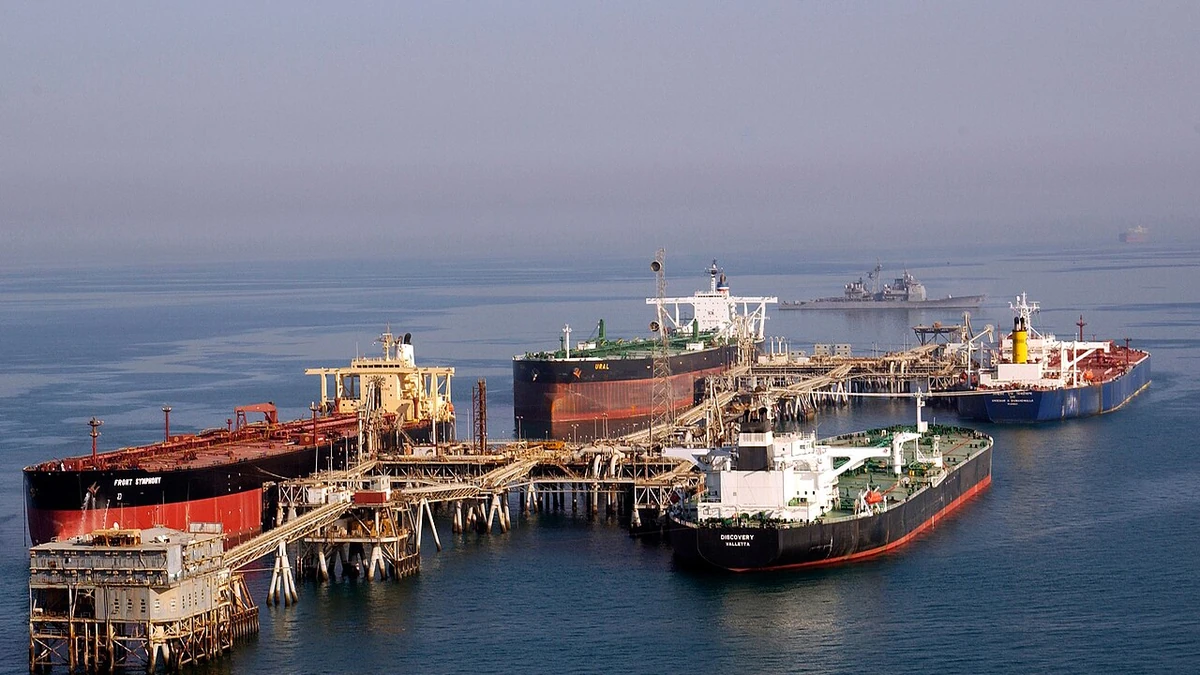
Brent crude futures climbed above $106 a barrel on Monday, October 12, as renewed attacks on commercial tankers around the Strait of Hormuz added to fears that Middle Eastern oil shipments could face further interruptions. Reuters reported that the benchmark gained 2.09% to $106.80 during Monday trading. That was an intraday futures price, not the day’s settlement or the spot-price average used in government forecasts.
The move followed another unsettled weekend for Gulf shipping, with vessels reporting projectile strikes and damage during passages through one of the world’s most important energy corridors. The immediate concern is not simply whether a tanker has to stop after an attack. Shipping companies and their insurers also have to decide whether cargoes can move safely, how much the voyage will cost and whether alternative routes are available.
Oil prices have already swung sharply during the conflict. The U.S. Energy Information Administration said Brent spot prices briefly reached $131 a barrel in mid-September after attacks interrupted a major Saudi export pipeline. Some shipments subsequently resumed, but the latest incidents have brought transport risk back to the foreground even as producers try to restore volumes.
Tanker Strikes Put Hormuz Shipping Back in Focus
In a series of maritime security notices, United Kingdom Maritime Trade Operations reported that an outbound tanker in the Strait of Hormuz was struck on its port side by an unidentified projectile on October 11. The vessel was damaged, although the crew was reported safe and no environmental impact had been reported at the time. The incident was under investigation.
A separate October 10 report described another outbound tanker struck by an unknown projectile, causing a fire aboard the vessel. Its crew was also reported safe. UKMTO has urged ships operating in the area to proceed cautiously and report suspicious activity, rather than treating the identity of those responsible as established by the initial accounts.
Those distinctions matter for the oil market. Reports of attacks establish a threat to shipping, but they do not by themselves quantify barrels lost, prove a prolonged closure or identify who carried out each strike. The commercial effect can nevertheless extend beyond a damaged ship if other tankers delay departures or require additional security arrangements before loading or sailing.
The scale of the route explains the sensitivity. EIA data published in August show that oil flows through Hormuz averaged 21.6 million barrels a day in the fourth quarter of 2025, before falling to 4.9 million barrels a day in the second quarter of 2026. Those are historical quarterly estimates, not a measurement of Monday’s traffic, and EIA warns that ship-tracking signals in the region have been especially difficult to interpret during the conflict.
Producers have sought ways around that bottleneck, particularly through pipelines and transfers of cargo between ships. But those alternatives do not remove the danger to tankers traveling through Gulf waters, and their availability depends on infrastructure remaining operational. That is why reports of fresh strikes can affect expectations even before a new estimate of regional output is available.
EIA Projects a $105 Brent Average for the Fourth Quarter
The EIA’s October Short-Term Energy Outlook, published October 6, forecast that Brent spot crude would average $105 a barrel in the final three months of 2026. The projection was $14 higher than the agency’s September forecast. It reflects the expectation that oil from the Middle East will remain constrained through year-end, not a prediction that every daily price will stay near $105.
The timing of that forecast is important. EIA finalized its modeling assumptions on October 1, before the tanker incidents reported over the latest weekend. Its outlook provides a measure of the market’s underlying tightness, but the forecast cannot be treated as an assessment of the October 10 and 11 attacks or as a real-time trading quote.
According to the agency, Brent spot crude averaged $114 a barrel in September, compared with $91 in August. September prices were driven in part by attacks on Saudi Arabia’s East-West pipeline, which had been moving more than 5 million barrels a day to the Red Sea port of Yanbu before the disruption. Repairs allowed some pipeline flows to resume on September 22, easing pressure from the midmonth spike.
The partial recovery has not restored all the crude that producers could otherwise sell. EIA estimates that regional oil production shut-ins averaged 4.8 million barrels a day in September, down from 5.8 million in August and a peak of 10.9 million in May. For the fourth quarter, the agency projects that roughly 4.5 million barrels a day of production will remain shut in on average. These are estimates and forecasts for different periods, rather than confirmed losses from this weekend’s strikes.
There is also a difference between crude available at the wellhead and crude delivered to a refiner. A pipeline repair may let a producer increase output, yet a hazardous tanker route can still slow exports or raise the delivered cost of each barrel. EIA expects workarounds, including overland routes and ship-to-ship transfers, to improve flows over time, but says the conflict leaves short-term prices exposed to further volatility.
Freight Costs and Inventories Add to Price Pressure
Transport expenses have become part of the supply problem. EIA says the increased danger to tankers has pushed up insurance costs and helped lift freight rates, which reached record levels in September. Longer voyages around conflict areas also reduce the number of ships available to carry other cargoes. For buyers, a barrel that can technically be produced is less useful if getting it to a refinery takes longer or becomes substantially more expensive.
Global inventories offer less room to absorb interruptions than they did earlier in the year. EIA estimates oil stocks fell at an average rate of 1.9 million barrels a day in the third quarter and forecasts a further average decline of 0.7 million barrels a day in the fourth. The projected draw is smaller, but continued withdrawals would leave the market sensitive to changes in export schedules or refinery demand.
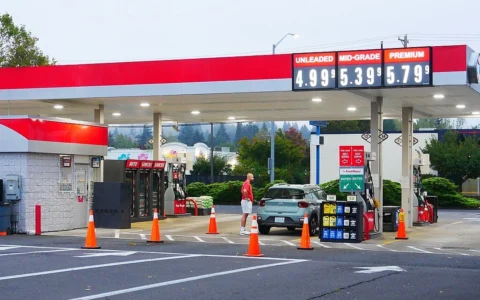
The pressure is already visible beyond crude benchmarks. EIA reported average U.S. retail gasoline prices of $4.35 a gallon in September and diesel prices of $6.29. Those figures describe last month’s pump prices, not current prices on October 12. The agency also identified unusually tight diesel supplies and elevated refining margins as factors supporting demand for crude, illustrating why disruptions to refined fuels can reinforce pressure on oil prices.
One possible counterweight is the gradual return of Middle Eastern supplies. EIA expects most regional production to recover to pre-conflict averages by the end of the second quarter of 2027, assuming export workarounds expand and restrictions ease. It forecasts Brent spot crude averaging $84 a barrel in 2027, considerably below its projected fourth-quarter 2026 level. That outlook depends on shipping conditions improving and does not rule out further price spikes along the way.
Reports of a proposed halt to attacks on Russian and Ukrainian energy infrastructure also entered Monday’s trading, according to Reuters, offering a different potential influence on global fuel supply. Details of that proposal remained unsettled in the reporting, and it does not resolve the immediate security problems faced by Gulf tankers. The next scheduled EIA Short-Term Energy Outlook, on November 10, will provide a new set of official supply and price assumptions after the latest round of incidents.
More News

Latest News
View all news- Gold Futures Retreat Toward $4,190 as U.S. Dollar Strengthens
- IonQ Agrees to Buy Cybersecurity Firm Elisity for Up to $1.3 Billion
- KKR, TotalEnergies to Add $1.2 Billion Solar Portfolio to U.S. Venture
- U.S. 30-Year Mortgage Rates Hover Near 7.55% as Housing Borrowing Costs Remain Elevated
- Wall Street Volatility Gauge Rises as Traders Assess Inflation and Earnings Risks
