Japan’s Core Inflation Rises to 2.2% in October, Keeping Price Pressures Above BOJ Target
Energy costs accelerated while food price growth excluding fresh produce eased, leaving Japan's inflation picture uneven ahead of the BOJ's next policy meeting.
Our editorial standards
MarketReview publishes clear, independently produced financial information using reliable sources and transparent editorial standards.
Read our Editorial Policy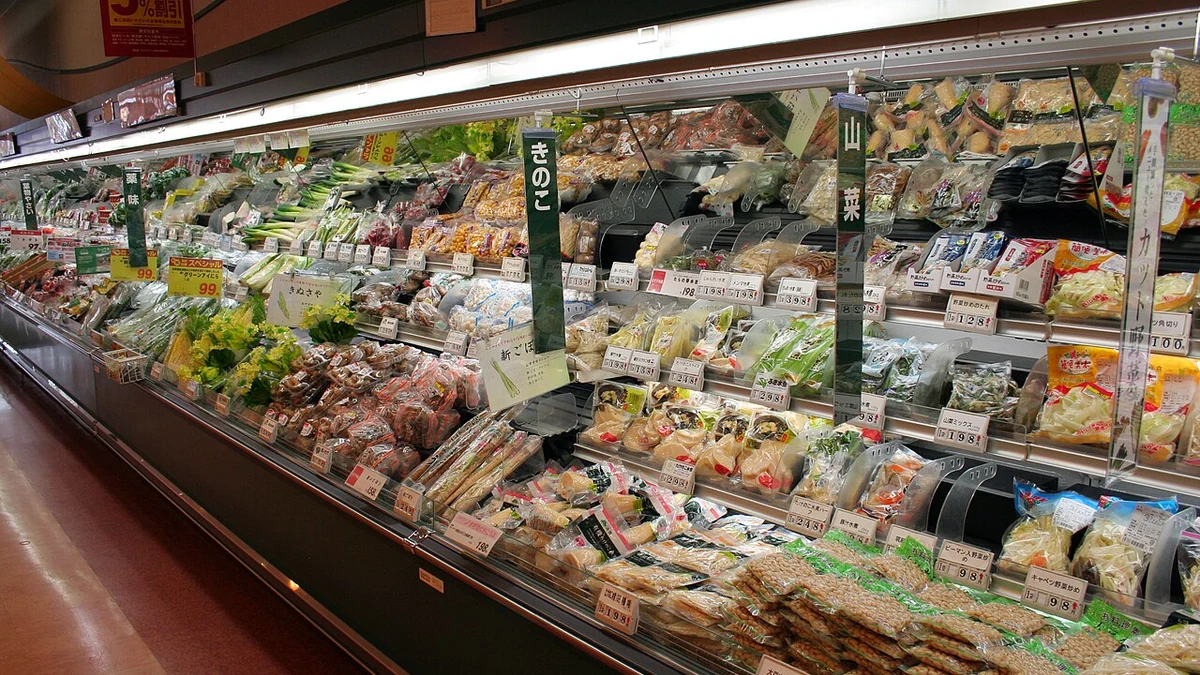
Japan’s core consumer prices rose 2.2% in October from a year earlier, accelerating from 2.1% in September and remaining above the Bank of Japan’s 2% inflation target. Higher energy costs helped lift the annual rate even as price increases for food excluding fresh produce slowed.
The nationwide figures, released Friday, November 20, by Japan’s Statistics Bureau, showed headline consumer inflation rising to 2.3% from 2.1%. A separate measure that strips out both fresh food and energy eased to 2.2% from 2.4%, indicating that the pickup in the main core index did not extend evenly across the wider basket of goods and services.
The official consumer price report puts the core index, which excludes fresh food but includes energy, at 102.9 on the country’s 2025=100 base. On a seasonally adjusted basis, core prices increased 0.3% from September. The latest reading underscores a familiar challenge for Japanese households: inflation has moderated in some categories, but the overall cost of living is still rising.
Energy prices push inflation higher as nonfresh food eases
Energy prices increased 2.2% in October from a year earlier after falling 0.6% in September. The shift added roughly 0.20 percentage point to the change in the headline inflation rate, according to the Statistics Bureau’s breakdown. Electricity costs were 1.6% higher than a year ago, while city gas prices rose 5.3%. Kerosene increased 18.4%, although gasoline prices remained 2.3% lower.
Those moves matter especially for Japan’s core CPI because energy is included in the index. A pickup in electricity or fuel prices can raise the core inflation rate even when other types of spending are seeing slower price growth. The distinction is important in interpreting October’s acceleration: one higher reading does not establish that every source of underlying inflation has strengthened.
Food excluding fresh items rose 2.2% year over year, down from 2.9% in September. That category’s contribution to headline inflation fell by about 0.16 percentage point, partly offsetting the increase from energy. The moderation suggests some relief in a part of the grocery basket that has been an important source of pressure on household budgets.
Fresh food, which is excluded from the main core index because its prices can swing sharply, moved in the opposite direction. Its annual inflation rate reached 6.3%, up from 2.1% in September. Fresh vegetables alone cost 8.1% more than a year earlier. These increases helped lift headline CPI faster than the core measure and illustrate why a household’s experience at the supermarket can differ from the number highlighted in monetary policy coverage.
The household price picture remains mixed
The October data also show how uneven the inflation picture has become. Overall food prices were 2.7% higher than a year earlier, and prepared foods increased 4.2%. Prices for meals eaten outside the home rose 2.4%, while meat prices climbed 4.6%. Those gains sit alongside marked declines in some individual staples, including a 29.8% annual fall in the price of a commonly tracked category of non-Koshihikari rice.
Other everyday expenses continued to increase. Household consumable goods rose 12.0% over the year, with toilet paper prices up 17.9%. Accommodation charges increased 6.7%, contributing to the broader rise in recreation-related prices. Mobile phone handsets were 17.2% more expensive, showing that the pressures were not limited to food and household utilities.
Not all categories were rising at those rates. Housing costs increased 1.1% from a year earlier, while the education component of the index fell 3.8%. The education decline reflects a mix of specific price changes and policy effects rather than a general fall in private-sector service costs. The contrast is one reason the headline figure is best read together with the breakdown instead of treated as the price change faced by every family.
The measure excluding both fresh food and energy provides another useful comparison. At 2.2%, it was still above the central bank’s numerical target, but its decline from September’s 2.4% suggests that some of the inflation pressure outside the most volatile categories has eased. It is not, by itself, a complete measure of persistent inflation: the BOJ assesses a range of indicators, including wages, prices set by businesses and inflation expectations.
BOJ policy depends on whether inflation remains durable
The latest figures arrive after the BOJ raised its policy interest rate in September. Its overnight call rate target stood at around 1.25% following the October policy meeting, when the central bank kept its current setting. With annual core inflation above 2%, attention turns to whether price increases are likely to last, not simply whether one month’s reading has crossed the target.
In its October economic and price outlook, the BOJ projected that core inflation would move clearly above 2% before gradually settling toward that level later in its forecast period. The median forecasts of its policy board members put core CPI inflation at 2.5% for fiscal 2026, 2.6% for fiscal 2027 and 2.0% for fiscal 2028. These are forecasts, not outcomes, and the bank identified risks that could push inflation higher.
The central bank linked its outlook to higher crude oil prices, the earlier depreciation of the yen and rising costs for semiconductors and other materials. It also pointed to companies passing wage increases through to selling prices. That process matters because inflation supported by ongoing wage and price decisions can persist longer than a temporary jump in a single commodity or government-administered price.
At the same time, the BOJ has said that measures of underlying inflation are generally consistent with its 2% price stability goal. It has warned that inflation expectations could rise further if businesses become more willing to raise prices and external costs remain elevated. October’s official breakdown offers evidence for both sides of that assessment: energy pressure has returned, but nonfresh food inflation and the index excluding energy have cooled.
The central bank’s projections also come with important qualifications. They incorporate assumptions about how energy prices will evolve and do not account for a proposed temporary cut in the consumption tax on food and beverages that was still under discussion when the October outlook was prepared. Changes in such policies could materially alter future CPI readings without necessarily reflecting an equivalent change in underlying demand.
For now, the report provides no basis to say that a further BOJ rate increase is certain. Policymakers will have another preliminary read on price developments when Tokyo’s November CPI figures are released on November 27. National November inflation data are scheduled for December 18, the final day of the BOJ’s next scheduled monetary policy meeting on December 17-18.
More News



Latest News
View all news- Spain’s Sánchez Proposes Bank Tax Extension to Raise €1.4 Billion for Housing
- Canada Announces C$248,063 Investment to Restore Nova Scotia Lighthouse and Support Tourism
- New York’s New CPA Licensing Law Takes Effect, Adding 120-Credit Pathway
- Nasdaq Rule Removing CORE FIX Order-Entry References Becomes Operative
- Monte dei Paschi Calls Intesa Takeover Offer Financially Fair but Says It Undervalues Future Potential