
Fed Chair Warsh Says Inflation Fight Still Has ‘Work to Do’ as Rate-Hike Risk Stays Alive
Kevin Warsh stopped short of signaling an imminent move, but his Jackson Hole remarks kept further tightening in play as inflation remains well above the Fed’s 2% target.
Our editorial standards
MarketReview publishes clear, independently produced financial information using reliable sources and transparent editorial standards.
Read our Editorial Policy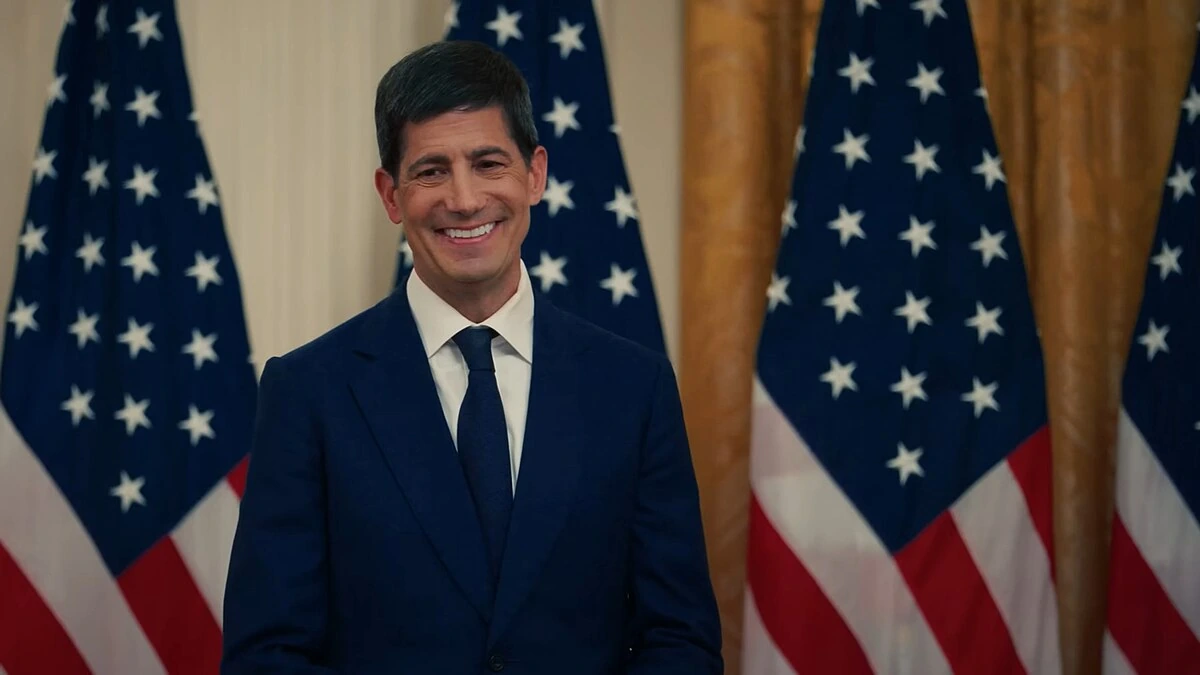
Federal Reserve Chair Kevin Warsh said Friday that inflation remains too high and that policymakers still have “work to do” unless underlying price pressures are clearly moving back toward the central bank’s 2% objective at sufficient speed. The message kept the possibility of another rate increase in play after the Fed held rates steady in July, even though Warsh did not commit to a specific move at the next meeting.
His Jackson Hole remarks were deliberately conditional. Warsh said he was committed to a policy discipline rather than a predetermined decision, but he also argued that price stability should be the Fed’s predominant focus right now and that short-term interest rates remain its main monetary-policy tool. That combination matters because three policymakers wanted a quarter-point hike at the July meeting, while Warsh and the majority chose to wait for more information.
Warsh puts the inflation test at the center of policy
Speaking at the Federal Reserve Bank of Kansas City’s annual economic policy symposium, Warsh used his Jackson Hole address to set out the principles he says should guide the central bank under his leadership. He called the 2% PCE inflation goal a “firm, fixed target” and said price stability does not happen automatically. His standard for judging the outlook was straightforward: underlying inflation must be moving toward the objective clearly and fast enough, or the Fed has “work to do.”
The latest official inflation data give that warning weight. The Bureau of Economic Analysis reported that the PCE price index was 3.7% higher in July than a year earlier, unchanged from June’s annual rate and still well above the Fed’s target. Core PCE, which excludes food and energy, rose 3.3% from a year earlier. Both the headline and core indexes increased 0.2% from June.
Warsh acknowledged that recent summer readings had come in better than expected, but he said they had not convinced him that the underlying trend had improved enough. He noted that progress in broad inflation measures over the past two years had been modest despite a large decline from the 2022 peaks. The question for policy, in his telling, is not simply whether inflation has fallen from its highs but whether it is continuing toward 2% at a pace that policymakers can trust.
He also pointed to the breadth of price increases. Over the past 12 months, 54% of the 199 individual goods and services components in the PCE basket recorded price increases above 3%, according to figures cited in the speech. Looking at the past six months on an annualized basis, the share was 49%. Those readings are below their post-pandemic extremes, but Warsh said they remain elevated compared with the two decades before the pandemic.
Inflation expectations provide a more reassuring signal. Warsh said medium-term expectations generally appear stable, including measures inferred from financial markets, but he warned that well-anchored expectations cannot be taken for granted. He also flagged the recent rise in commodity prices as something the Fed must watch when assessing whether inflation risks are shifting upward again.
July’s three hike dissents keep the tightening option relevant
The policy backdrop makes the speech more consequential than a general statement of inflation concern. On July 29, the Federal Open Market Committee voted 9 to 3 to keep the federal funds target range at 3.50% to 3.75%. Beth Hammack, Neel Kashkari and Lorie Logan dissented because they preferred to raise the range by a quarter percentage point, the largest bloc favoring tighter policy at that meeting.
Warsh voted with the majority to hold. The July minutes show that he and most of his colleagues preferred to wait for additional information, including possible developments in supply chains, investment flows and geopolitics, before deciding whether a change in policy was advisable. The minutes also recorded the group’s readiness to act as circumstances required, which is consistent with Warsh’s insistence Friday that the next decision should depend on the evolving evidence rather than on a promised path.
That is why the rate-hike risk remains alive without being an explicit forecast. Warsh rejected the idea that a central-bank chair should publish a mechanical reaction function or a preannounced path for interest rates in normal times. He argued that policymakers do not understand the economy precisely enough to reduce decisions to a simple rule and that excessive forward guidance can leave both markets and the Fed vulnerable when conditions change.
The chair was more definite about the instrument the Fed should use if policy needs to move. Short-term interest rates, he said, are the predominant tool for achieving the dual mandate. Unconventional measures may be appropriate in genuine crises, but in his view they should otherwise be used sparingly. That emphasis leaves the conventional rate lever at the center of any response if inflation fails his test.
A resilient economy gives the Fed less reason to rush toward easing
Warsh’s economic assessment also helps explain why he is placing such weight on inflation. He described the overall economy as having strengthened and said broad financial conditions were difficult to characterize as restrictive. Business capital spending on equipment and intangible assets has grown at roughly a 9% four-quarter pace, according to figures he cited, with more than half of this year’s increase likely tied to the buildout around artificial intelligence.
Corporate and credit conditions looked similarly firm in his account. Profits for S&P 500 companies have increased by more than 20% over the past year, while profit margins remain high compared with history. Credit spreads on corporate bonds and leveraged loans are near the low end of their historical ranges, issuance has been strong, and banks told the Fed in the July Senior Loan Officer Opinion Survey that standards for commercial and industrial loans were on the easier side of their historical range.
Household demand has also held up. Real consumer spending has risen by more than 2% over the past four quarters, while private domestic final purchases have increased at a pace of nearly 3% so far this calendar year. Warsh treated those measures as evidence that domestic demand remains healthy rather than as a picture of an economy being squeezed by tight financial conditions.
The labor market, meanwhile, does not appear to be forcing the Fed toward easier policy. Warsh cited a 4.1% unemployment rate that has changed little for a couple of years and said labor markets are consistent with full employment. He acknowledged areas of strain, including among recent graduates, but argued that people who want to work are generally holding or finding jobs.
That mix leaves inflation as the harder side of the mandate. A stable labor market and resilient spending do not guarantee another increase in rates, but they reduce the immediate pressure to cut solely to protect activity. Warsh’s speech instead set a high bar for declaring the inflation fight sufficiently advanced and made clear that the central bank is prepared to respond if price pressures stop improving.
The FOMC’s next scheduled policy meeting is September 15 and 16. Warsh gave no advance decision for that gathering, but the July dissents, the still-elevated inflation readings and his Jackson Hole standard mean both a continued hold and renewed tightening remain within the policy debate until the incoming data narrow the choice.
More News


Latest News
View all news- Gold Futures Retreat Toward $4,190 as U.S. Dollar Strengthens
- IonQ Agrees to Buy Cybersecurity Firm Elisity for Up to $1.3 Billion
- KKR, TotalEnergies to Add $1.2 Billion Solar Portfolio to U.S. Venture
- U.S. 30-Year Mortgage Rates Hover Near 7.55% as Housing Borrowing Costs Remain Elevated
- Wall Street Volatility Gauge Rises as Traders Assess Inflation and Earnings Risks
