New Zealand Petrol Prices Rise 6.4% in September as Diesel Jumps 7.8%
Both fuels rose for a second straight month, although prices remained below April's peak after a year of unusually volatile fuel costs.
Our editorial standards
MarketReview publishes clear, independently produced financial information using reliable sources and transparent editorial standards.
Read our Editorial Policy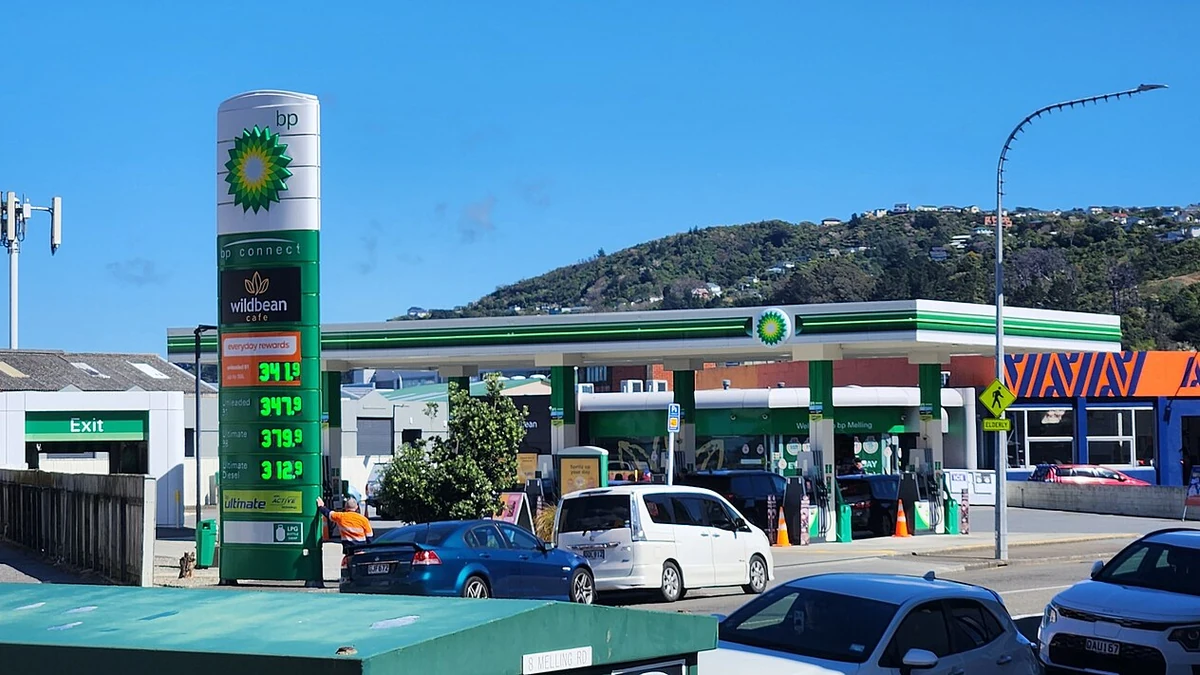
New Zealand petrol prices rose 6.4% in September from August, while diesel prices increased 7.8%, extending a renewed rise in transport fuel costs after a midyear retreat. Figures released by Stats NZ on October 16 put the annual increases at 24.3% for petrol and 55.8% for diesel.
It was the second consecutive monthly increase for both types of fuel. The rebound has been substantial, but September prices remained below April’s peak, according to Stats NZ. The latest figures therefore point to renewed pressure at the pump, not a return to the highest prices recorded this year.
In its September fuel-price update, Stats NZ traced the earlier surge to supply disruptions that began in late February. Prices rose sharply in March and April, fell through July, then moved higher in August and September. The reported percentages describe changes in national price indexes rather than a single price per litre paid by every driver.
Fuel prices rebound after three months of declines
August had already brought monthly increases of 2.0% for petrol and 8.6% for diesel. September’s advance followed an especially steep month for diesel, even though its latest monthly gain was slightly smaller than in August. Petrol moved in the other direction, with its rate of increase accelerating from 2.0% to 6.4%.
Taken together, the August and September increases amount to roughly 8.5% for petrol and 17.1% for diesel compared with July, after compounding the separate monthly changes. The two-month figures show how much of the earlier decline was reversed in a relatively short period. They are calculated from Stats NZ’s rounded monthly rates, so they are best read as approximate changes.
The movement comes after much larger increases at the start of the supply shock. Petrol prices jumped 18.6% in March, and diesel prices rose 42.6% in that month alone. Both fuels climbed further in April before the subsequent decline. September’s annual increases consequently reflect a year of pronounced swings rather than just the past two months.
Diesel’s 55.8% annual rise was more than twice petrol’s 24.3% increase, underscoring the different pressures across fuel types. Both percentages compare September 2026 with September 2025 for the same fuel. They do not measure the price difference between diesel and petrol, which varies with the respective retail prices and tax treatment.
Diesel pressure reaches beyond motorists
Diesel is widely used by commercial vehicles and road freight operators, so sustained price increases can affect business costs as well as private transport spending. Operators unable to recover higher fuel bills immediately may face pressure on margins. The September price indexes establish what happened to fuel prices, but they do not show whether transport firms passed those costs on to customers.
Earlier official data show why the distinction matters. Petrol prices increased 20.1% in the June quarter and diesel prices rose 47.7%, Stats NZ reported. Business input prices climbed 2.9% over the same quarter, with higher diesel and aviation fuel costs among the pressures affecting road and air transport. Economic activity in the transport, postal and warehousing industry fell 1.7%, driven by lower road transport activity.
The effect on household inflation is different from the effect on businesses. In the year to June, petrol accounted for 23.5% of the increase in New Zealand’s 4.1% annual consumer price index, while the broader category of other vehicle fuels and lubricants accounted for 7.7%. These figures are contributions to inflation, not changes in the prices of those products.
Stats NZ has noted that households spend about eight times more on petrol than on diesel. Petrol can therefore exert a larger direct influence on the consumer price index even in a period when diesel is increasing faster in percentage terms. Businesses that buy diesel in large volumes face a different exposure, which does not appear in household inflation with the same weight.
The September selected-price-index release is not itself a fresh reading of headline inflation. It tracks monthly price movements for particular goods and services, including transport fuels. A fuller picture of the impact on consumer prices will come with the September-quarter CPI figures, scheduled for October 22.
Importer costs stay volatile despite functioning supply chains
The Ministry of Business, Innovation and Employment has documented how the 2026 Middle East conflict disrupted fuel pricing. Its analysis of fuel-import costs and margins found that swings were larger and more uneven than during several earlier global shocks, with diesel affected more heavily than petrol. International fuel prices initially rose faster than prices at New Zealand pumps, before retail prices adjusted more slowly as international costs receded.
On September 23, MBIE revised its weekly monitoring methodology to capture additional risk premiums faced by fuel importers. Applied to data from February 27 through September 23, the change raised estimated importer costs by an average of 10 New Zealand cents per litre for diesel and 3 cents for petrol. Those are revisions to the cost estimates used in the monitoring series, not extra charges imposed on drivers or additions to Stats NZ’s September price increases.
The revised figures also changed estimates of importer margins, which MBIE calculates after taking account of retail prices, taxes and levies, and import costs. MBIE found that margins initially fell as international costs rose quickly, then recovered when retail prices declined more slowly than importer costs. That changing relationship is one reason retail-price movements should not be treated as a direct measure of importer profitability.
Higher prices do not necessarily indicate a physical shortage. In a late-September update, MBIE reported that, as of September 27, New Zealand held 28.3 days of petrol cover and 28.7 days of diesel cover within the country. It said the fuel supply chain was operating smoothly and shipments were continuing to arrive as expected. Those figures describe conditions at the end of September, not a guarantee about future supply or prices.
Separate MBIE monitoring placed the national average advertised price for regular 91 petrol at NZ$3.38 per litre for the week ended September 27. The measure is a weekly average of posted station prices, before any customer discounts, rather than the monthly Stats NZ index or a price that every motorist paid. It provides a reference point for the cost environment surrounding the September rise.
The next scheduled checkpoints are Stats NZ’s September-quarter CPI release on October 22 and its October selected price indexes on November 17. Together, they will show how much of the fuel-price pressure coincided with broader inflation in the third quarter and whether the monthly rise in petrol and diesel continued into October.
More News


Latest News
View all news- Union Pacific Third-Quarter Profit Rises 16% to $2.1 Billion as Freight Volumes Grow
- Nasdaq Q3 Revenue Jumps 13% as Annual Recurring Revenue Reaches $3.4 Billion
- Census Bureau Releases New Business Conditions Data Covering U.S. Employers
- Blackstone Reports Third-Quarter Earnings With Assets Under Management Near $1.4 Trillion
- BEA Expands State-Level R&D Economic Statistics With New 2024 Estimates