
U.S. Proposes Zero Dumping Margins for Two South Korean Power Transformer Manufacturers
Hyundai and Iljin received preliminary 0.00% dumping margins, while LS Electric and Hyosung kept 4.32% rates without individual examination.
Our editorial standards
MarketReview publishes clear, independently produced financial information using reliable sources and transparent editorial standards.
Read our Editorial Policy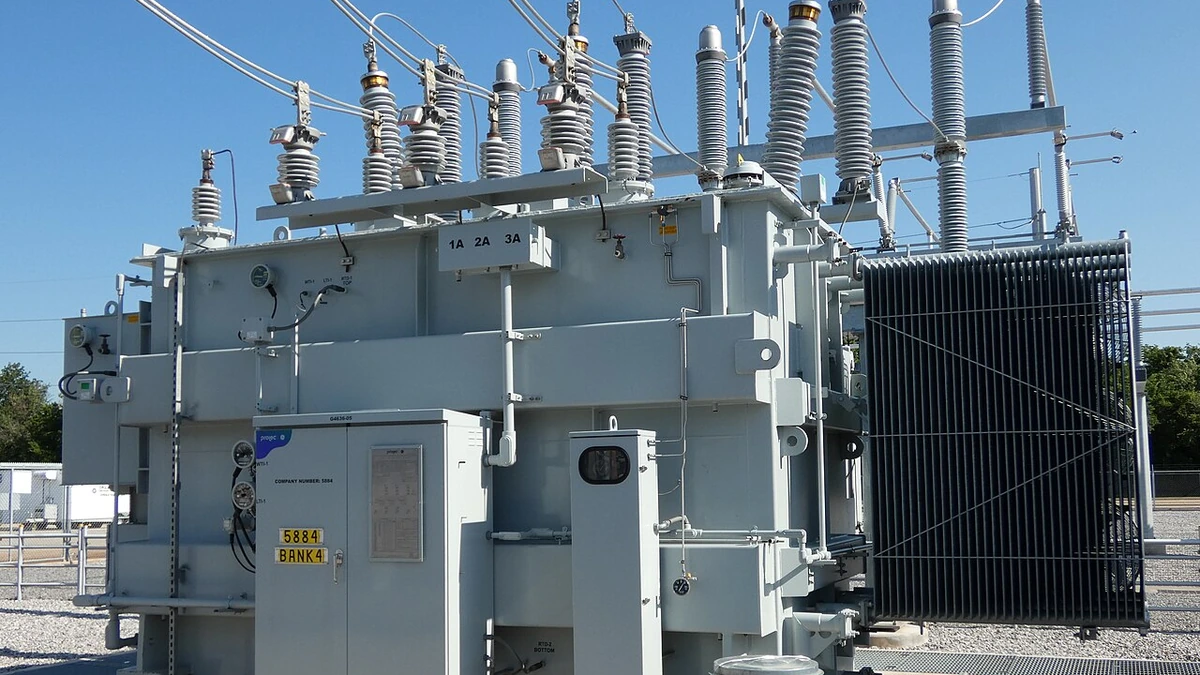
The U.S. Department of Commerce has proposed zero antidumping margins for HD Hyundai Electric Co., Ltd. and Iljin Electric Co., Ltd. after preliminarily finding that the two South Korean manufacturers did not sell covered large power transformers in the United States below normal value during the year ended July 31, 2025.
Two other companies covered by the review, LS Electric Co., Ltd. and Hyosung Heavy Industries Corporation, received proposed margins of 4.32% each. Unlike Hyundai and Iljin, those manufacturers were not selected for individual examination. The difference in how the four rates were determined is central to understanding the finding.
The Commerce Department notice, published November 2, covers imports during the period from August 1, 2024, through July 31, 2025. It is part of an existing antidumping duty order on South Korean large power transformers, not a new investigation. The proposed rates do not immediately change the duties collected on imports.
Commerce finds zero margins for both examined exporters
The department chose Hyundai and Iljin as the two mandatory respondents on January 29, 2026. That designation means Commerce examined their sales and cost information individually, rather than assigning them a rate derived from the results for other companies. Both received estimated weighted-average dumping margins of 0.00% in the preliminary findings.
In an antidumping review, the central question is whether covered merchandise was sold in the U.S. market at less than the normal value calculated under trade law. The comparison is not simply between a Korean exporter’s price and the price charged by an American competitor. Commerce used constructed export prices and its normal-value methodology to assess the reviewed sales.
The result applies to a defined set of industrial equipment. The underlying order covers large liquid-dielectric power transformers with a top power-handling capacity of at least 60 megavolt-amperes, including certain incomplete units. Smaller distribution transformers and other electrical products do not fall under this review merely because they are made in South Korea.
Commerce opened this annual review in September 2025 after receiving timely requests. Its schedule was subsequently affected by the 2025 federal government shutdown and delays in processing filings, followed by an extension of the preliminary deadline to October 30, 2026. The notice was signed on October 28 before its November 2 publication.
The 4.32% rates reflect a different review method
The figures for LS Electric and Hyosung are not separate preliminary calculations showing that either company dumped transformers during the 2024-25 review period. Commerce did not select those two firms for individual examination. Instead, it had to determine what rate to apply to companies included in the review but not examined in detail.
Its normal method for non-selected exporters draws on margins calculated for the individually examined companies, but excludes zero and very small margins, along with certain other results. With both selected respondents at zero, there was no qualifying positive margin to use in the ordinary weighted-average calculation.
Commerce therefore proposed retaining the rates already in effect for LS Electric and Hyosung, at 4.32% apiece. The distinction matters: the agency calculated zero for the two companies whose sales it examined, while carrying forward existing rates for the other two. Treating all four percentages as equivalent findings about their 2024-25 pricing would overstate what the review establishes.
The proposed margins also match the final rates from the preceding administrative review. In final results published August 14, 2026, covering August 2023 through July 2024, Commerce assigned Hyundai and Iljin zero margins and LS Electric and Hyosung 4.32% each. The newly announced figures address a later year, and the latest zero margins remain subject to further review before becoming final.
A separate 22.00% all-others cash-deposit rate established in the original investigation also remains part of the underlying order. The November proposal does not replace that rate for exporters outside the relevant company-specific arrangements. Other exporters can therefore face different deposit rates depending on their own histories under the order.
Existing duties stay in place until final results
A preliminary administrative review does not immediately alter customs collections. Commerce uses final review results to establish the antidumping duties owed on appropriate entries from the period under examination and to set prospective cash-deposit rates for covered shipments. Any new deposit rates take effect when the final results are published, not when the preliminary findings appear.
The underlying 2012 antidumping order is still in force. In a separate five-year review, the U.S. International Trade Commission concluded in August 2024 that revoking it would likely lead to continued or renewed injury to the domestic industry. That sector-wide decision addresses whether the order should remain, whereas Commerce’s current administrative review addresses particular exporters and a particular period of sales.
Commerce has said it intends to verify information used in the preliminary calculations before issuing final results. Interested parties can submit written arguments within seven days after the last verification report, followed by rebuttal briefs within five days of the case-brief deadline. Anyone seeking a hearing must request one within 30 days after publication of the November 2 notice.
If Hyundai’s and Iljin’s final weighted-average margins remain zero or below the 0.50% de minimis threshold, Commerce says it will instruct U.S. Customs and Border Protection to finalize the appropriate reviewed customs entries without assessing antidumping duties. There are qualifications for certain shipments, including cases where a producer did not know the goods were destined for the United States and no applicable intermediary rate exists.
The final findings will also control how the reviewed entries associated with LS Electric and Hyosung are assessed. For future imports, the cash-deposit requirements applicable to the four reviewed companies will be based on their final rates, while other companies remain subject to the rules and rates applicable to them under the existing order. An individual zero margin does not revoke the order itself.
After the final results are published, Commerce plans to issue duty-assessment instructions to Customs and Border Protection no earlier than 35 days later. Court challenges can delay liquidation of relevant entries. The immediate procedural steps are verification, any briefs or hearing requests, and then a final Commerce determination that will settle the rates for this review period.
More News
Latest News
View all news- Westpac Reports A$6.8 Billion Annual Profit, Declares 77-Cent Final Dividend
- UK Launches £700 Million Investment Programme to Unlock Up to 10 Strategic Industrial Sites
- SEC Opens Consultation on $100 Billion Alternative Compliance Cap for Security-Based Swap Dealers
- OCC and FDIC’s Revised Standards for Unsafe Banking Practices Take Effect
- Marvell to Acquire Lumentum in $115 Billion All-Stock Deal to Expand AI Connectivity Business
