
Victoria Reports More Than 100,000 Potholes Repaired in A$1.4 Billion Road Drive
The state says crews have passed 100,000 pothole repairs since July 1 and are targeting more than 500,000 by June 2027 as wider roadworks continue.
Our editorial standards
MarketReview publishes clear, independently produced financial information using reliable sources and transparent editorial standards.
Read our Editorial Policy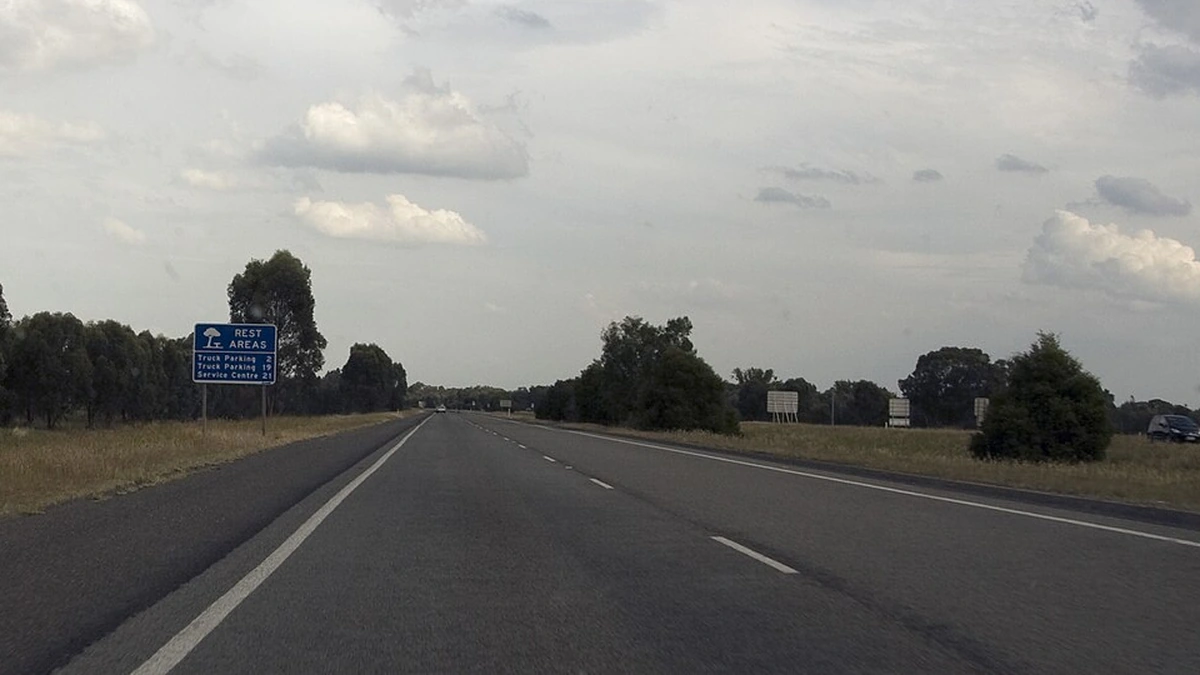
Victoria says road crews have repaired more than 100,000 potholes since July 1, an early milestone in an expanded maintenance campaign that the state government now values at A$1.4 billion. The figure, announced Saturday, October 10, measures potholes filled, not 100,000 separate road-reconstruction projects.
The government is aiming to repair more than 500,000 potholes by the end of June 2027. It is also planning substantial work on damaged road surfaces, saying crews are repairing 6.8 million square metres of road across more than 1,000 projects. Those area and project figures describe a broader programme of work and should not be treated as completed pothole repairs.
The October 10 announcement from the Victorian Premier’s office identifies the Western, Glenelg, Princes and Calder highways and the Hume Freeway among regional routes being targeted. In Melbourne, it names the West Gate Freeway, Princes Highway, Ballarto Road and Mornington Peninsula Freeway. The announcement does not provide a road-by-road breakdown of the 100,000 repairs already reported.
Roads and Road Safety Minister Paul Hamer said the campaign was intended to double both pothole repairs and the length of road receiving more extensive treatment. The completed pothole tally is a government-reported operational count; the statement does not include an independent audit or figures showing how many of the newly treated sections will need further work.
Extra funding lifted the pothole target in August
The latest announcement follows two spending decisions made earlier in 2026. In April, Victoria announced A$1.04 billion for rebuilding, repairing and resurfacing roads in the 2026–27 budget. The state budget summary describes more than A$1 billion in annual spending on pothole repairs and resurfacing, including an additional A$560 million approved at that stage.
On August 30, the Premier’s office announced a further A$352 million to accelerate pothole work. That announcement lifted the stated repair ambition from 250,000 to 500,000 potholes, with funding intended to reach crews immediately for the repair season. The new October target is described as more than 500,000 repairs by June 2027.
The April allocation and August increase add up to approximately A$1.39 billion, broadly consistent with the rounded A$1.4 billion figure cited in October. That is a comparison of the amounts announced, not a detailed reconciliation of expenditure: the latest release provides no itemised account of the enlarged total or how much has been paid out so far.
The August funding announcement also set out a budget trade-off. It cited A$112 million in savings to forward estimates from deferring three level-crossing removals by one year, alongside other savings measures, as part of the government’s explanation of how it would fund faster repairs. The statement did not provide a project-level allocation for the new pothole funding.
Regional roads are a central part of the policy. The April announcement said 70% of the then A$1.04 billion maintenance allocation would go to regional Victoria, where long stretches of arterial roads carry freight and connect smaller communities. The October release does not specify what share of the expanded A$1.4 billion commitment is allocated to regional works, so that earlier percentage cannot automatically be applied to the larger amount.
Road repairs cover more than filling holes
The government’s 100,000 count is the easiest measure to report, but a pothole patch is only one form of maintenance. Victoria’s Department of Transport and Planning distinguishes routine maintenance, such as filling holes and clearing drains, from resurfacing and rehabilitation. Resurfacing treats a deteriorating surface when the underlying pavement remains serviceable; rehabilitation is more extensive and involves work on the pavement beneath the surface.
That distinction matters for the 6.8 million square metres of roadwork identified in the October announcement. The area figure relates to planned or ongoing broader repairs, not to the size of the holes patched since July. Nor does the release break down that area into resurfacing, pavement rehabilitation or other treatments. A large number of small patches and a smaller number of longer road rebuilds measure different kinds of output.
Victoria’s maintenance effort also covers work away from driving lanes. The state says crews are cutting roadside grass, removing dumped rubbish, cleaning graffiti, inspecting thousands of bridges and maintaining hundreds of traffic lights and electronic signs. These activities sit within road-network upkeep, but they should not be counted as additional potholes repaired.
The Department of Transport and Planning says it manages about 23,000 kilometres of roads across Victoria, including most freeways and arterial roads. Around 150,000 kilometres of other roads are managed by local councils and other authorities. That division matters when judging the programme: a state announcement about major routes does not mean the same agency is responsible for every residential street or local road.
A current example of the more intensive work is on the Princes Highway at Panmure in south-west Victoria. Transport Victoria lists rehabilitation of a 980-metre stretch starting October 5, with single-lane closures and reduced speed limits during work expected to last up to eight weeks. The department identifies that as a specific road project, although it does not say in its public project description whether the August funding increase paid for it.
Dry-weather works will test the delivery schedule
The repair programme enters its busier construction period as Victoria moves into warmer weather. Transport Victoria says major rebuilding and rehabilitation typically take place in the drier months from September to May, while inspections, pothole patching and emergency fixes continue year-round. Heavy rain, conflicting construction works, urgent damage and the availability of resources can all alter the planned maintenance schedule.
The August funding announcement anticipated that most potholes would be addressed during the second half of 2026 and into January, when conditions are drier. The October statement says crews are on track for the larger June 2027 target, but it does not publish a monthly schedule, the remaining backlog, or a breakdown of repairs by municipality. Those missing details limit what can be concluded about progress on particular local roads.
The government previously reported 187,000 potholes repaired as part of the earlier maintenance effort in an April 2026 announcement. That was a different reporting period from the 100,000-plus fixes counted since July 1, so the two totals are not directly comparable as measures of crew productivity. They do show why the reporting window matters when assessing a headline repair count.
The next stated deadline is the end of June 2027, when the government expects to have exceeded 500,000 pothole repairs. The eventual result will need to be assessed alongside delivery of the wider resurfacing and rehabilitation programme, since the October figure alone says little about the durability of repairs or the condition of the road network after the works.
More News

Latest News
View all news- UK Defence Ministry and QinetiQ Launch Project Safari to Expand Smaller Firms’ Access to Military Testing
- Phoenix Education Names Michael Cochran Interim CFO as Finance Leadership Change Takes Effect
- India Outlines Over ₹13,000 Crore in Projects for October 11
- EU Urges U.S. to Reverse Sanctions on International Criminal Court, Signals Readiness to Protect Its Operations
- USDA Releases October Crop Supply and Demand Estimates for Global Grain Markets
