Ken Stephens

MarketReview author profile

Ken Stephens

Editor-in-Chief

Active

Ken Stephens has spent decades following financial markets from both sides of the screen: as an individual investor and through work connected with the investment-banking industry. That breadth informs the way he approaches MarketReview’s coverage of investing, trading and the institutions that influence asset prices.

He is less interested in repeating the market’s conventional wisdom than in examining what supports it. When a familiar explanation is offered for a rally, a sell-off or a shift in policy, Ken looks for the assumptions underneath it, the evidence that confirms or weakens it and the risks that may be overlooked. His writing often connects the choices facing individual investors with the larger forces at work in financial institutions and markets.

As Editor-in-Chief, Ken sets editorial priorities and helps shape how MarketReview explains complex financial subjects. He also contributes directly to articles on investment strategy, market analysis and trading, with an emphasis on clear reasoning, honest uncertainty and conclusions that can withstand closer scrutiny.

Areas of coverage

  • Investing
  • Trading
  • Financial markets
  • Market analysis
  • Federal Reserve
  • Commodities
  • ETFs

Published work

Latest work by Ken Stephens

News, analysis and evergreen financial guides credited to this author.

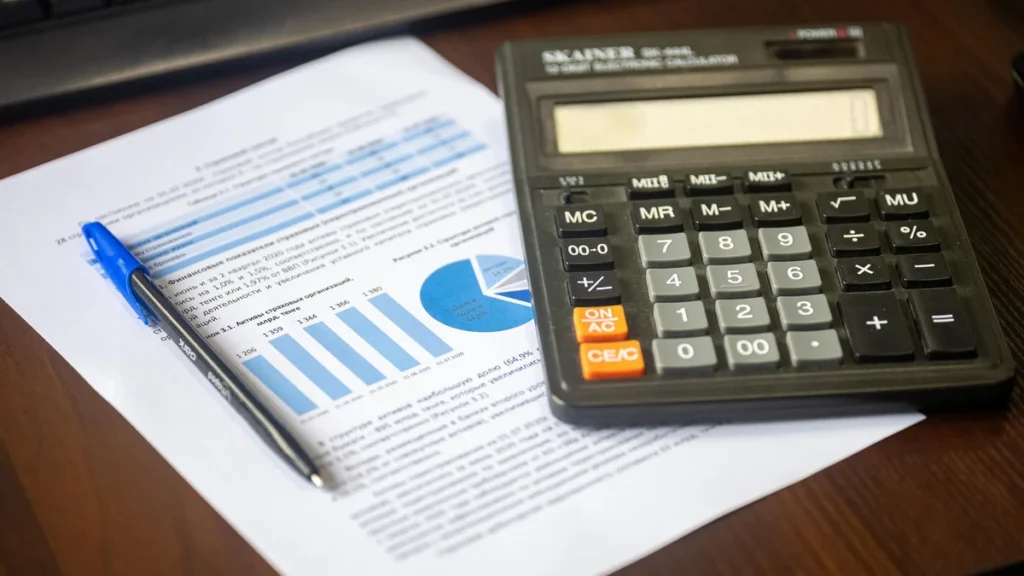
Hands reviewing financial documents with a calculator and laptop on a desk.
Guide

Managing Risk with Investments

Investment risk cannot be removed, but it can be managed by matching portfolio risk to your goals, time horizon and liquidity needs, then controlling concentration, leverage and portfolio drift.

Read more
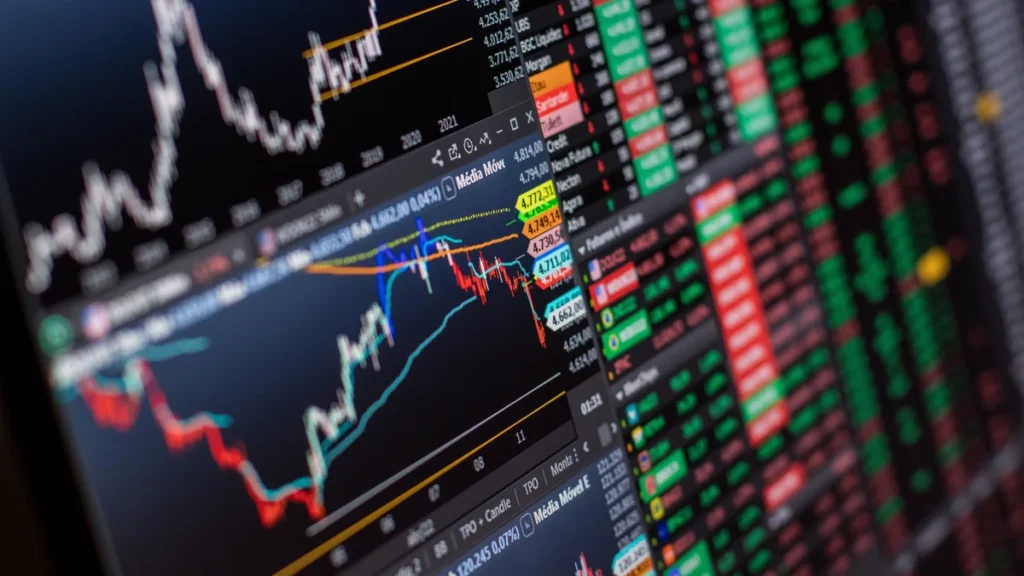
Close-up of stock market charts and trading data displayed on a monitor.
Guide

Investing with Technical Data

Technical data can help investors understand price behavior, momentum and changing market conditions, but its signals need to be matched to a clear timeframe and investment purpose.

Read more
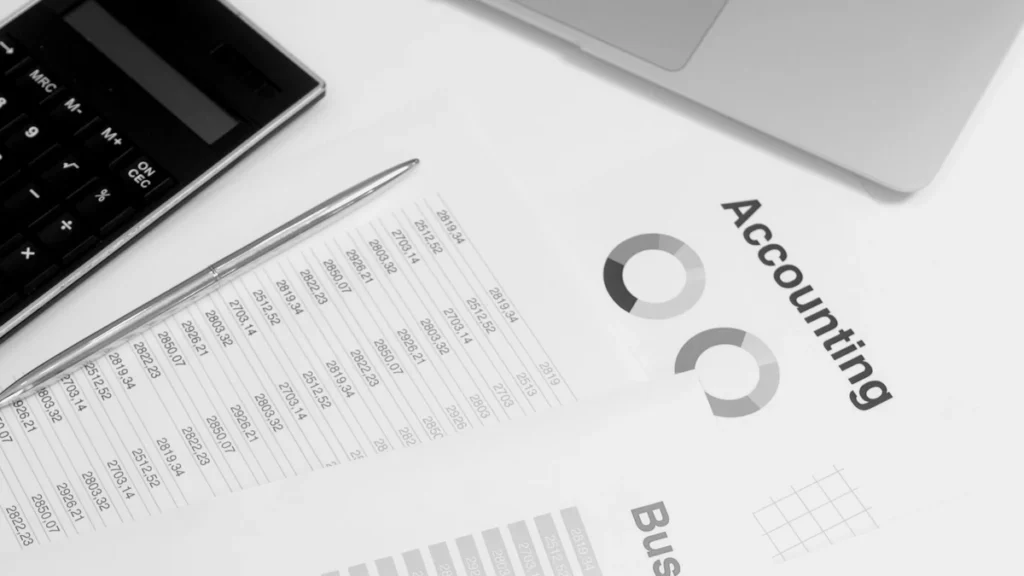
A laptop, calculator and printed financial statements arranged on a desk.
Guide

Investing with Fundamental Data

Fundamental data helps investors assess a company’s economics, financial strength and valuation, but it works best when business-level evidence is read alongside industry conditions, the broader economy and the market price.

Read more
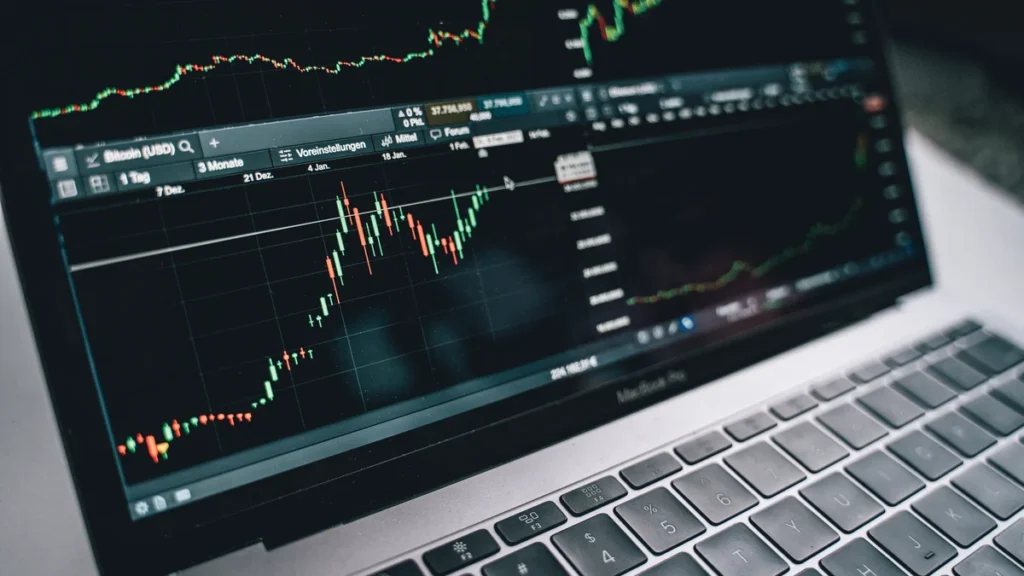
A laptop displaying financial-market price charts.
Guide

Investing and Speculation

Investing and speculation both involve uncertainty, but the difference lies in what drives the expected return, how much depends on price movement, and how risk is managed.

Read more
A person reviewing financial charts beside a monthly calendar on a desk.
Guide

Time Horizons with Investing

An investment time horizon should be tied to a financial goal and expected cash needs, helping determine how much volatility, liquidity risk and portfolio change an investor can reasonably accept.

Read more
A person writing in a notebook beside a piggy bank and scattered coins on a desk.
Guide

The Goal of Investing

Investing works best when returns are tied to a specific financial goal, time horizon and acceptable level of risk rather than pursued as an end in themselves.

Read more