
U.S. Leading Economic Index Falls 0.3% in October as Housing Permits Weaken
Building permits were the biggest drag on the October reading, while the index’s six-month change remained slightly positive and current-activity measures held steady.
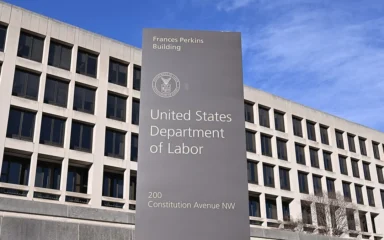

New unemployment filings barely changed, but continuing claims rose sharply even as the insured unemployment rate held at 1.1%.
Adjusted earnings per share increased 11.7% as revenue rose 5.8%, showing a smaller gain once the tariff-refund benefit was excluded.
The sanctions target the Comancheros, the ’Ndrangheta, 14 individuals and four Canadian businesses, with a limited wind-down period for the companies.
New orders hovered near zero even as shipments and hiring improved, while more manufacturers reported higher input and selling prices.
Energy was cited by 33% of trading firms considering December price rises, up from 24% in August, though only 15% expected to increase prices.
Energy products drove the annual increase in factory-gate prices, while cheaper metal ores pulled raw material costs lower from September.
Geneva generated 60.6% of the industry's value added, while metals and fuels accounted for nearly three-quarters of the sector's total.
Public spending and recovering industrial demand should support output, but higher borrowing costs and underused factories continue to discourage corporate expansion.
Listed shares registered with Euronext Securities Oslo rebounded 9.3% in the third quarter, although investors were net sellers and valuations remained below March levels.