S&P Global’s final U.S. manufacturing PMI eased to 54.9 in October, but factory selling price inflation climbed to its fastest pace since 2022, signaling persistent cost pressure even as growth cooled.
Food, non-food and online retailers all recorded lower inflation-adjusted sales, adding to evidence of fragile household demand.
I bonds issued through April 2027 carry a 1.40% fixed rate, while the inflation-linked portion will reset after the first six months.
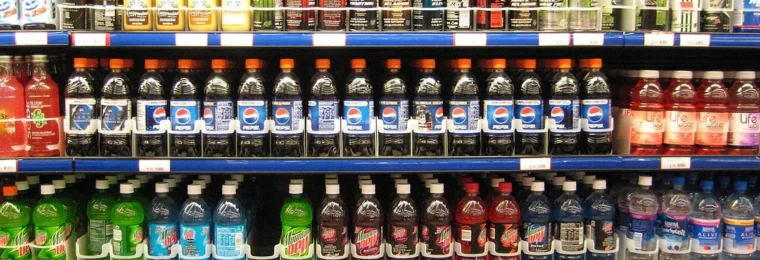
The Nov. 1 rule blocks SNAP payments for soda, diet soda and certain carbonated energy drinks, while leaving benefit amounts and other food purchases unchanged.
New TAIPA rates take effect November 1, with overall increases of 2.8% for private passenger auto and 4.9% for commercial vehicles.
A new Oklahoma law changes licensing fees, financial safeguards and oversight for money transmitters, with added requirements for payroll services.
Enrollment on the federal Marketplace runs through January 15, but consumers must choose a plan by December 15 for coverage to start January 1.
For disputes entering open negotiation on or after November 1, a 50-line-item cap comes with broader grouping options and a shorter cooling-off period for batched cases.
The November 1 changes raise recommended criminal fine ranges while lifting fraud-loss thresholds, producing different effects on sentencing calculations.
Semiconductor exports nearly tripled, while imports rose 36% and South Korea recorded a $42.5 billion trade surplus.