Build-A-Bear Cuts 2026 Outlook as Q2 Revenue Falls 7%
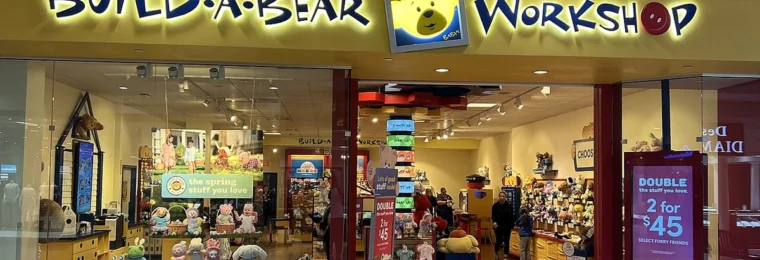
The retailer lowered full-year revenue and pre-tax income guidance after second-quarter sales and margins weakened, while maintaining plans for at least 50 net new experience locations.

The retailer lowered full-year revenue and pre-tax income guidance after second-quarter sales and margins weakened, while maintaining plans for at least 50 net new experience locations.

The Bureau of Labor Statistics projects U.S. employment growth will slow sharply over the next decade, with healthcare carrying much of the gain and artificial intelligence reshaping demand across sectors.
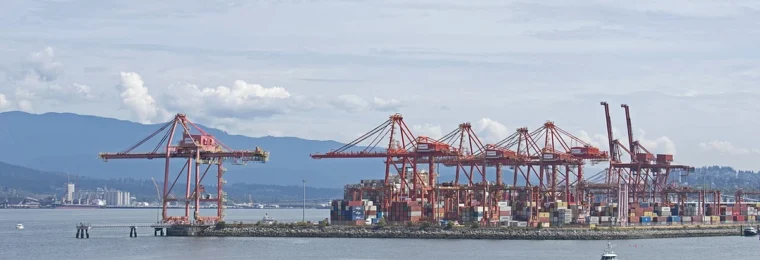
Energy-led goods exports pushed Canada’s merchandise balance to a C$12.2 billion surplus, helping produce the largest current-account surplus since late 2005.

INSEE said French factory-gate prices accelerated in July, led by a sharp rebound in refined petroleum products, while export and import price pressures also strengthened.

U.S. commercial crude inventories were nearly unchanged last week, while gasoline and distillate stocks posted sizable draws that left both fuel categories well below seasonal norms.

U.S. economic growth remained at a 1.5% annual rate in the second quarter, while corporate profits surged and a measure of underlying private demand was revised higher.

Core PCE inflation held at 3.3% in July while inflation-adjusted consumer spending was nearly flat, even as household income and the saving rate increased.
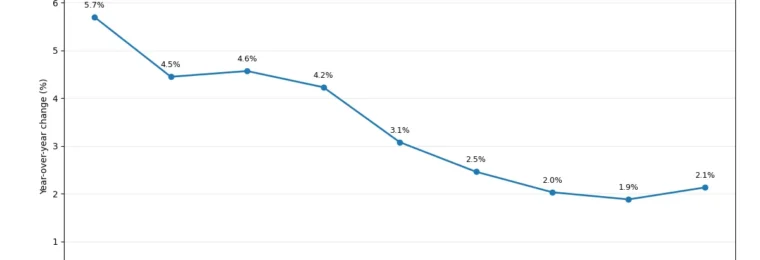
FHFA’s purchase-only index rose 0.3% in the second quarter, but June prices were flat and regional performance split sharply between stronger Midwest and Northeast markets and weaker parts of the West.
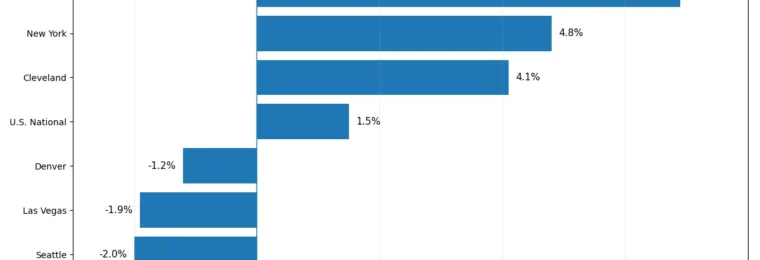
National home prices rose faster than in May, but the gain remained below inflation and regional trends ranged from a 6.9% rise in Chicago to a 2.0% decline in Seattle.
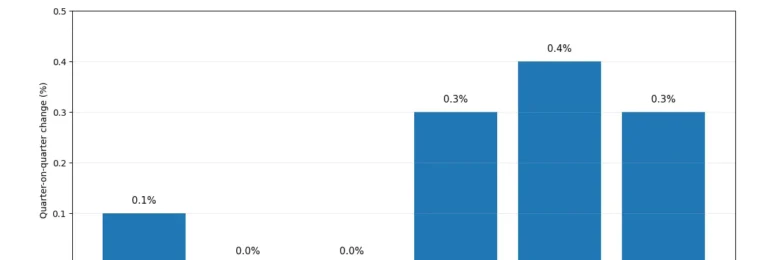
Germany’s economy expanded 0.3% in the second quarter, one-tenth of a percentage point more than first estimated, as stronger goods exports offset weak investment and subdued consumption.